Abbazia SS. Pietro e Andrea
Discover
Abbazia SS. Pietro e Andrea
Italy

Welcome to Novalesa Abbey, one of Italy's oldest Benedictine monasteries, nestled in the beautiful Val di Susa since 726 AD. We hope you enjoy discovering our rich history, faith and community.

About
We are pleased to welcome you to the Abbey of Novalesa.
We invite you to the Abbey to share in the prayer and work that have been at the heart of our life since 726, among the Alps of the Susa Valley.
History
The founding act of the Abbey of Novalesa dates to January 30th, in the year of our Lord 726. The monastery is dedicated to Saints Peter and Andrew, at a time when the Church of the East and West were not yet separated. The monks of Novalesa followed a “regula mixta” (of St. Columbanus and St. Benedict). It was from Novalesa, where he was abbot from 817, that Benedict of Aniane began the work of unifying the monasteries of the empire by imposing the Benedictine rule at the request of Louis the Pious. This makes Novalesa the driving center at the beginning of the Benedictine era that would mark the Middle Ages. Under Eldrad, who was abbot of Novalesa from 820 to 845, the community experienced its greatest period of spiritual flourishing. In 906, the monks fled to Turin to escape Saracen raids, settling in what is now the Sanctuary of the Consolata.
The surviving monks later founded the monastery of Breme, from which, in the 11th century, some monks returned to repopulate the abbey. The Benedictines were replaced by the Cistercians from 1646 to 1798, when they were expelled by the provisional Piedmontese government. Napoleon entrusted the monastery of Novalesa to the monks of the Trappist Abbey of Tamié to care for the hospice of Mont Cenis.
After the fall of Napoleon, the monastery was repopulated by some Benedictine monks who joined the Cassinese Congregation of Italy in 1821. The peace did not last long, because with the suppression laws of May 29, 1855, enacted by the Piedmontese government, the monastery was sold at auction and transformed into a hotel for spa treatments. In 1972, the complex was purchased by the Province of Turin and in 1973 entrusted to the care of the Subiaco Benedictine monks.
The history of Novalesa is not only long, but also rich in changes and adaptations. In the monastery of Novalesa, Cassinese and Subiaco Benedictines, Cistercians, and Trappists have succeeded one another. It has been a monastic laboratory of continuous adaptation and reconsideration in the light of fidelity to the Gospel and to history, with its constraints and inspirations. The past can illuminate the present, giving the courage to undertake changes and adaptations for a monastic life that is both faithful and free. After all, monasteries are always a work in progress, not only in a material sense, but above all in a spiritual one.
Events
No items found.
Stay
The welcoming of guests and pilgrims is an integral part of monastic life and is one of the essential Gospel values. All guests are received with charity and respect, giving each person the opportunity to experience a time of prayer, deepening of faith, and reflection on their own journey of growth in humanity.
Guests share in the community’s prayer and meals and may request accompaniment by a brother.
For information and contacts:
foresteria@abbazianovalesa.org
Pray
In the tradition of Benedictine monastic life, our day is marked and guided by prayer and work.
“Idleness is the enemy of the soul. Therefore, the brothers should be occupied at certain times with manual labor, and at other hours, with Lectio Divina.” (Rule of St. Benedict)
Here are the most important moments of prayer that we share with our guests:
4:00 Vigils | 7:00 Lauds | 7:45 Eucharist (one day a week at 18:30; usually not on Saturday, and on Sunday at 10:00) | 12:45 Sext | 14:45 None (occasionally personal) | 18:30 Vespers | 20:30 Compline (on the eve of a feast, Vigils are celebrated; on Saturday, Vigils at 21:00)
Worship
More places in
Italy

Monastero Ss. Crocifisso e S. Maria
Suore Loretane – Bergamo
Abbazia Benedettina "Mater Ecclesiæ"
Monastero Benedettino di San Clemente
Monastero Mater Ecclesiae
Suore Loretane – Pessano
Monastero di Santa Maria degli Angeli
Monastero S. Cipriano
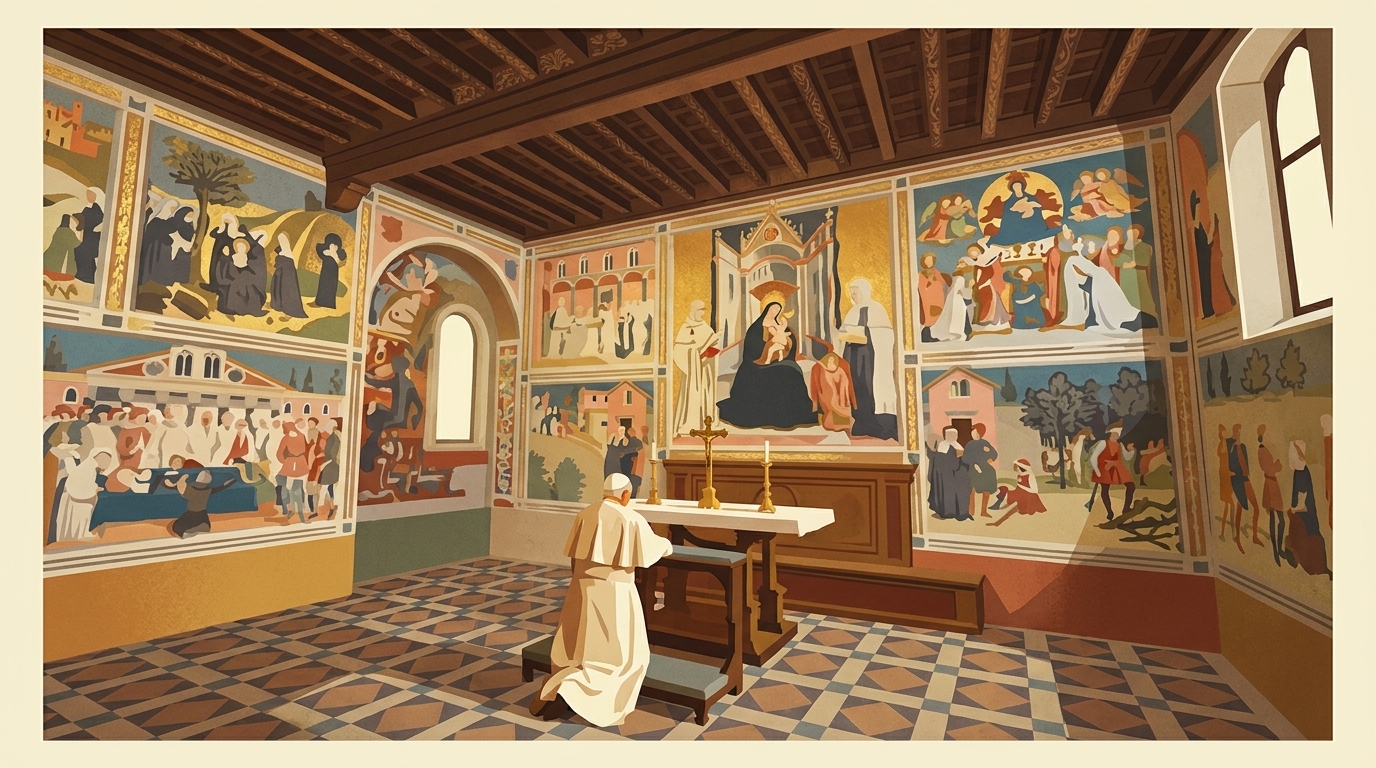
Monastero delle Oblate di santa Francesca Romana di Tor de' Specchi
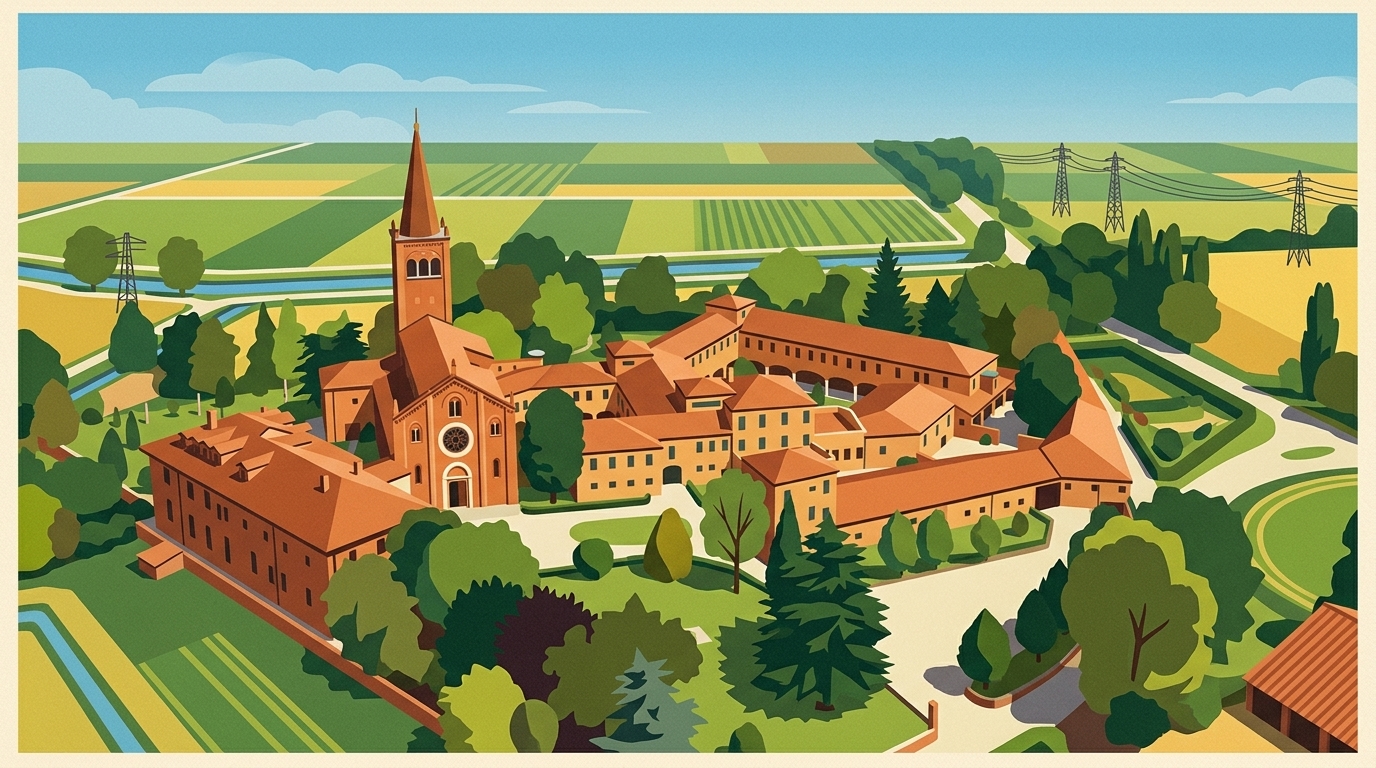
Monastero Benedettine dei Ss. Pietro e Paolo in Viboldone
Monastero Benedettino “Santa Margherita”

Monastero S. Giovanni Battista
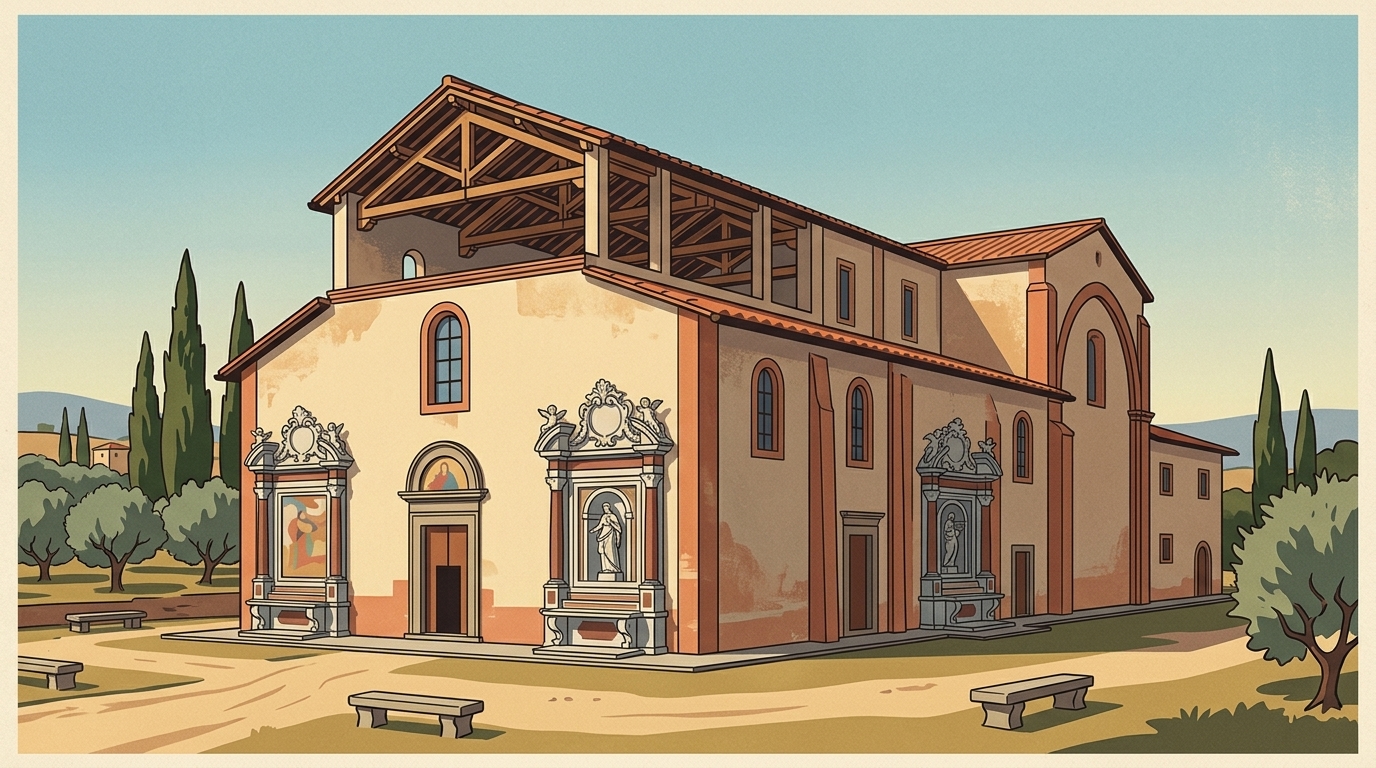
Monastero di Santa Maria Della Marca
Monastero Benedettino Regina Pacis

Abbatia Sancta Maria de Rosano
Monastero San Luca
Monastero delle benedettine di San Ruggero in Barletta
Abbazia San Giovanni Battista a Monte Mario
Monastero delle Benedettine di S. Cecilia
Monastero delle Benedettine di S. Anna
Abbazia - Monastero Santa Scolastica
Abtei Vom Heiligen Kreuz
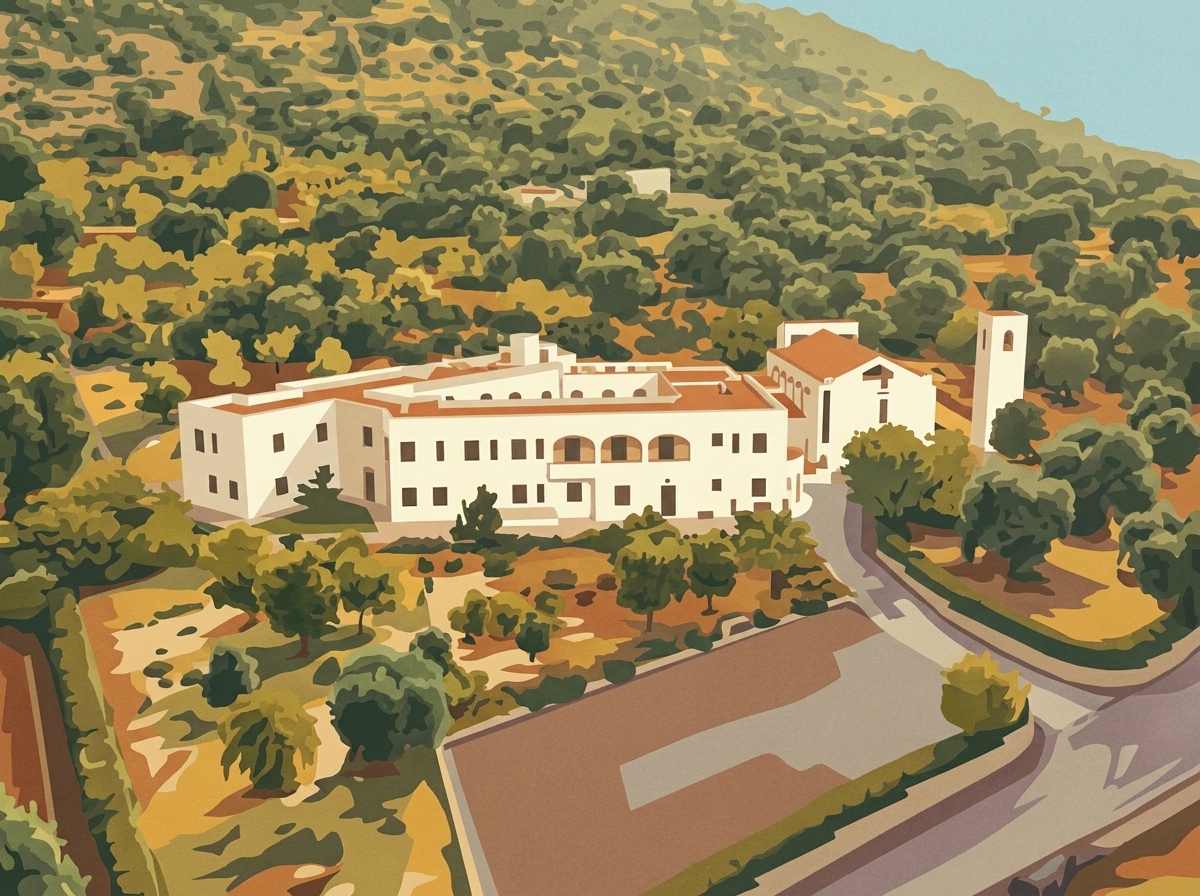
Monastero di San Pietro
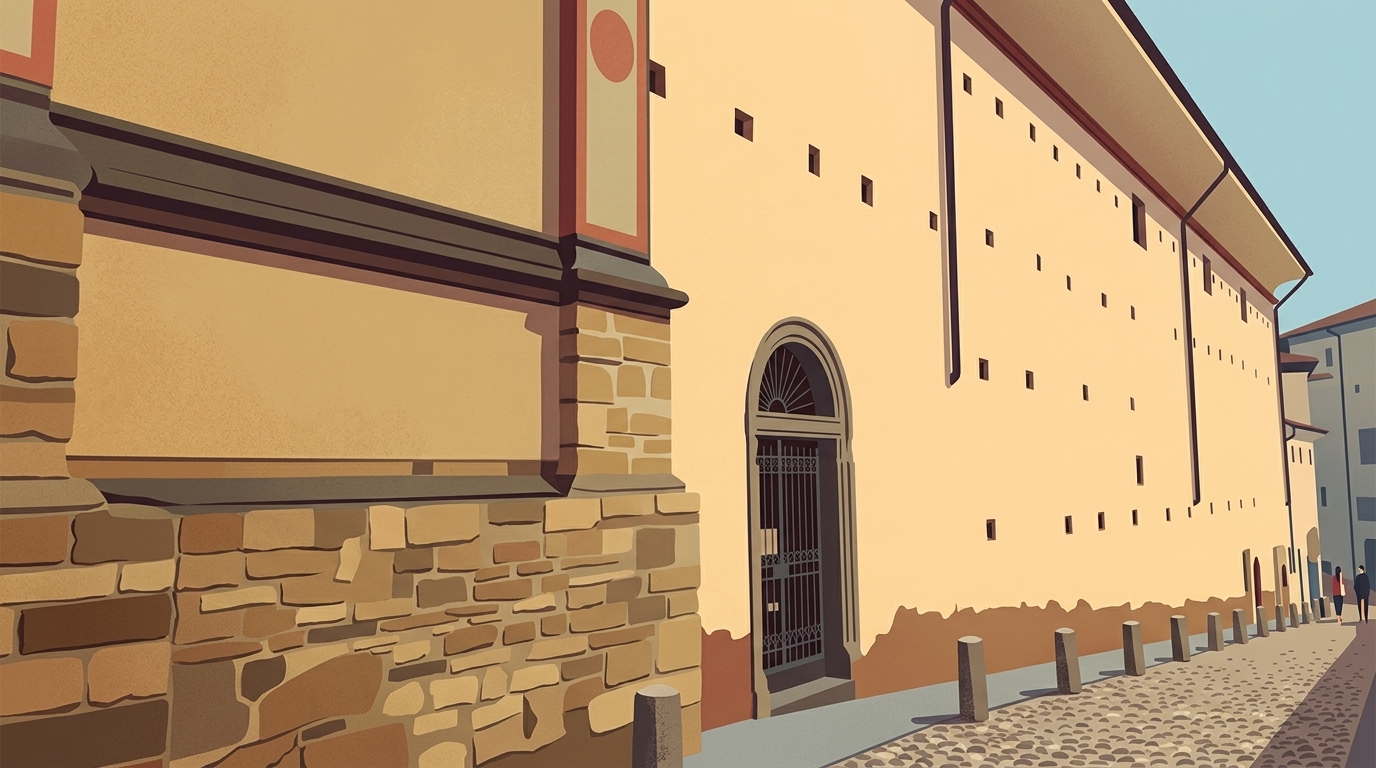
Monastero di San Benedetto
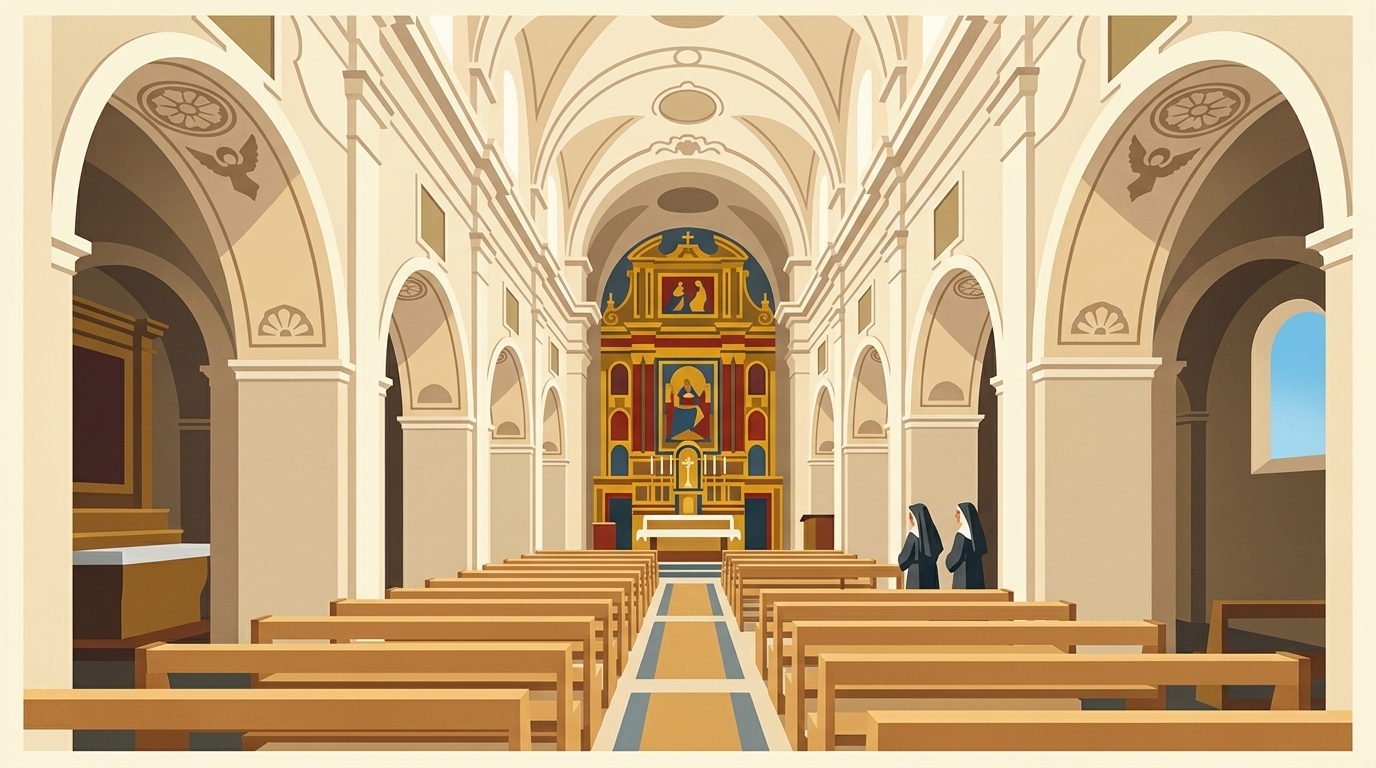
Monastero San Giacomo
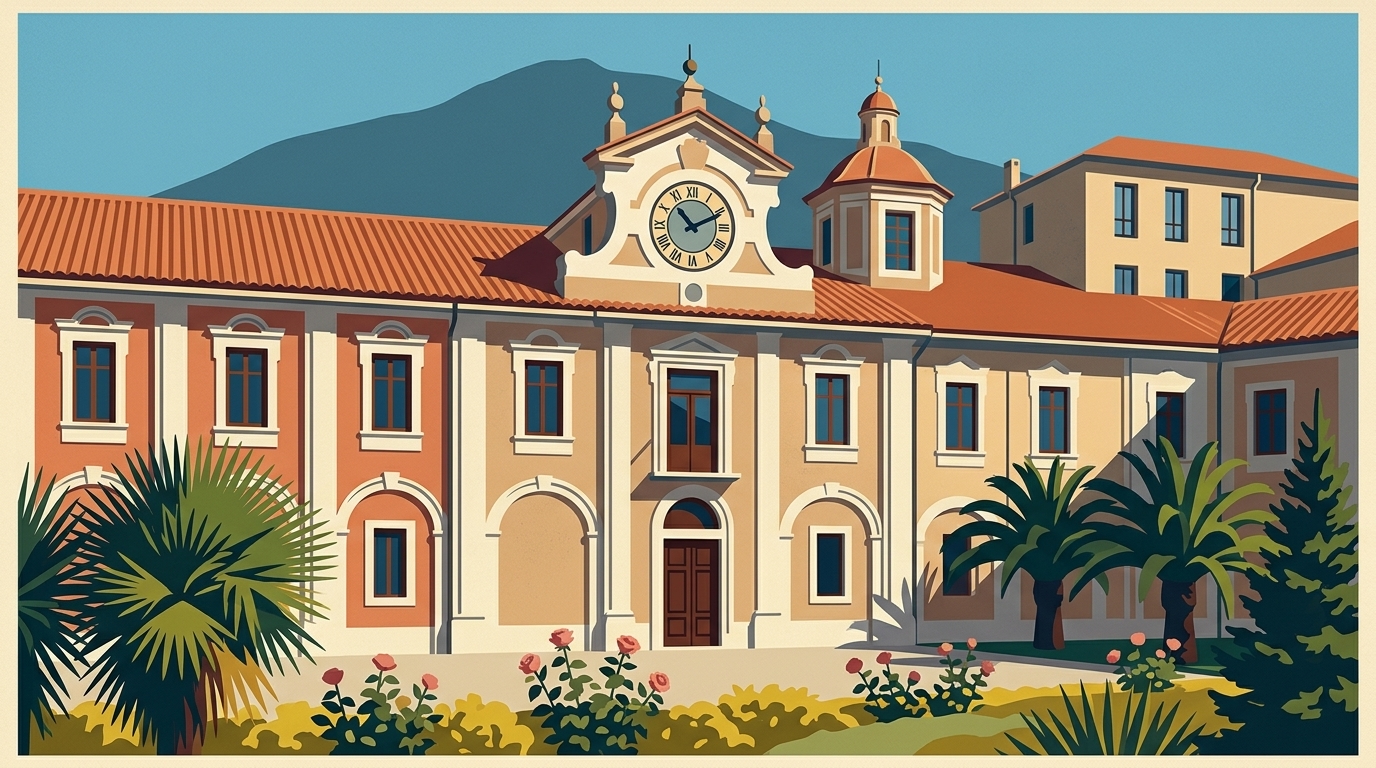
Suore Benedettine di Maria Ss. di Montevergine
Monastero S. Giovanni Evangelista
Monastero S. Maria del Fonte
Monastero S. Scolastica
Monastero Ss. Annunziata Benedettine
Archicenobio Benedettino "S. Andrea Ap."
Monastero S. Antonio Abate
Monastero delle Benedettine di Santa Marta in Firenze
Monastero S. Caterina
Monastero San Girolamo
Monastero S. Francesco di Paola – Badia Nuova
Monastero Sant'Antonio Abate
S. Maria Madre della Chiesa e San Benedetto
Monastero di S. Scolastica
Monastero Benedettine San Magno
Monastero San Daniele
San Benedetto in Milano

Monastero “Spirito Santo”
Monastero S. Giuseppe delle Benedettine
Casa Santo Spirito
Monastero Benedettine dell'Immacolata Concezione
Monastero delle Monache Camaldolesi di S. Maglorio
Monastero Santa Caterina D'Alessandria

Monastero del Sacro Cuore
Benedettine dell'Adorazione Perpetua del Ss. Sacramento

Abbazia Primaziale di Sant'Anselmo
Abbazia di Noci
Abbey of San Giovanni Evangelista

Monaci Eremiti Camaldolesi

Abbazia di S. Maria del Monte

Monastero S. Prospero

Abtei Muri-Gries
Abbazia S. Maria

Abbazia di San Paolo Fuori le Mura

Eremo S. Giorgio
Abbazia di Praglia

S. Eremo

Monastero San Gregorio al Celio
Monastero S. Vincenzo Martire

Comunità Monastica di Dumenza
Abbazia dei Santi Nicola e Paolo VI

Santuario della Madonna di Barbana
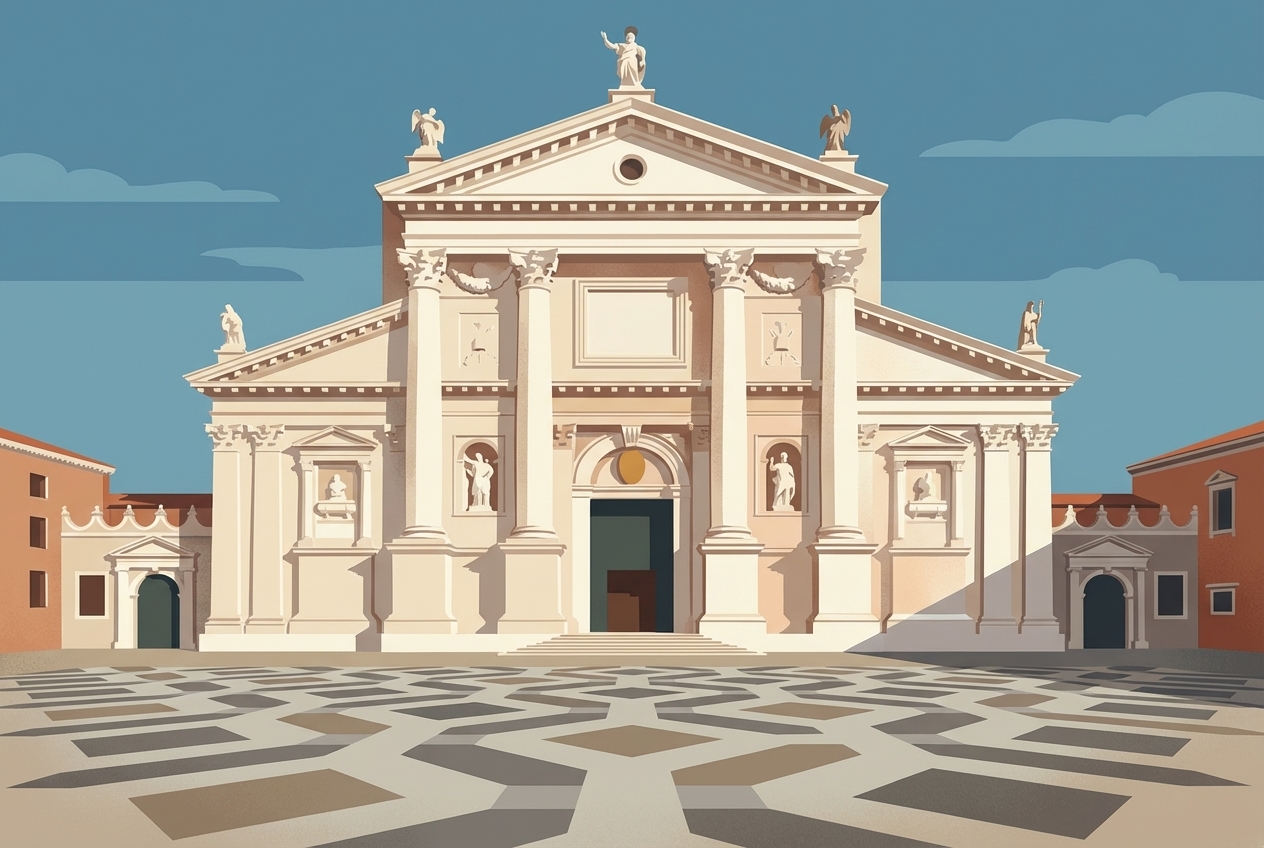
Abbazia di San Giorgio Maggiore

Monastero S. Teresa d'Avila
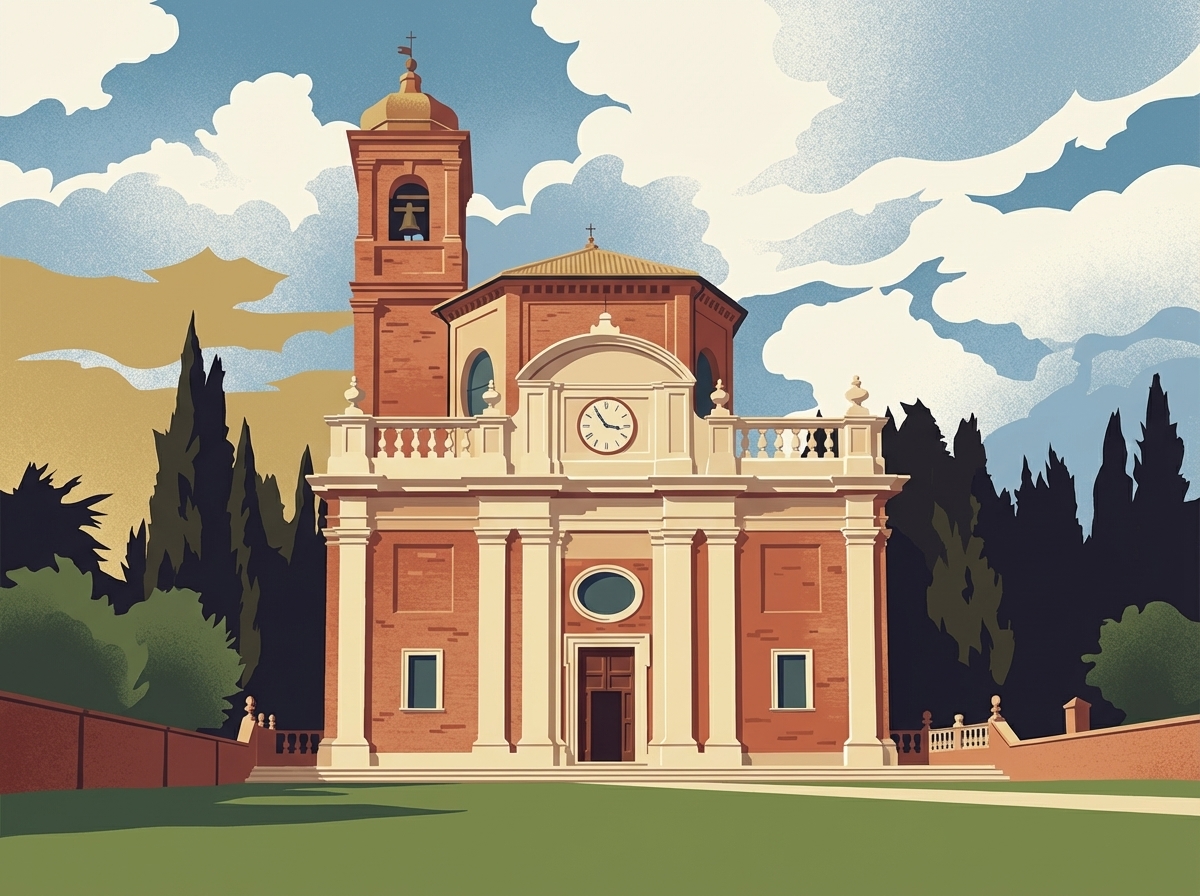
Eremo di Monte Giove
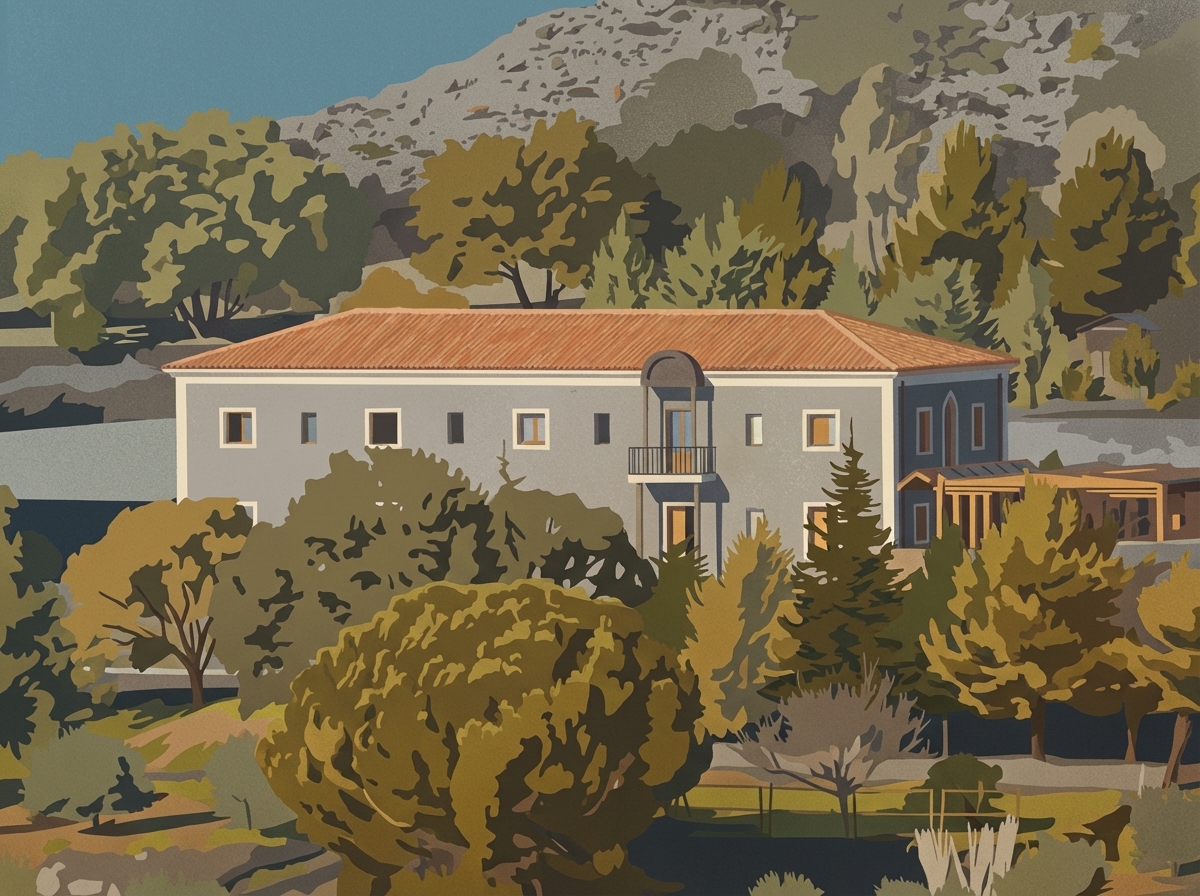
Monastero Beato Giuseppe Benedetto Dusmet

Abbazia San Benedetto
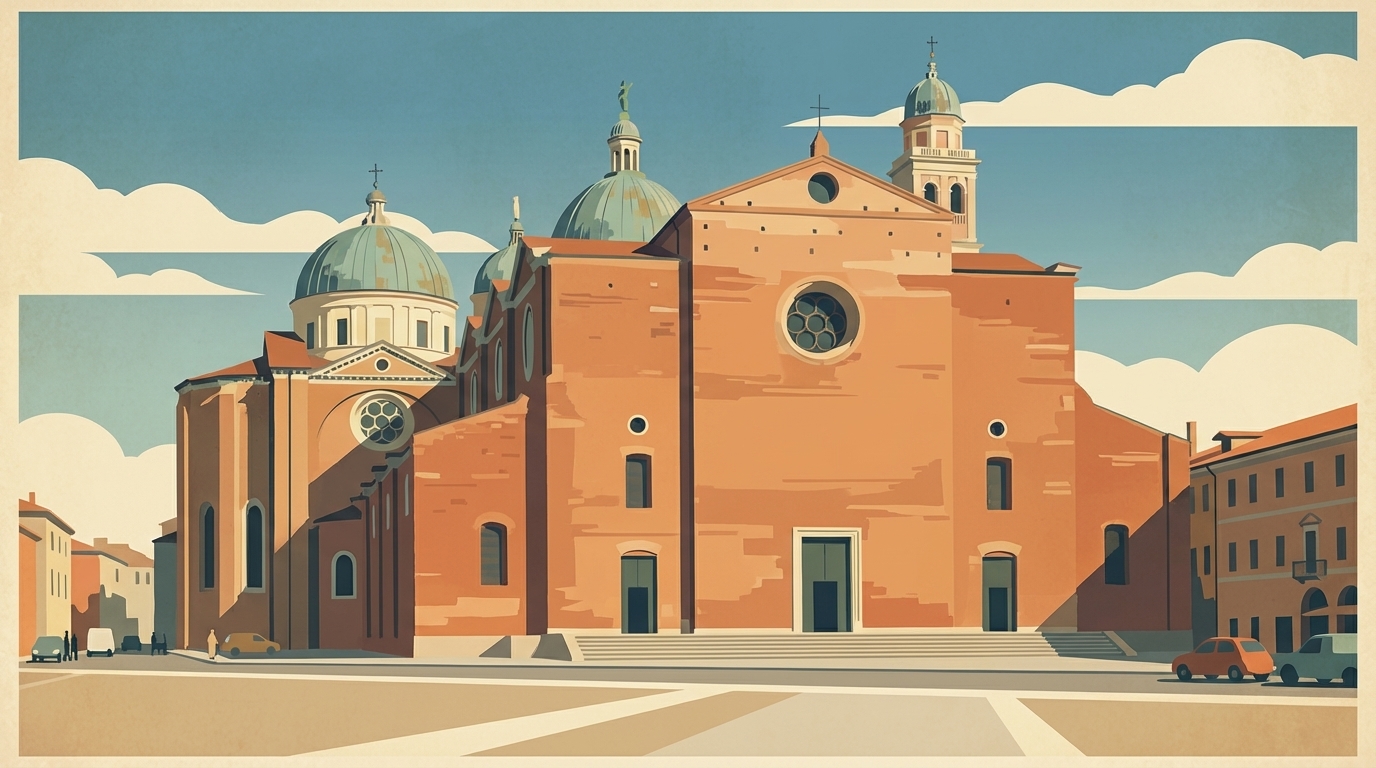
Abbazia di Santa Giustina - Padova
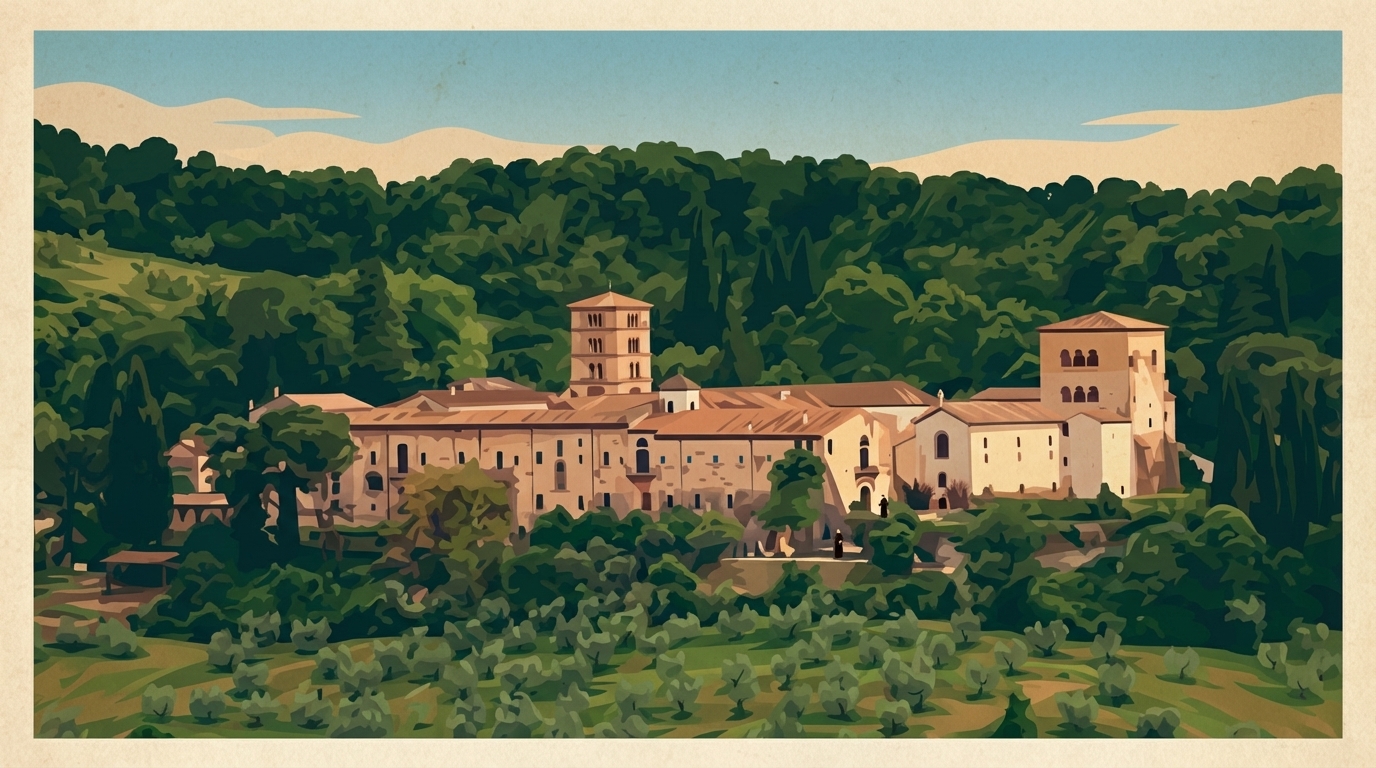
Abbazia di Farfa

Monastero di Santa Scolastica e del Sacro Speco di San Benedetto

Monastero S. Maria delle Grazie
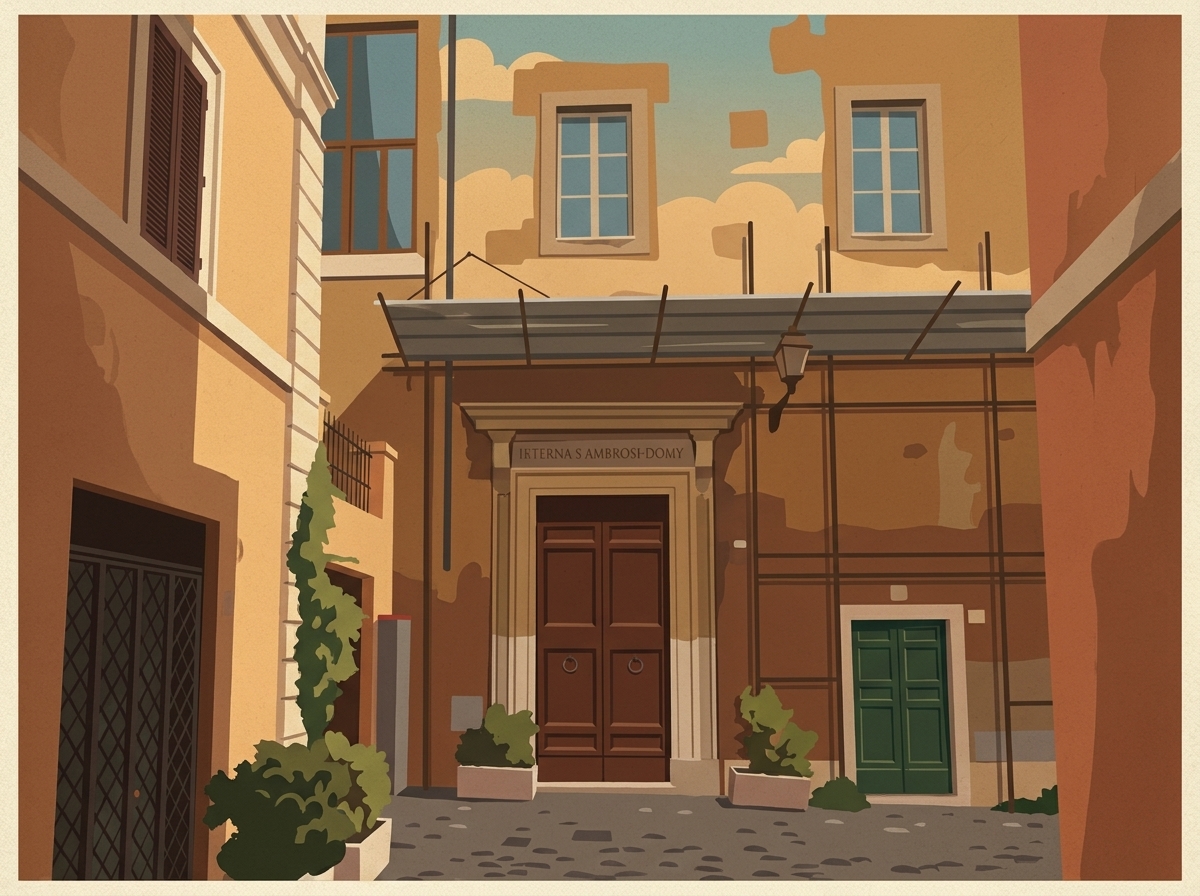
Curia Generalizia della Congregazione Sublacense Cassinese dell'Ordine di San Benedetto
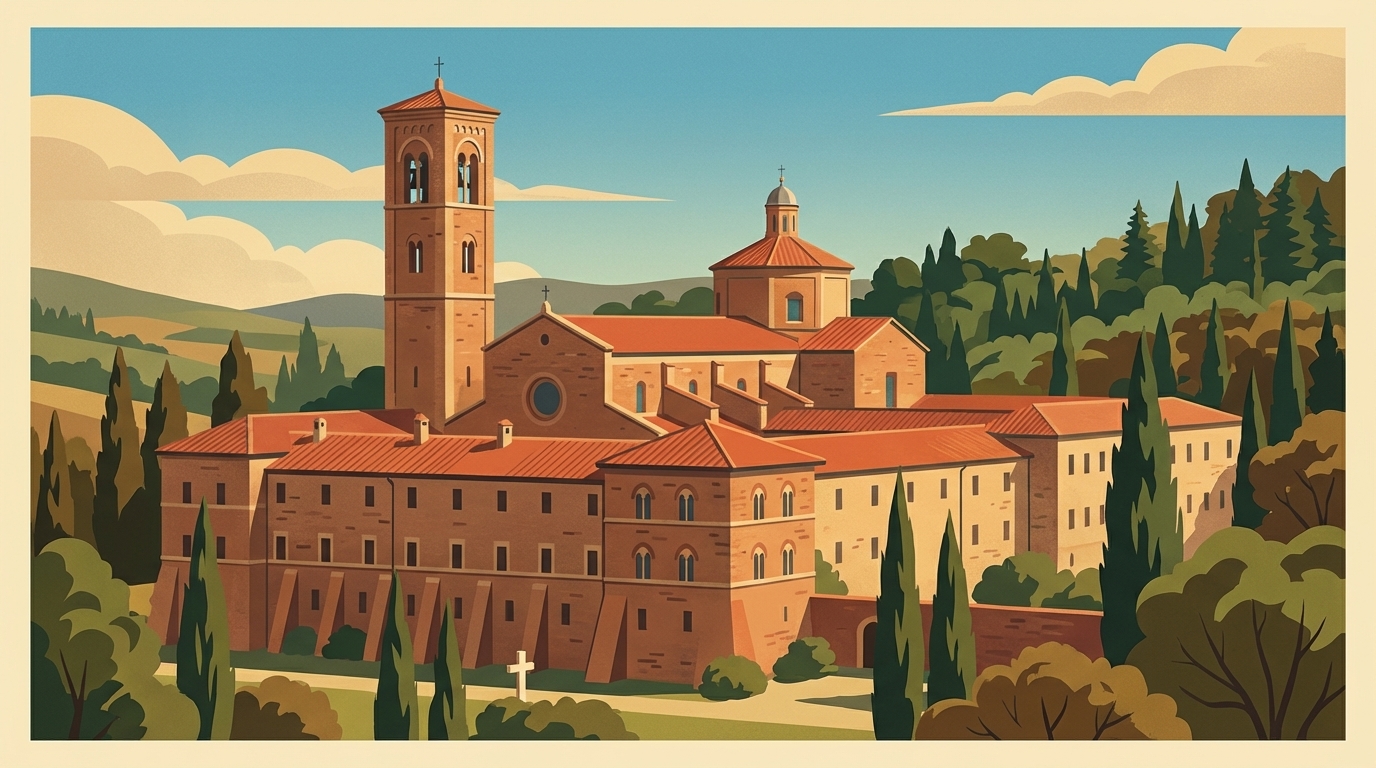
Abbazia Monte Oliveto Maggiore

Monastero Benedettino San Pietro di Sorres

Abbazia di San Benedetto in Monte

Abbazia del Goleto
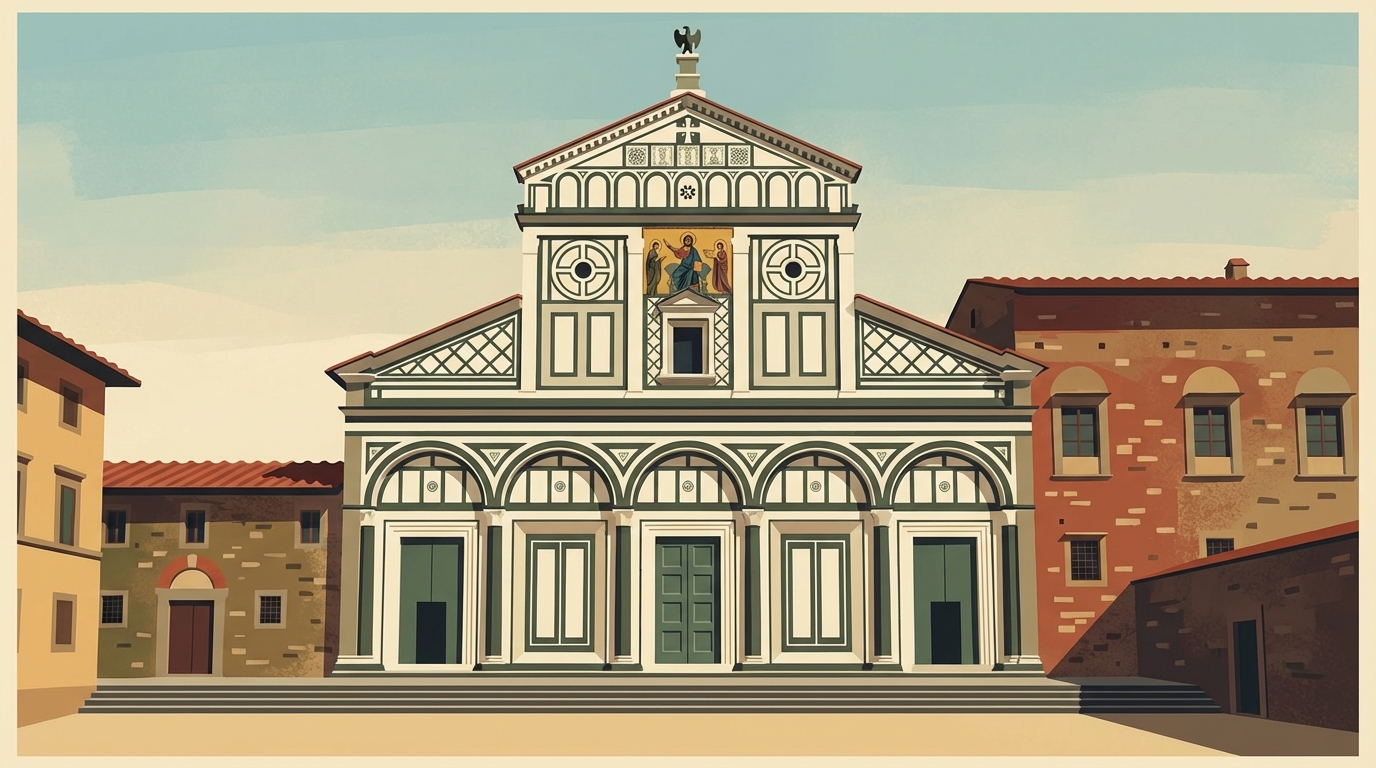
Abbazia San Miniato al Monte

Monastero di S. Prassede

Monastero dei SS. Pietro e Paolo

Abbazia Territoriale di Montecassino

Santuario del Monte della Madonna
Monastero

Monastero di S. Michele

Badia Santa Maria della Neve in Torrechiara

Monastero S. Silvestro Abate

Monastero S. Trinita
Abbazia S. Maria del Pilastrello

Monastero S. Volto
Ven. Eremo di Fonte Avellana

Abbatia di S. Maria - Finalpia
Abtei Marienberg

Monastero dei Ss. Pietro e Paolo

Monastero Santa Maria dei Miracoli

Monastero S. Stefano Protomartire

Badia di Cava
Keep up with the Jubilee!
For the latest news, updates, stories, events, and more, follow us on social media and subscribe to our newsletter.