Abbazia Territoriale di Montecassino
Discover
Abbazia Territoriale di Montecassino
Italy

Welcome to the Abbazia Territoriale di Montecassino, one of the oldest and most revered Benedictine monasteries in the world. Founded by Saint Benedict himself in 529 AD, this sacred hilltop abbey continues to inspire all who visit.

About
The Abbey of Montecassino is one of the most important Benedictine monasteries in Europe, founded by Benedict of Nursia and still today a vibrant center of spirituality, culture, and hospitality.
The monastic community continues to live according to the Benedictine tradition, offering everyone the opportunity to share moments of prayer, silence, and reflection.
In addition to its spiritual dimension, the abbey preserves a rich artistic and cultural heritage, which can be explored through the basilica, cloisters, museum, and library.
A destination for pilgrimages and visits from all over the world, Montecassino is a place where history and present life meet, offering an experience of peace and spirituality.
History
The Abbey of Montecassino was founded around 529 by Benedict of Nursia, who chose the summit of the ancient Castrum Casinum to build a monastery organized in a unified manner, different from the small coenobia of Subiaco. Here, he began an intense religious and pastoral activity in a territory lacking stable episcopal guidance, establishing himself through his charisma even among civil and religious authorities. According to tradition, he was also visited by the Gothic king Totila, to whom he is said to have predicted his death.
After Benedict’s death, the monastery continued to grow, but in 577 it was destroyed by the Lombards, and the monks took refuge in Rome. Only in 718, thanks to Petronax, was the community reconstituted, beginning a new phase of great development. During this period, Montecassino obtained important privileges from the popes, which sanctioned its autonomy from local bishops, and it became the center for the spread of the Benedictine Rule in Europe. It welcomed monks and illustrious figures and also played a political role as a mediator between the Lombards, Franks, and the Papacy.
Between the 8th and 11th centuries, the abbey reached enormous cultural importance: in its scriptorium, fundamental works of classical (such as Cicero, Virgil, and Tacitus) and Christian culture were copied, contributing to the preservation of ancient knowledge. The period of greatest splendor was in the 11th century under Abbot Desiderius, later Pope Victor III, who promoted a major architectural reconstruction and strengthened relations with the Normans, placing Montecassino at the center of the political balance of southern Italy.
However, the history of the abbey was marked by continual crises: in 883 it was again destroyed by the Saracens and later became involved in the struggles between the Papacy and the Empire. In the 13th century, it suffered severe damage during the policies of Frederick II of Swabia, who transformed the monastery into a military fortification. In the following centuries, it went through a period of decline, worsened by earthquakes and the commendam system, which entrusted the monastery to individuals often more interested in its assets than in religious life.
A new revival occurred in the sixteenth century, when Montecassino joined the Cassinese Congregation: monastic life, studies, and the arts flourished again. The buildings and the basilica were renovated, and in the following centuries, the complex was enriched by important artists, including Luca Giordano, making it one of the most imposing monastic complexes in Italy.
Between the eighteenth and nineteenth centuries, the abbey faced new difficulties: first the looting by French troops, then the Napoleonic suppressions, and finally those of the Kingdom of Italy in 1866, which drastically reduced its power and assets. Despite this, it remained an important cultural center, with historical, archival, and scientific studies.
The most dramatic moment in its recent history was during the Battle of Montecassino in 1944, when the abbey was completely destroyed by Allied bombings, as it was considered a strategic point for German troops. In reality, before its destruction, many artistic treasures and manuscripts had been saved and transferred to the Vatican.
After the war, thanks to the efforts of Abbot Ildefonso Rea, the monastery was faithfully rebuilt “as it was and where it was” and reconsecrated in 1964 by Pope Paul VI, who also proclaimed Saint Benedict the patron of Europe. Even today, Montecassino represents a symbol of monastic civilization and European culture, a testament to a thousand-year history marked by destruction, rebirth, and spiritual continuity.
Events
No items found.
Stay
At the Abbey of Montecassino, Benedictine monastic life is founded on hospitality and the search for God through prayer, silence, and sharing. The monks live their faith by recognizing in others the presence of Christ; for this reason, they open their doors to anyone who wishes to have an authentic spiritual experience, regardless of ideas, culture, or origin, provided that the atmosphere of recollection within the community is respected.
Guests may be accommodated in the monastery’s guesthouse, where they can participate in the monks’ daily life: moments of prayer, liturgy, silence, work, and even personal conversations. The experience offered is not far removed from everyday life, but helps to live it more deeply, through values such as inner peace, reflection, freedom, and solidarity.
During their stay, guests follow the rhythm of the monastic day, marked by various moments of prayer such as the Office of Readings at dawn, Lauds, Mass, Vespers, and Compline, interspersed with shared meals, silence, and personal meditation (lectio divina). This allows guests to immerse themselves fully in Benedictine spirituality.
The abbey also welcomes groups, particularly young people, scouts, or parish communities, who are hosted in a nearby facility equipped with suitable spaces and services for community life.
In summary, Montecassino is not only a historical site, but also a living space for spiritual encounter, where anyone can pause to find silence, reflection, and a deeper connection with God.
Pray
Weekdays | Office of Readings at 5:30 | Morning Lauds at 6:45 | Eucharistic Celebration at 7:10 | Terce at 8:30 | Sext at 12:50 | Lunch at 13:00 | None at 14:00 | Vespers at 19:00 | Compline at 20:45
Sundays | Office of Readings and Morning Lauds at 5:30 | Terce at 8:30 | Eucharistic Celebration at 10:30 | Eucharistic Celebration at 12:00 | Vespers at 16:30 | Compline at 20:45
Worship
Celebration Times:
Sunday: 10:30h, sung in Gregorian chant | 12:00h | Vespers, sung in Gregorian chant: 16:30h
More places in
Italy

Monastero Ss. Crocifisso e S. Maria
Suore Loretane – Bergamo
Abbazia Benedettina "Mater Ecclesiæ"
Monastero Benedettino di San Clemente
Monastero Mater Ecclesiae
Suore Loretane – Pessano
Monastero di Santa Maria degli Angeli
Monastero S. Cipriano
Monastero delle Oblate di santa Francesca Romana di Tor de' Specchi
Monastero Benedettine dei Ss. Pietro e Paolo in Viboldone
Monastero Benedettino “Santa Margherita”

Monastero S. Giovanni Battista
Monastero di Santa Maria Della Marca
Monastero Benedettino Regina Pacis

Abbatia Sancta Maria de Rosano
Monastero San Luca
Monastero delle benedettine di San Ruggero in Barletta
Abbazia San Giovanni Battista a Monte Mario
Monastero delle Benedettine di S. Cecilia
Monastero delle Benedettine di S. Anna
Abbazia - Monastero Santa Scolastica
Abtei Vom Heiligen Kreuz
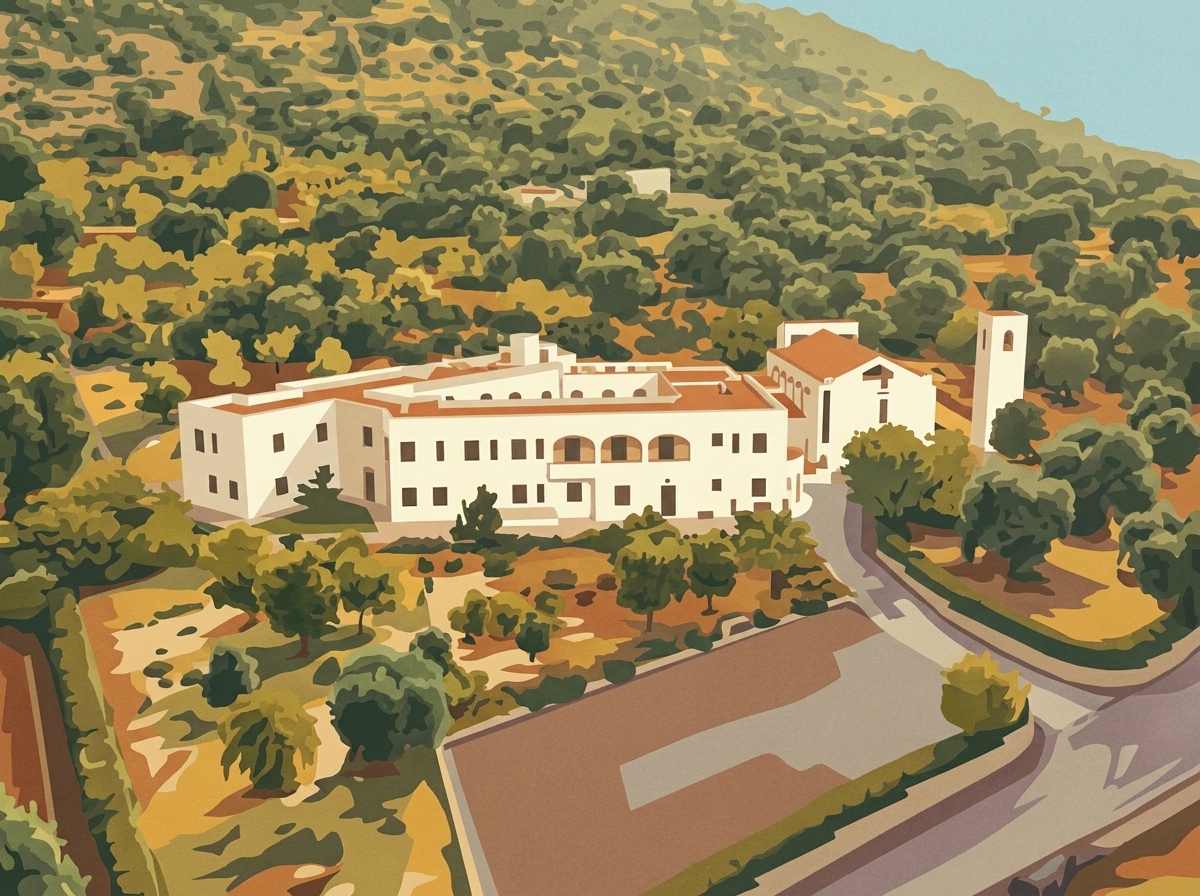
Monastero di San Pietro
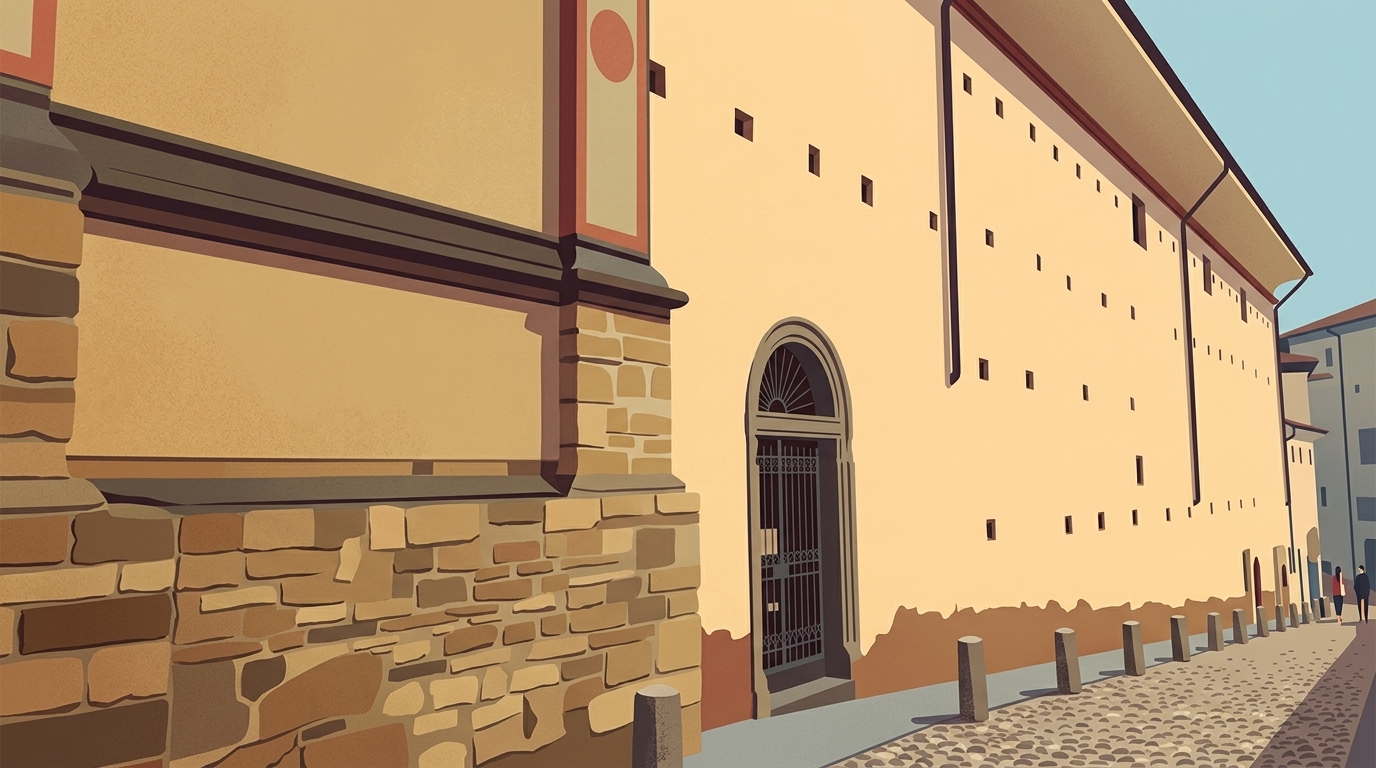
Monastero di San Benedetto
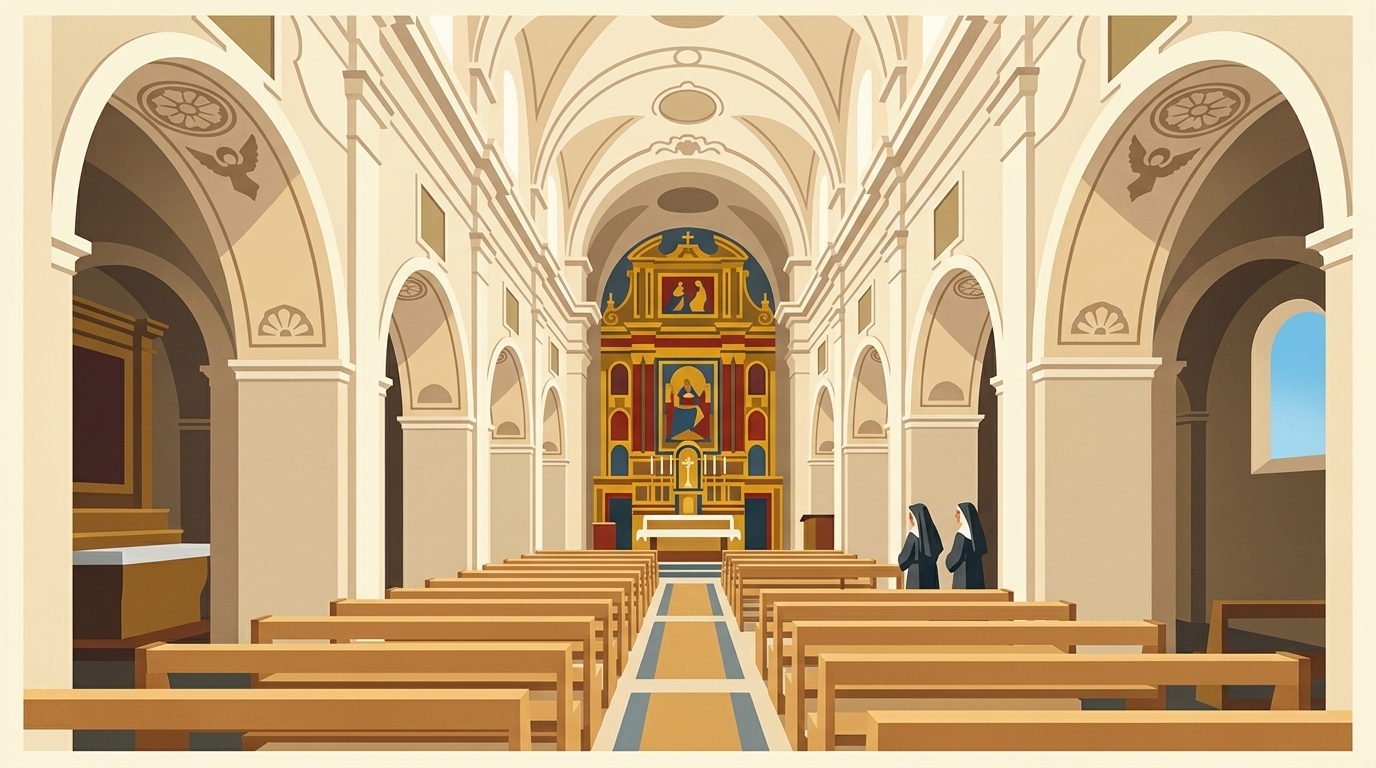
Monastero San Giacomo
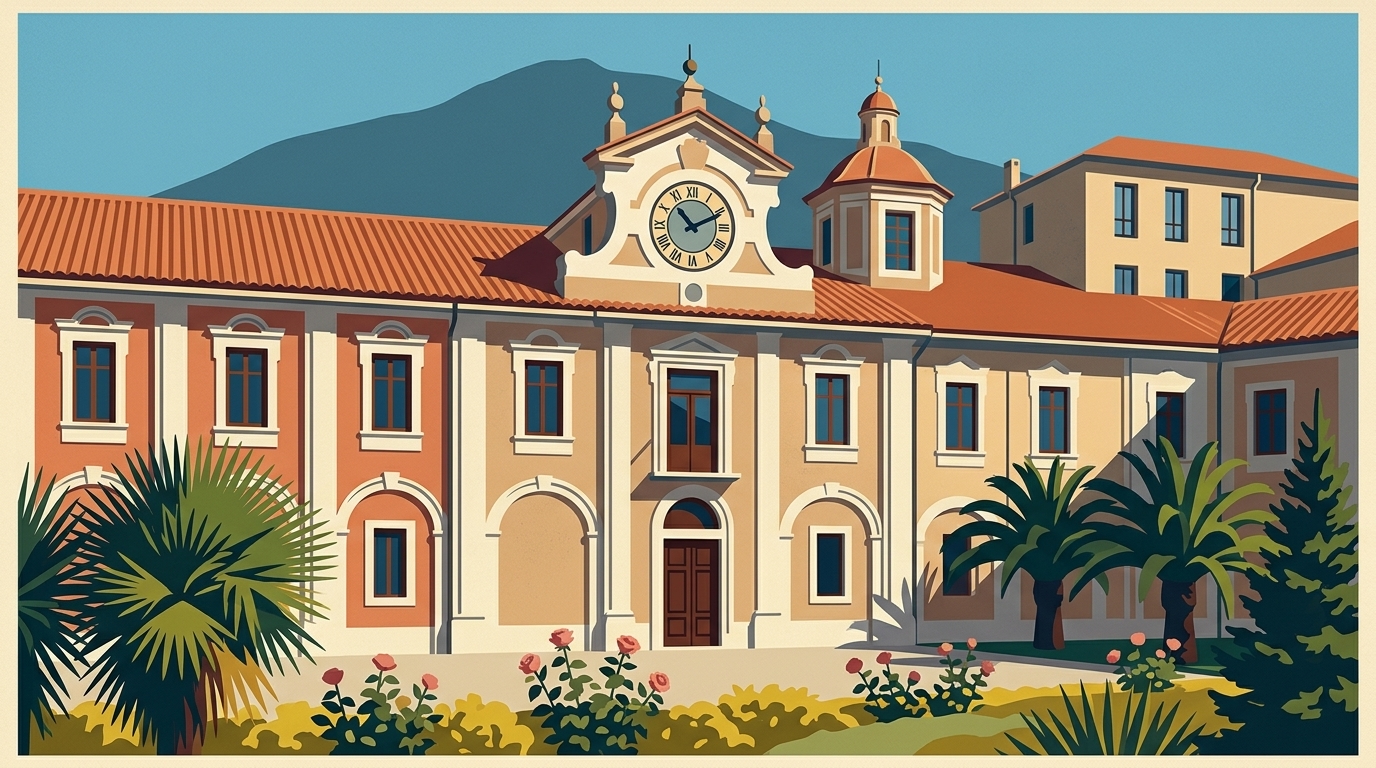
Suore Benedettine di Maria Ss. di Montevergine
Monastero S. Giovanni Evangelista
Monastero S. Maria del Fonte
Monastero S. Scolastica
Monastero Ss. Annunziata Benedettine
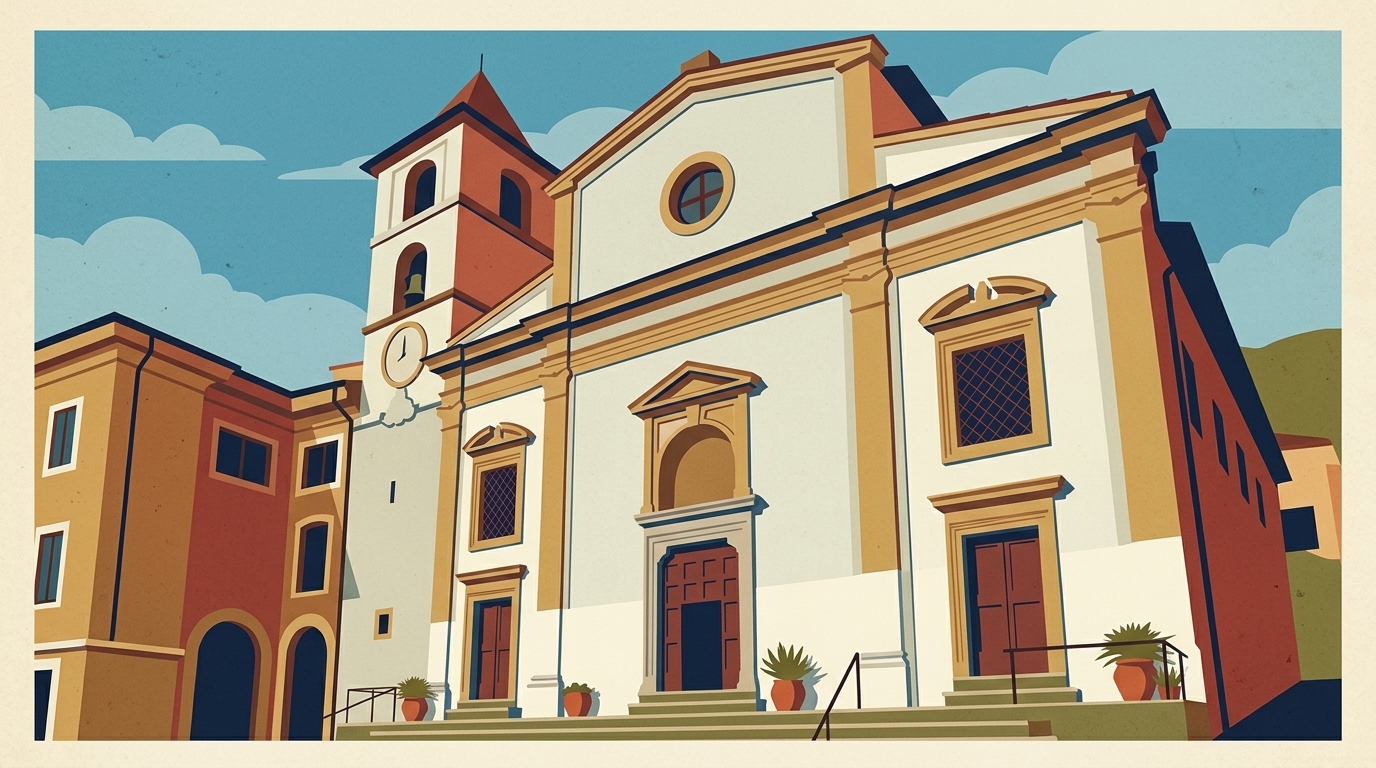
Archicenobio Benedettino "S. Andrea Ap."
Monastero S. Antonio Abate
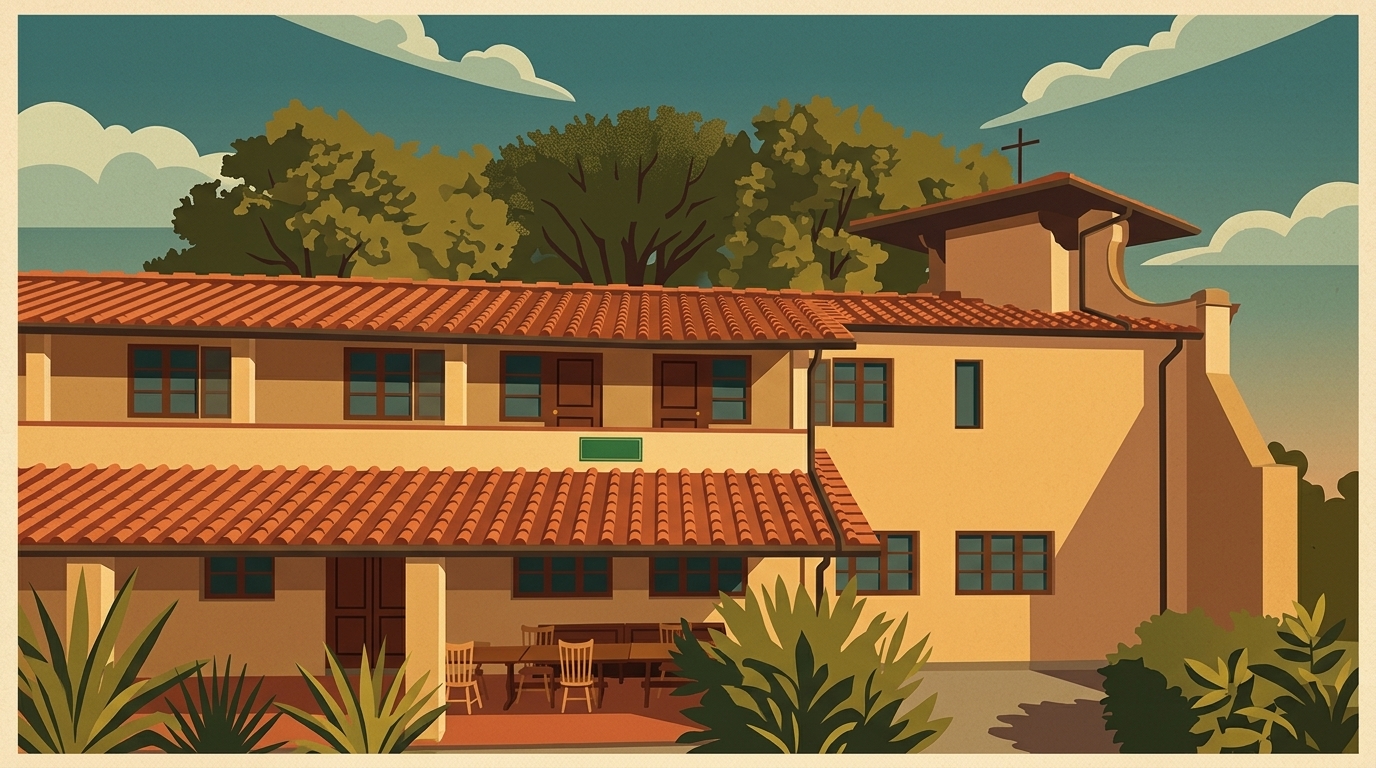
Monastero delle Benedettine di Santa Marta in Firenze
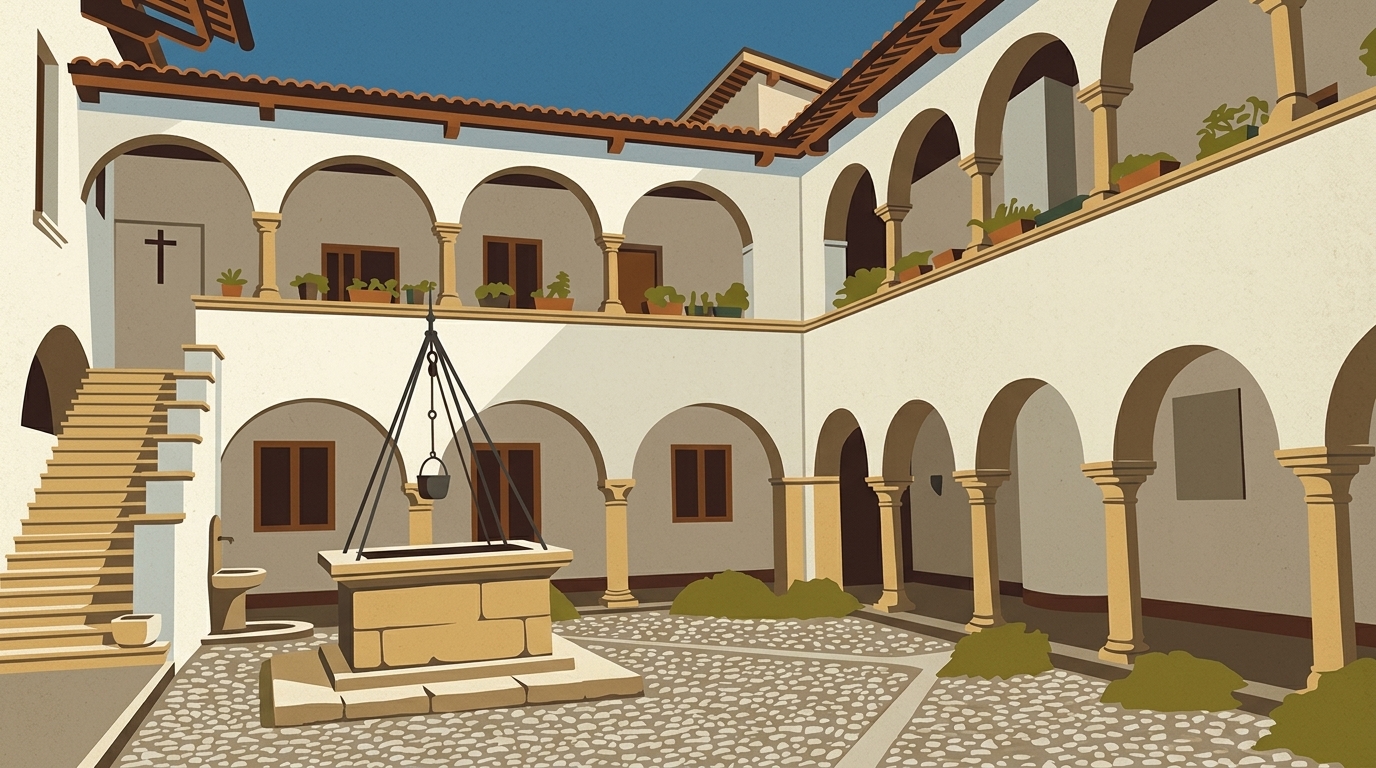
Monastero S. Caterina
Monastero San Girolamo
Monastero S. Francesco di Paola – Badia Nuova
Monastero Sant'Antonio Abate
S. Maria Madre della Chiesa e San Benedetto
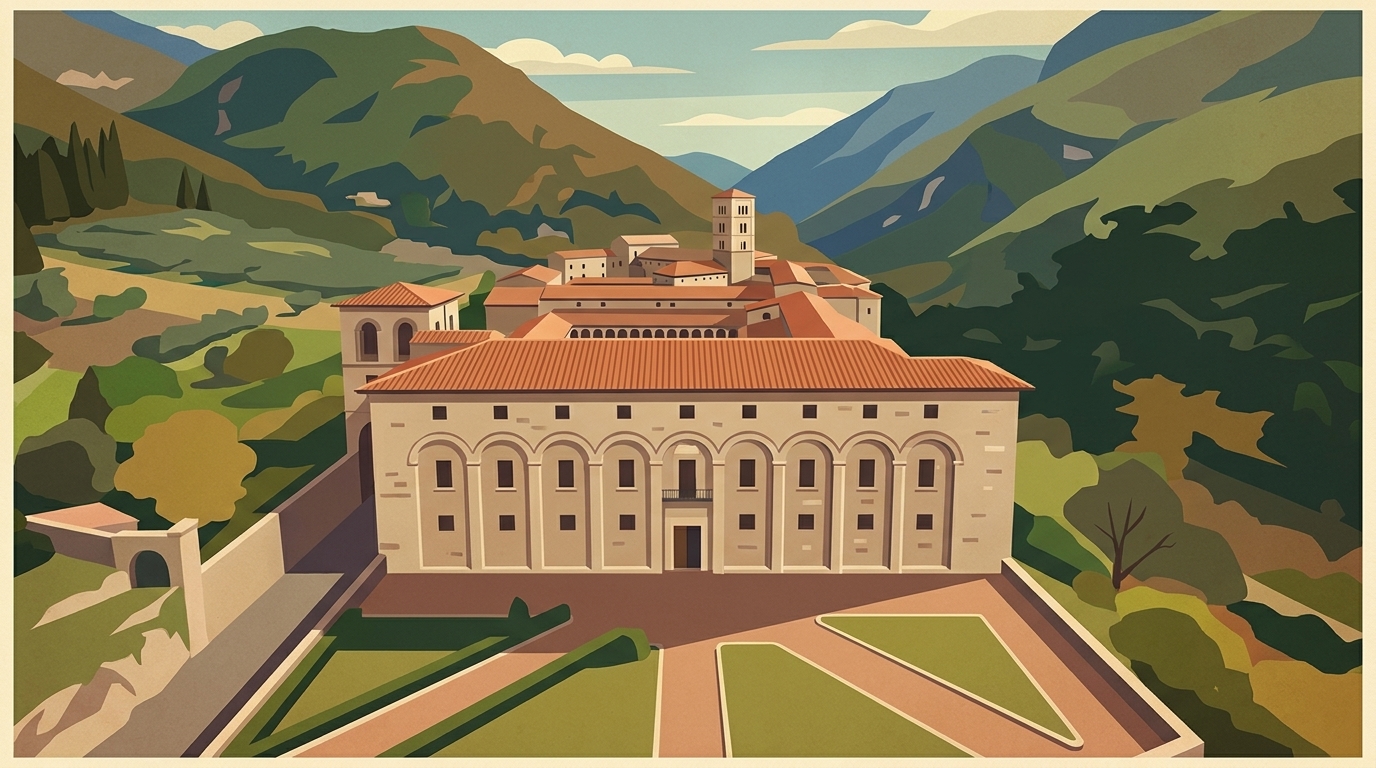
Monastero di S. Scolastica
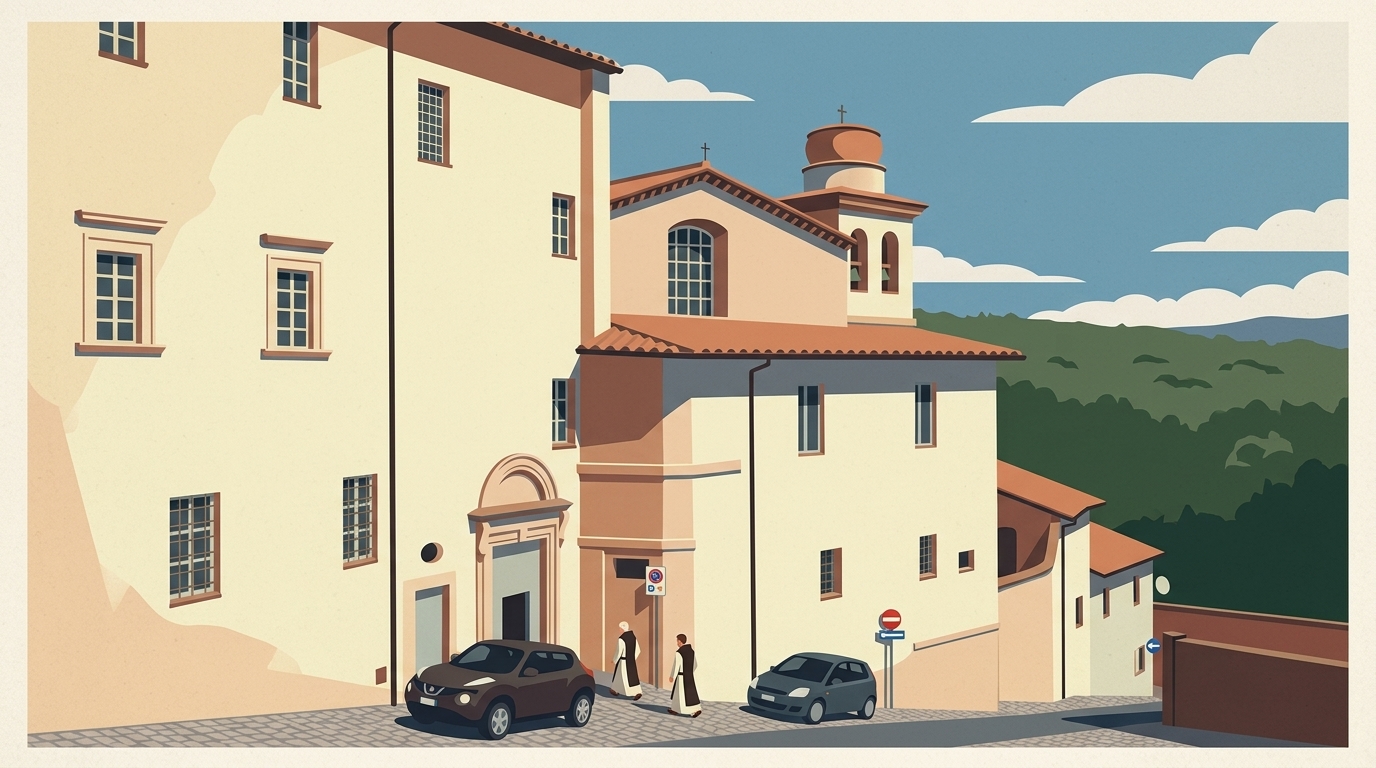
Monastero Benedettine San Magno
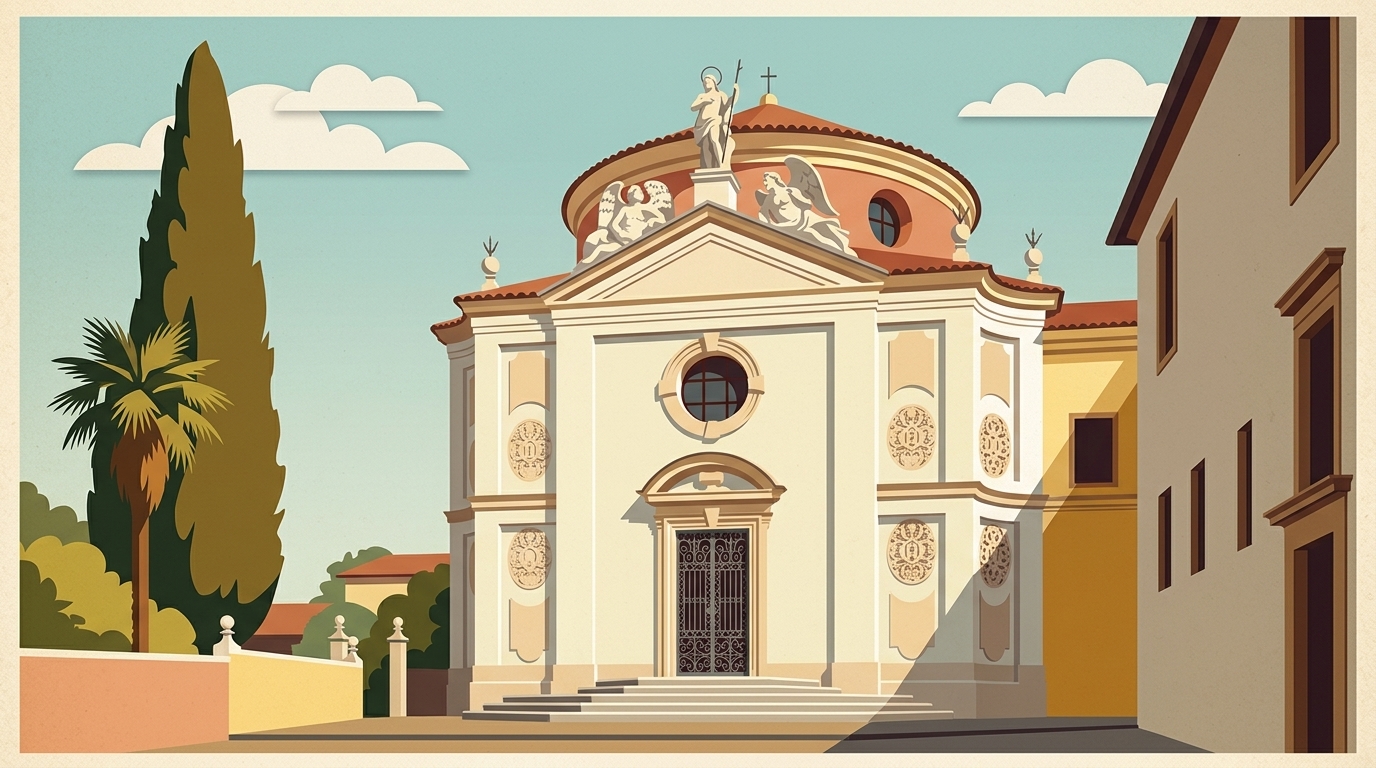
Monastero San Daniele
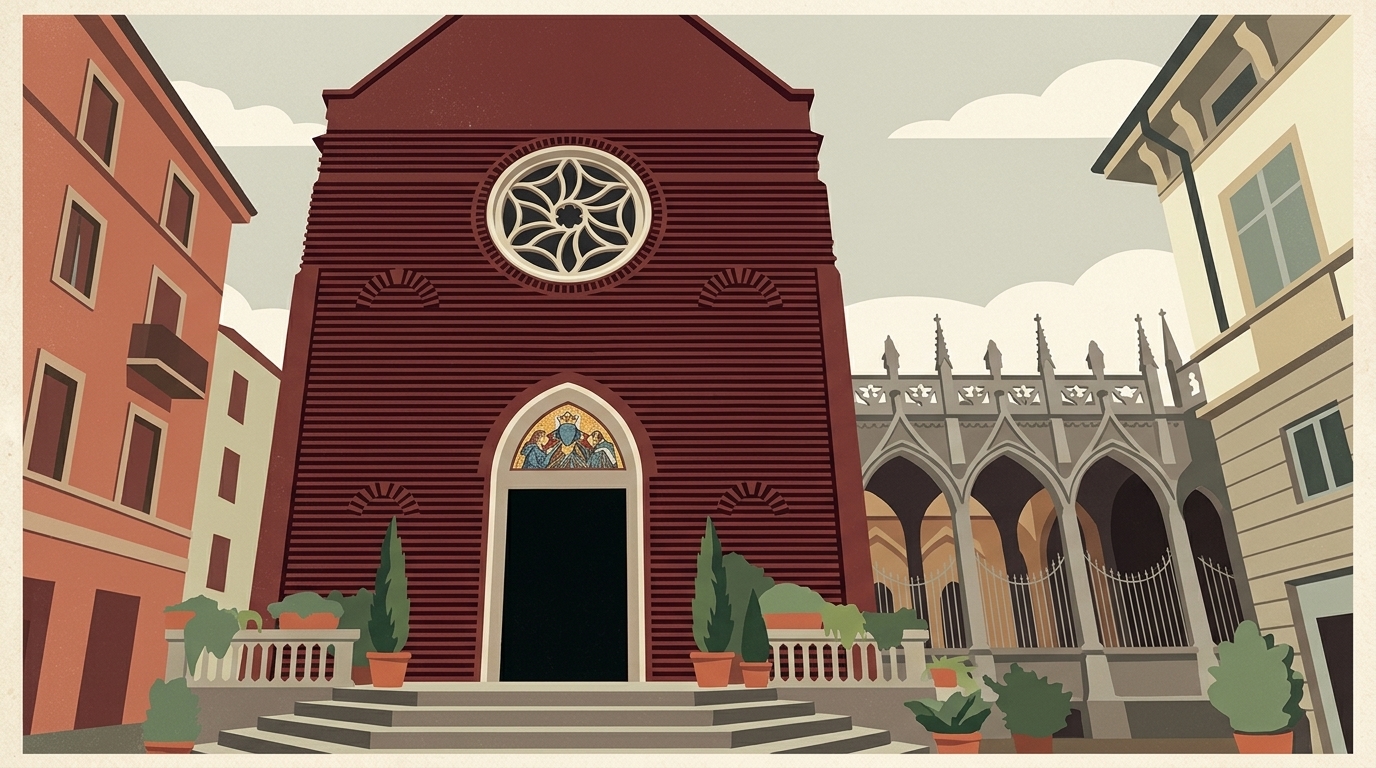
San Benedetto in Milano

Monastero “Spirito Santo”
Monastero S. Giuseppe delle Benedettine
Casa Santo Spirito
Monastero Benedettine dell'Immacolata Concezione
Monastero delle Monache Camaldolesi di S. Maglorio
Monastero Santa Caterina D'Alessandria

Monastero del Sacro Cuore
Benedettine dell'Adorazione Perpetua del Ss. Sacramento

Abbazia Primaziale di Sant'Anselmo
Abbazia di Noci
Abbey of San Giovanni Evangelista

Monaci Eremiti Camaldolesi

Abbazia di S. Maria del Monte

Monastero S. Prospero

Abtei Muri-Gries
Abbazia S. Maria
Abbazia di San Paolo Fuori le Mura

Eremo S. Giorgio
Abbazia di Praglia

S. Eremo

Monastero San Gregorio al Celio
Monastero S. Vincenzo Martire

Comunità Monastica di Dumenza
Abbazia dei Santi Nicola e Paolo VI

Santuario della Madonna di Barbana
Abbazia di San Giorgio Maggiore

Monastero S. Teresa d'Avila
Eremo di Monte Giove
Monastero Beato Giuseppe Benedetto Dusmet

Abbazia San Benedetto
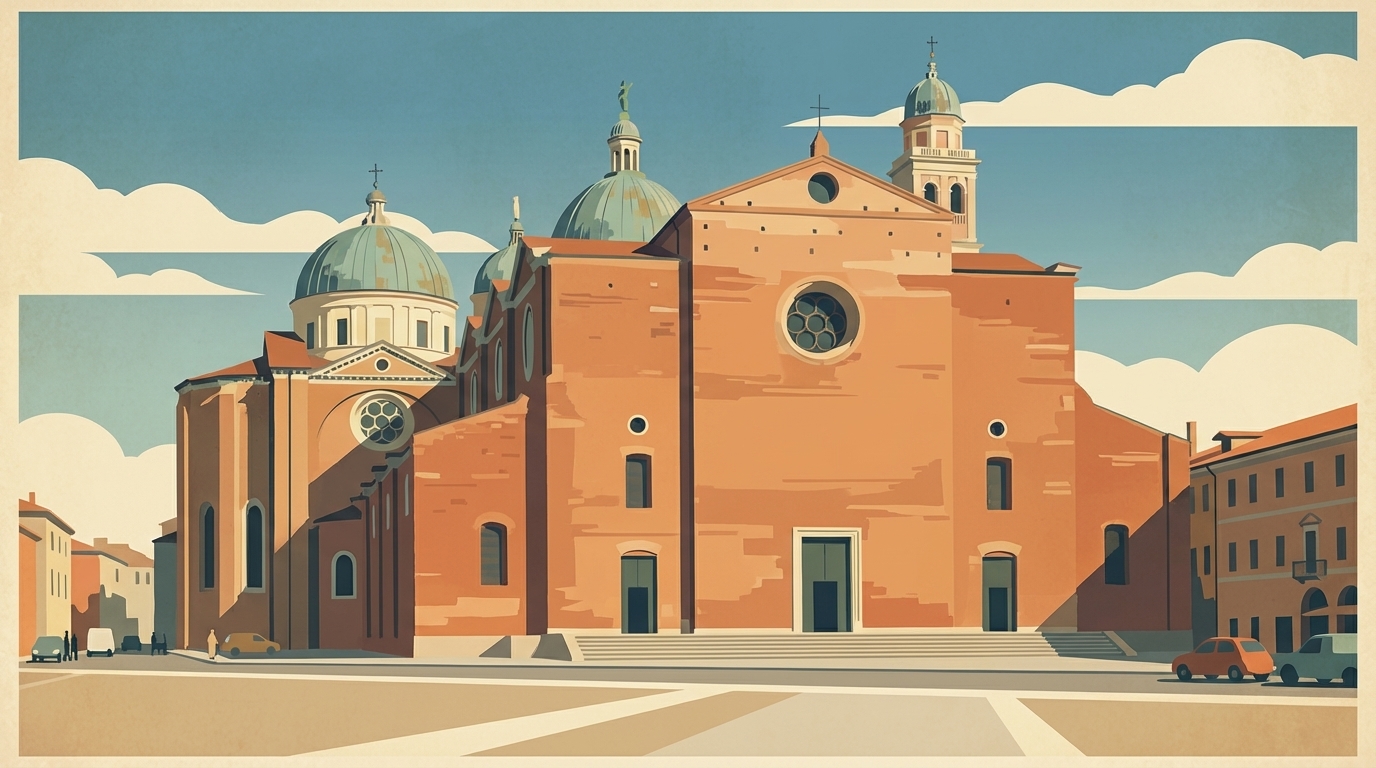
Abbazia di Santa Giustina - Padova
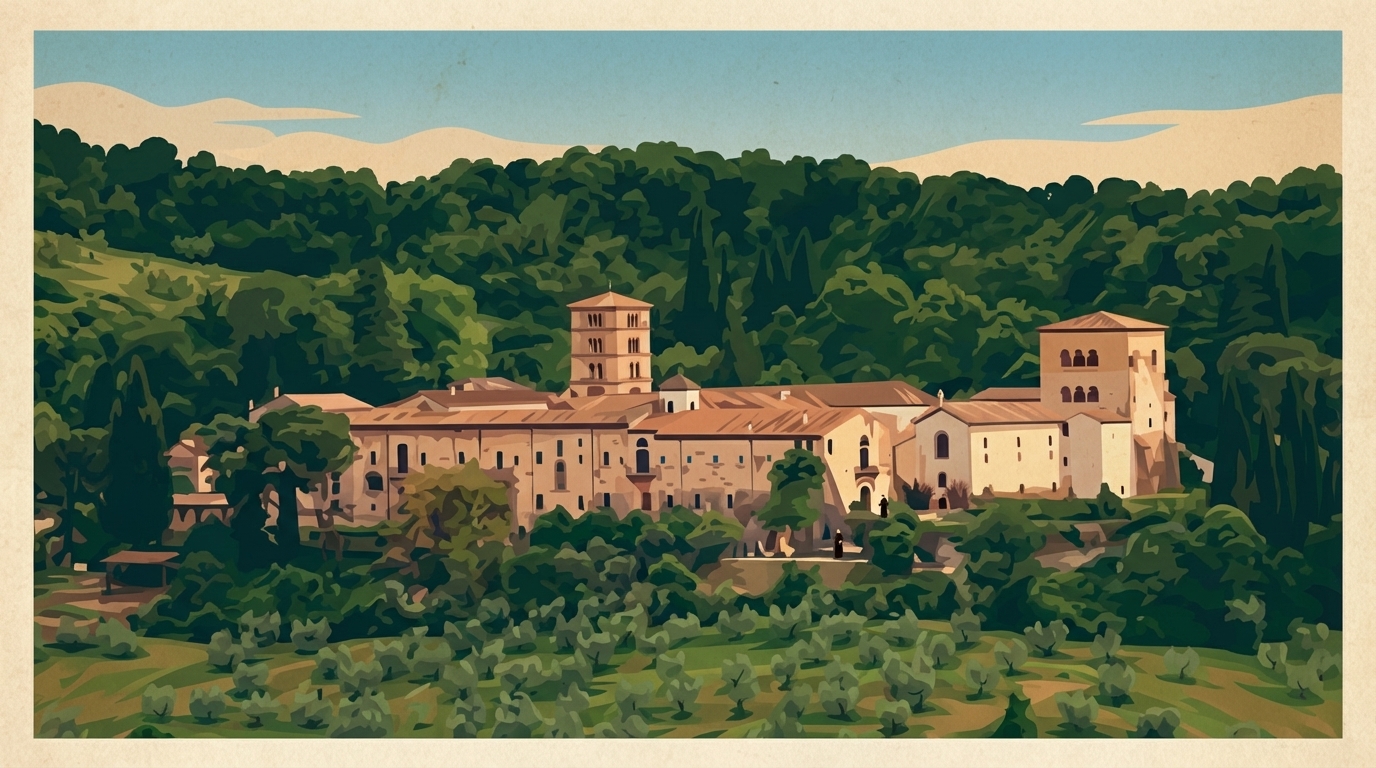
Abbazia di Farfa

Monastero di Santa Scolastica e del Sacro Speco di San Benedetto

Monastero S. Maria delle Grazie
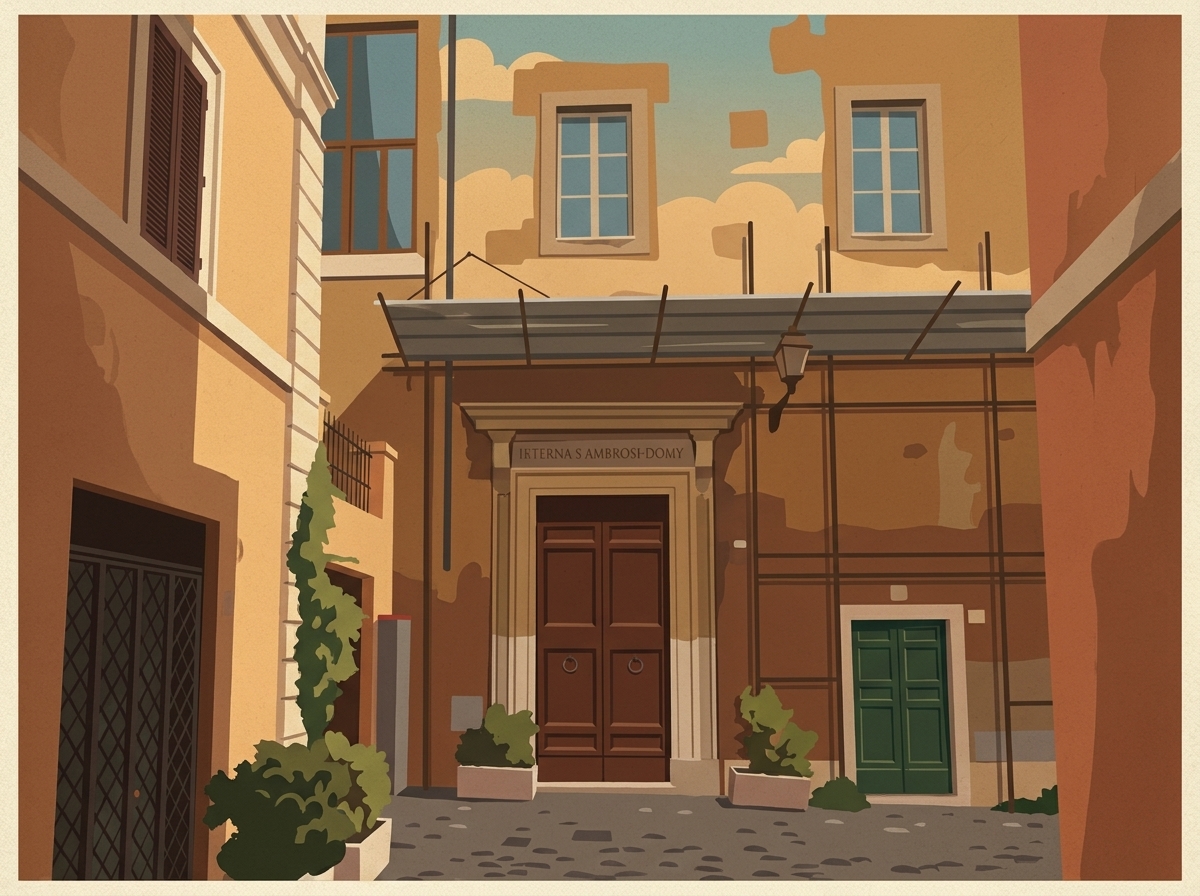
Curia Generalizia della Congregazione Sublacense Cassinese dell'Ordine di San Benedetto
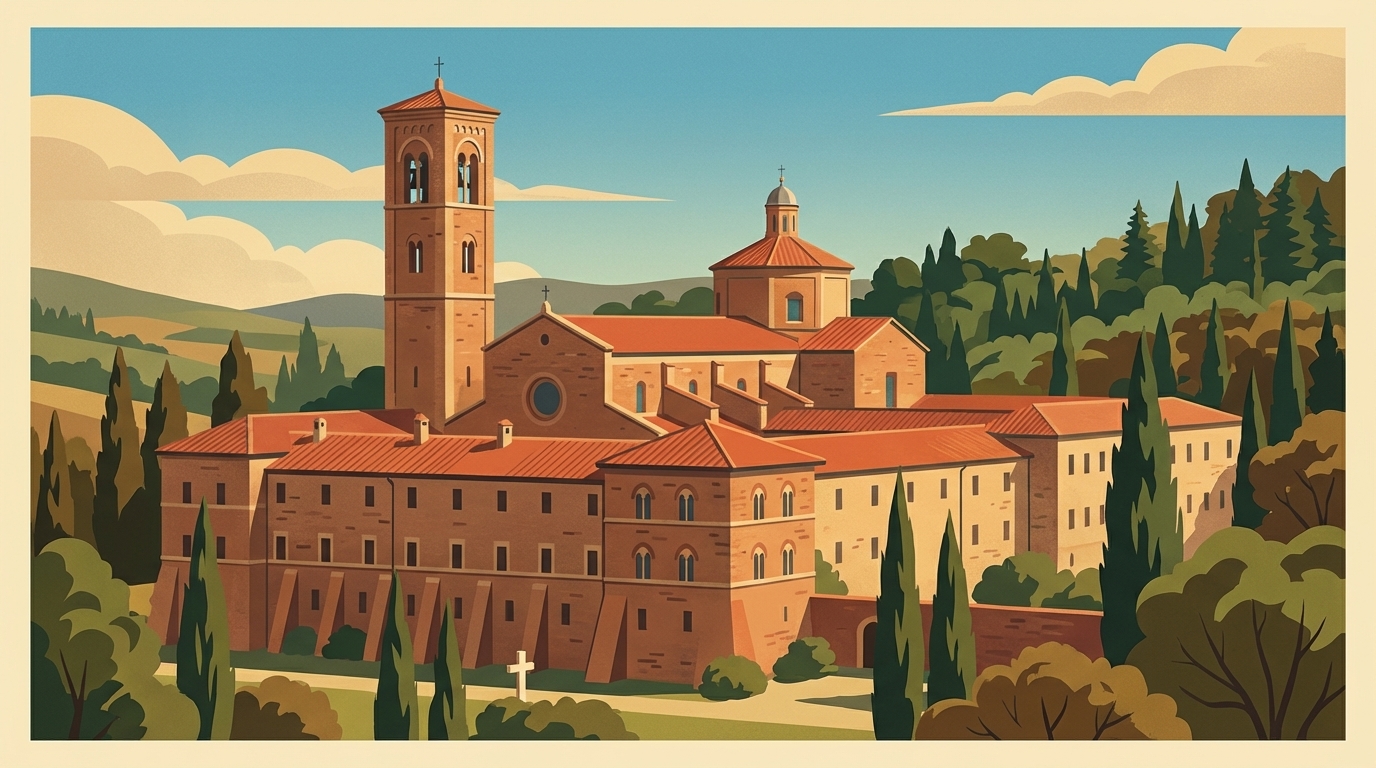
Abbazia Monte Oliveto Maggiore

Monastero Benedettino San Pietro di Sorres

Abbazia di San Benedetto in Monte

Abbazia del Goleto
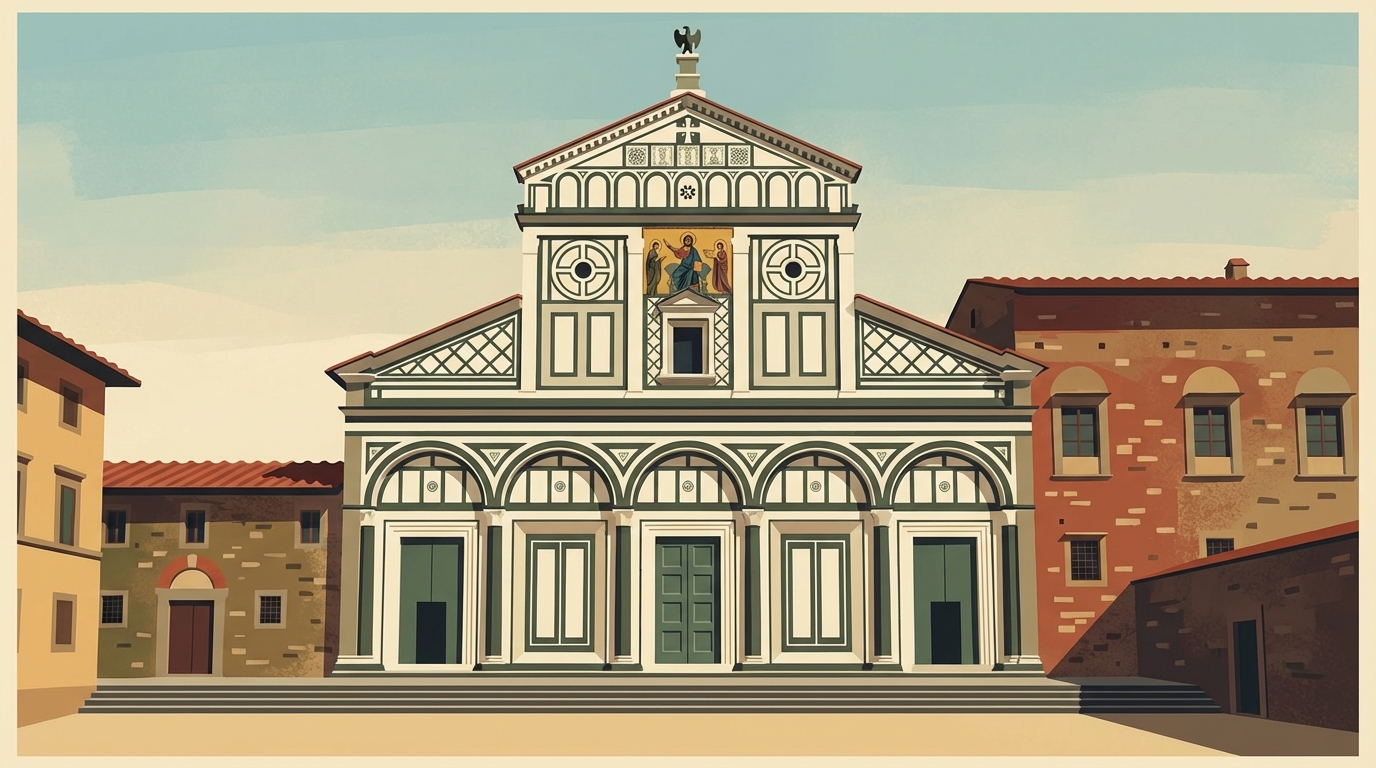
Abbazia San Miniato al Monte

Monastero di S. Prassede

Monastero dei SS. Pietro e Paolo

Santuario del Monte della Madonna
Monastero

Monastero di S. Michele

Badia Santa Maria della Neve in Torrechiara

Monastero S. Silvestro Abate

Monastero S. Trinita
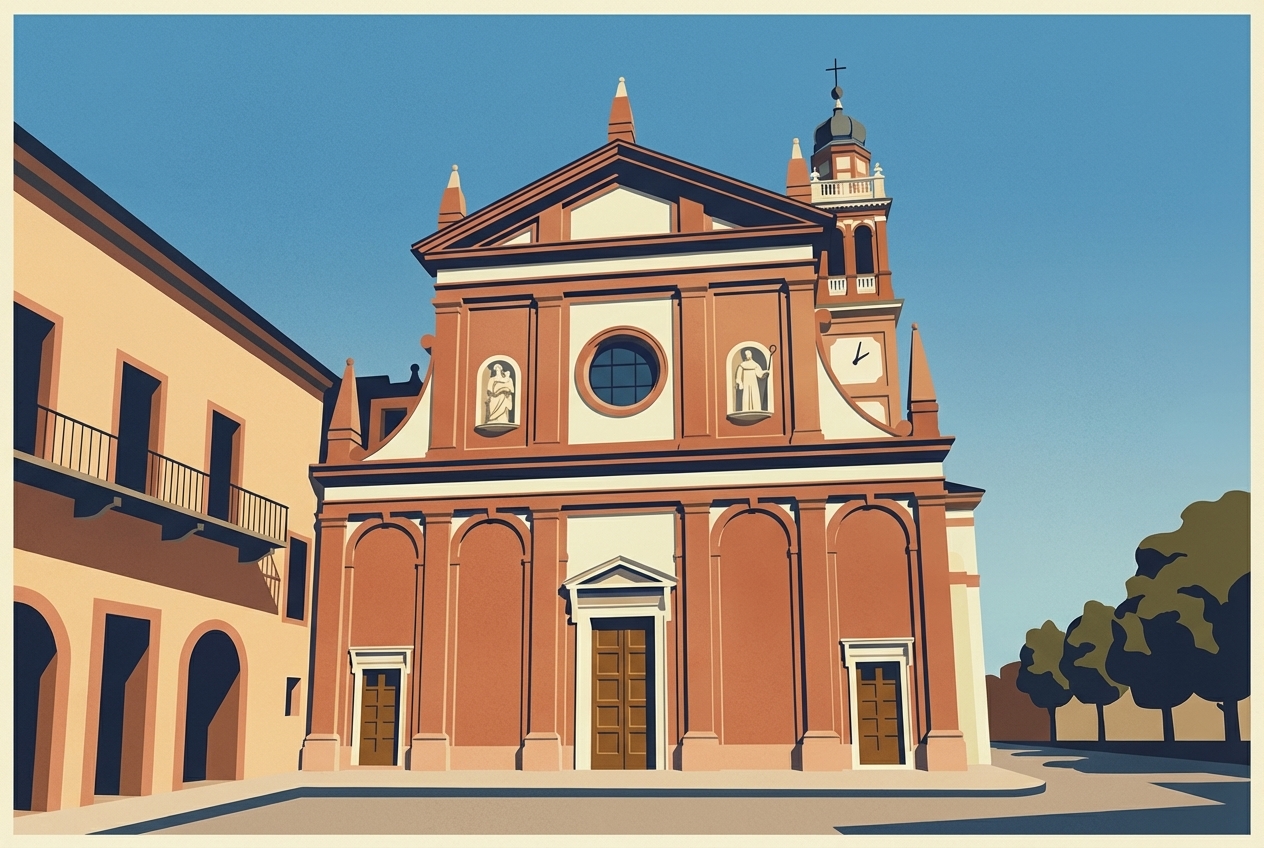
Abbazia S. Maria del Pilastrello

Abbazia SS. Pietro e Andrea

Monastero S. Volto
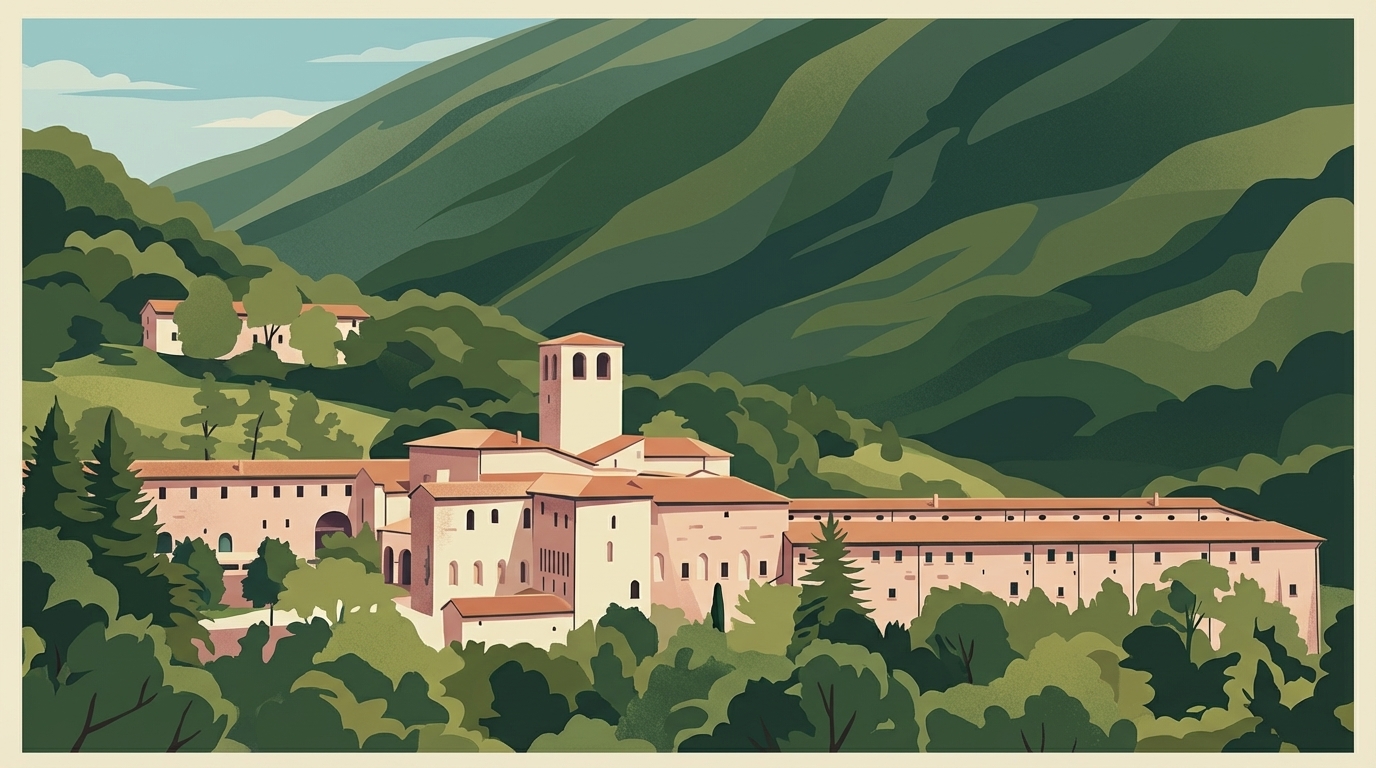
Ven. Eremo di Fonte Avellana

Abbatia di S. Maria - Finalpia
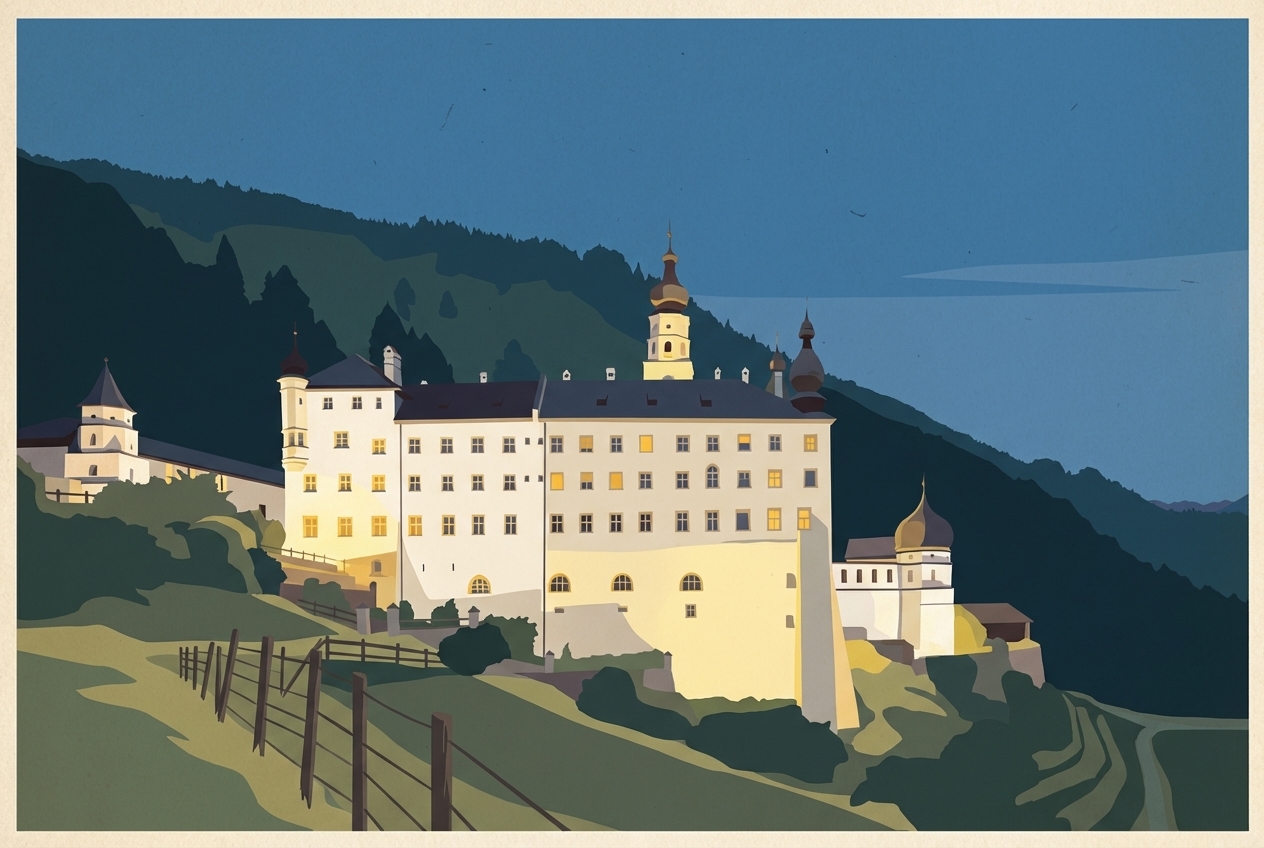
Abtei Marienberg

Monastero dei Ss. Pietro e Paolo

Monastero Santa Maria dei Miracoli

Monastero S. Stefano Protomartire

Badia di Cava
Keep up with the Jubilee!
For the latest news, updates, stories, events, and more, follow us on social media and subscribe to our newsletter.