Abbazia S. Maria di Montevergine
Discover
Abbazia S. Maria di Montevergine
Italy
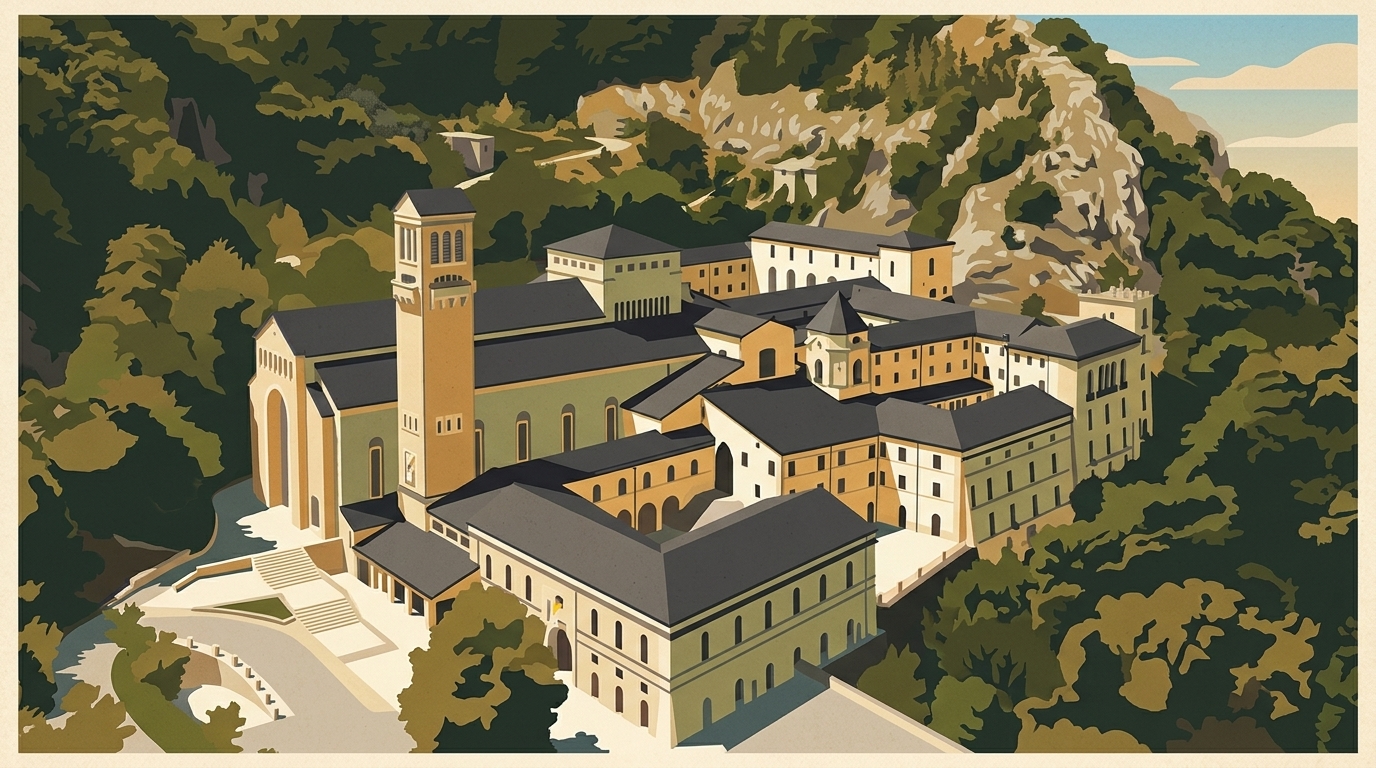
Welcome to the Abbazia di S. Maria di Montevergine, a cherished Benedictine sanctuary perched high on Mount Vergine in Campania, Italy, where faith, history and breathtaking beauty have drawn pilgrims for centuries.

About
Welcome to the Abbey of Santa Maria di Montevergine, a beloved Benedictine sanctuary perched on the heights of Mount Partenio in Campania, where faith, history, and breathtaking beauty have attracted pilgrims for centuries. The sanctuary is home to the venerated icon of the Madonna di Montevergine.
History
In the early decades of the 12th century, Saint William of Vercelli arrived at Montevergine, after a long journey to some of the most important sanctuaries of the time. Returning from Santiago de Compostela, he wished to go to the Holy Land, but he stopped in Irpinia to live as a hermit. His reputation for holiness attracted disciples and faithful, giving rise to a new religious family.
In 1124, he built a church on the mountain in honor of the Mother of God and later founded other monasteries in southern Italy, ending his earthly life in 1142 at the Abbey of San Salvatore del Goleto, in the territory of Sant’Angelo dei Lombardi (AV). His mortal remains returned to Montevergine in 1807.
On June 25, 1942, on the occasion of the eighth centenary of his death, Pope Pius XII proclaimed him the principal patron of Irpinia.
The abbey was united with the Congregation of Subiaco on February 1, 1879, and assigned to the Italian Province on June 15, 1958. Since the time of its founder, the famous sanctuary in honor of the Blessed Virgin Mary, under the title of Montevergine, has been annexed to the monastery.
The Abbey is a layered architectural complex accessible via a 16th-century cloister or an external staircase. Near the entrance, a statue of St. William (the founder) stands on the mountain, while the "Torrione" chapel commemorates a divine apparition.
* The Two Basilicas
The Cathedral (1948–1961): A modern Romanesque masterpiece by Florestano Di Fausto. It features a majestic organ, bronze reliefs by János Hajnal, and a central Pentecost by Piero Casentini. The body of St. William rests beneath the altar.
The Ancient Basilica (17th Century): Rebuilt in Baroque style after a 1629 collapse, it houses the Chapel of the Madonna of Montevergine. Notable features include a 16th-century wooden choir and a bust of St. Januarius, marking where his relics were once kept.
* Key Chapels
Redeemer & Unnailing: These medieval-style chapels flank the ancient altar. The Redeemer chapel holds a 13th-century Cosmatesque ciborium; the "Unnailing" (Schiodazione) chapel features a copy of Rubens' Deposition and various funerary monuments.
The Madonna of Montevergine: This chapel houses the 13th-century icon attributed to Montano d’Arezzo. Depicting the Hodegetria ("She who shows the way"), the Virgin’s intense, penetrating gaze is the focal point of the sanctuary’s devotion.
* Ex-Voto and Monastery Life
The Ex-Voto Room displays centuries of pilgrim offerings and the incorrupt body of Blessed Giulio. Pilgrims also honor the Servant of God, Father Emilio Maria Colombo (1920–2000), whose beatification cause is ongoing.
* Museum and Nativity Display
The Abbey Museum spans 1000sqm, showcasing the 12th-century "Nursing Madonna," a carved abbatial throne, and Caravagesque paintings. The lower level is dedicated to the history of pilgrimage and a vast collection of Neapolitan and international Nativity scenes spanning the 17th to 19th centuries.
Events
No items found.
Stay
The abbey has its own guesthouse to accommodate small groups and families.
Pray
The Holy Rosary is recited on Saturdays and Sundays in the ancient basilica in the presence of the faithful.
Worship
Mass Schedule: | Weekdays: 11:00 AM | Saturday and days before holidays: 11:00 AM and 4:00 PM | Sundays and holidays: 9:30 AM, 11:00 AM, 12:30 PM, and 4:00 PM | Vespers are celebrated in Gregorian chant on Saturdays and Sundays in the ancient basilica in the presence of the faithful.
More places in
Italy

Monastero Ss. Crocifisso e S. Maria
Suore Loretane – Bergamo
Abbazia Benedettina "Mater Ecclesiæ"
Monastero Benedettino di San Clemente
Monastero Mater Ecclesiae
Suore Loretane – Pessano
Monastero di Santa Maria degli Angeli
Monastero S. Cipriano
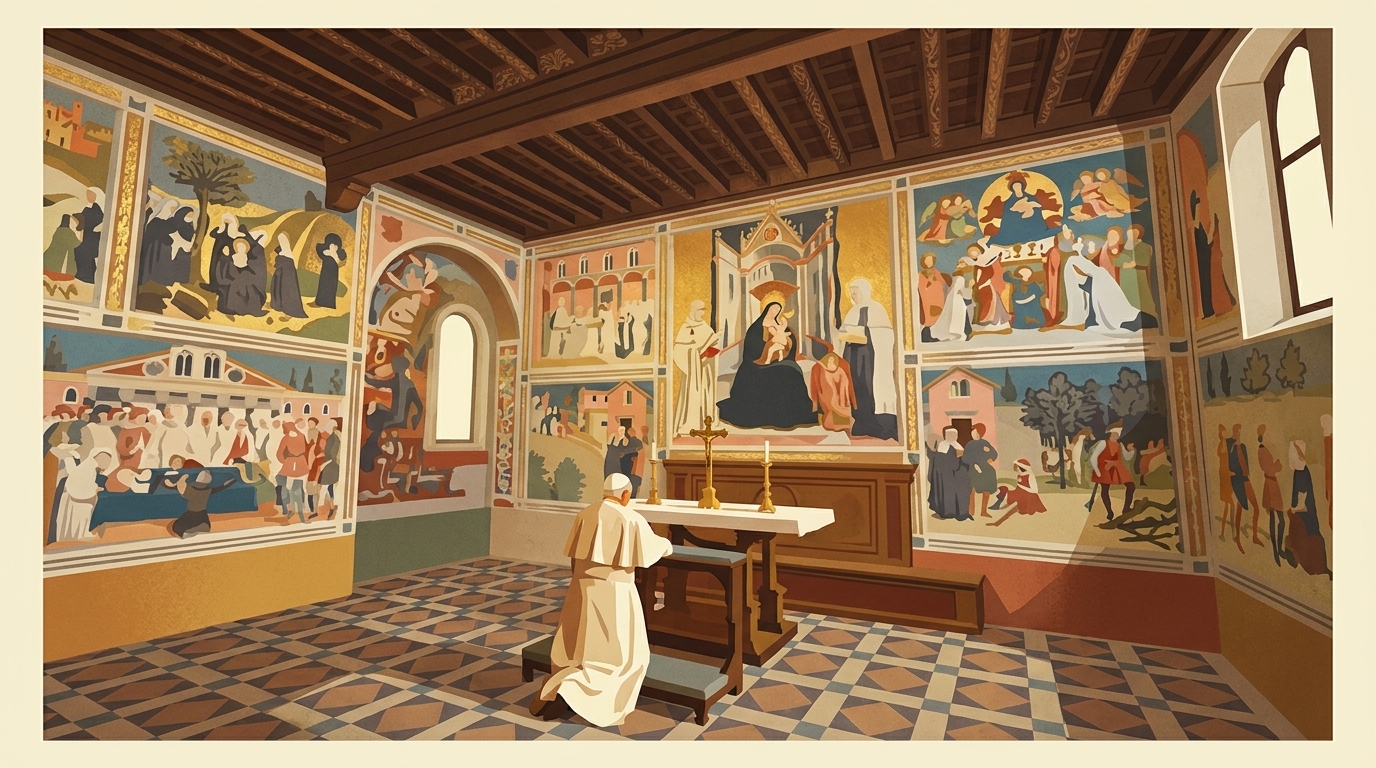
Monastero delle Oblate di santa Francesca Romana di Tor de' Specchi
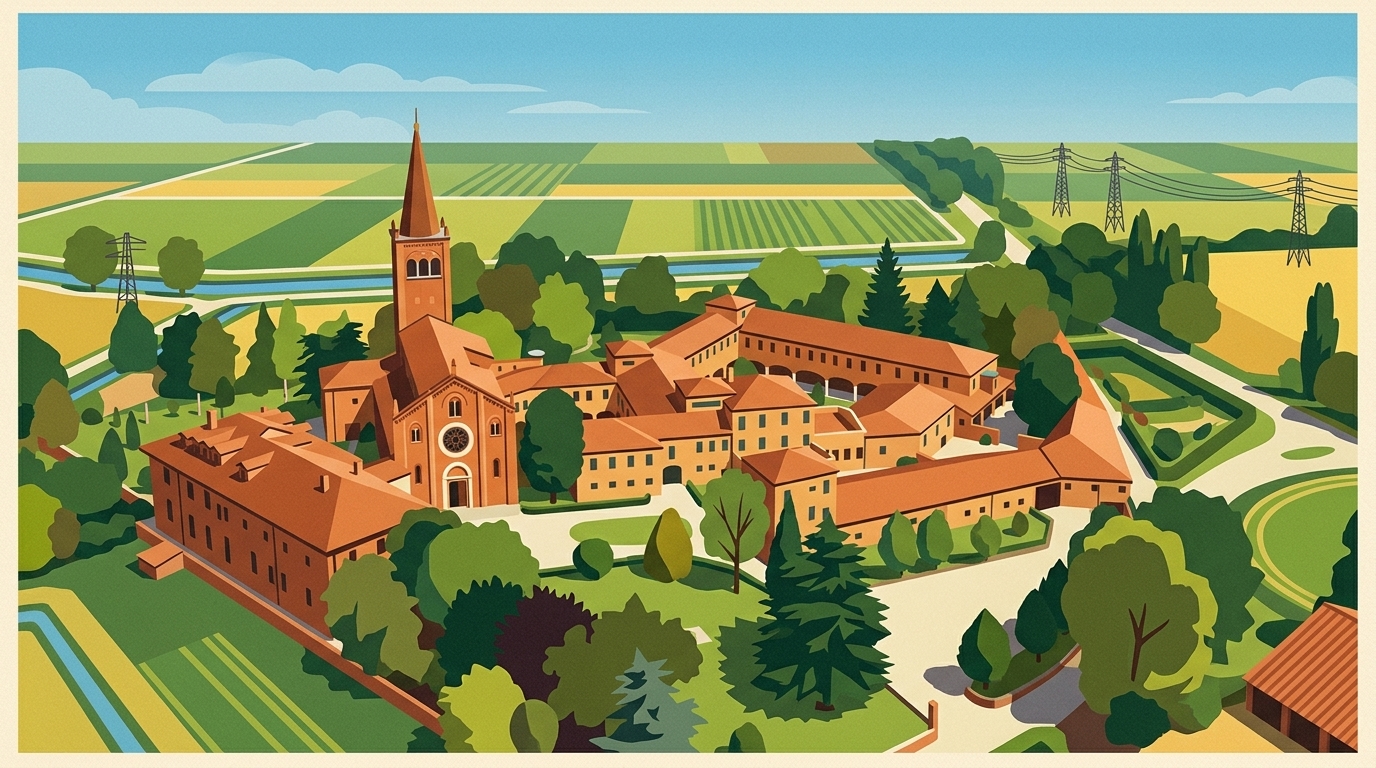
Monastero Benedettine dei Ss. Pietro e Paolo in Viboldone
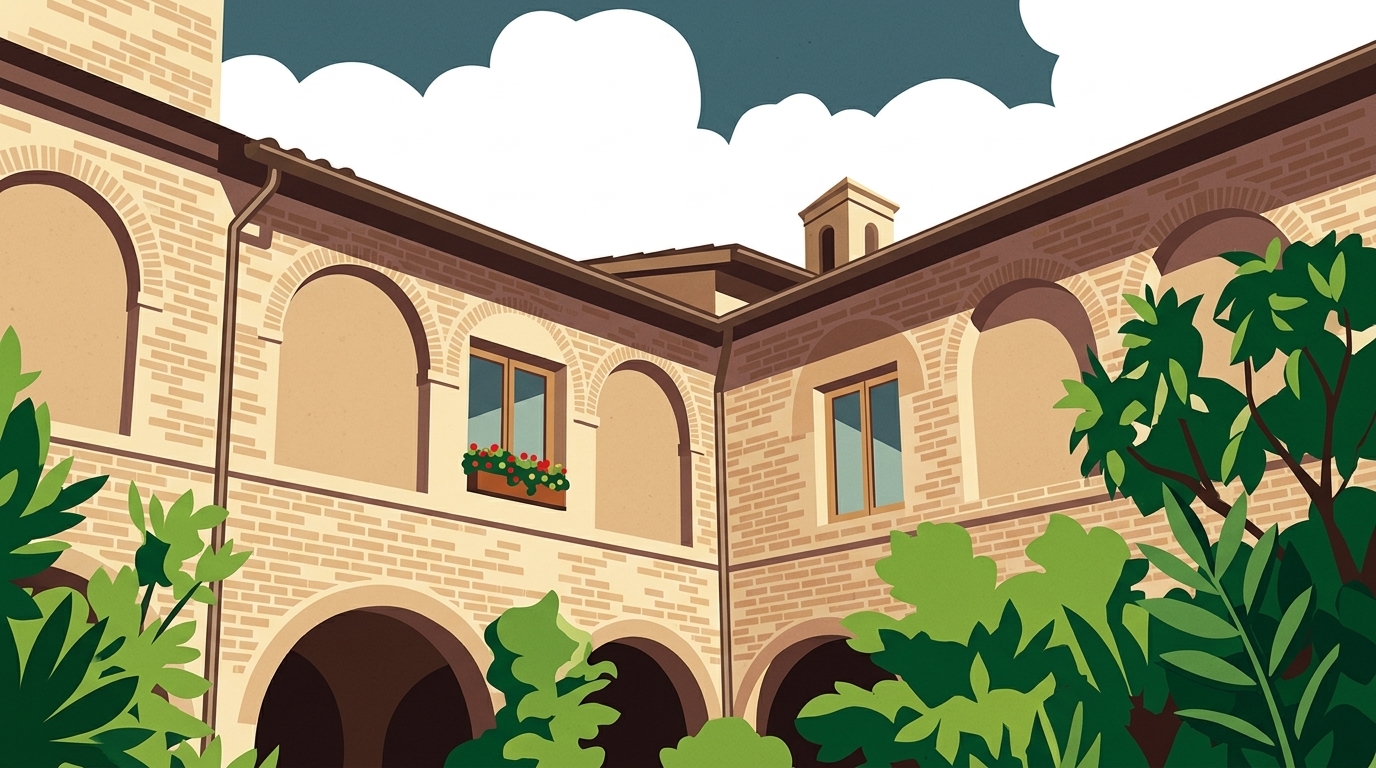
Monastero Benedettino “Santa Margherita”

Monastero S. Giovanni Battista
Monastero di Santa Maria Della Marca
Monastero Benedettino Regina Pacis

Abbatia Sancta Maria de Rosano
Monastero San Luca
Monastero delle benedettine di San Ruggero in Barletta
Abbazia San Giovanni Battista a Monte Mario
Monastero delle Benedettine di S. Cecilia
Monastero delle Benedettine di S. Anna
Abbazia - Monastero Santa Scolastica
Abtei Vom Heiligen Kreuz
Monastero di San Pietro
Monastero di San Benedetto
Monastero San Giacomo
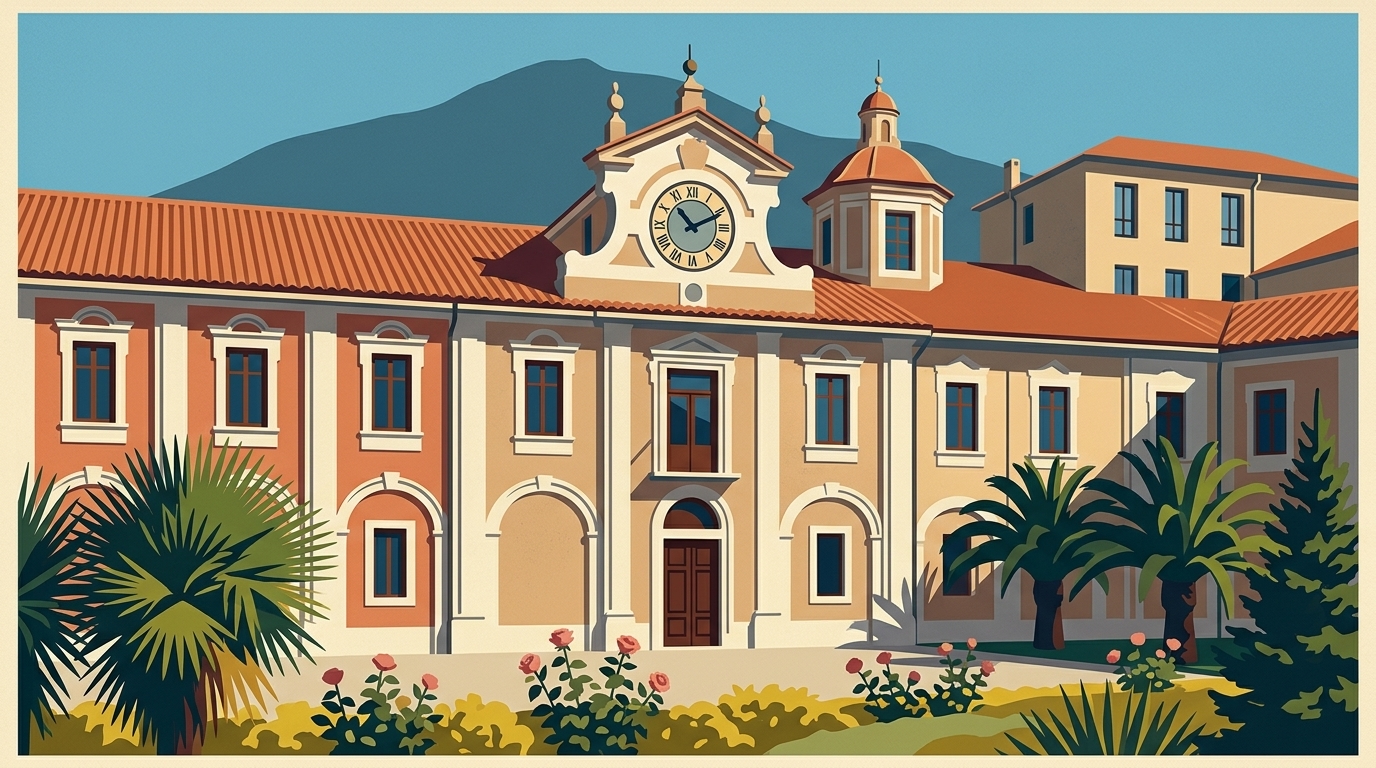
Suore Benedettine di Maria Ss. di Montevergine
Monastero S. Giovanni Evangelista
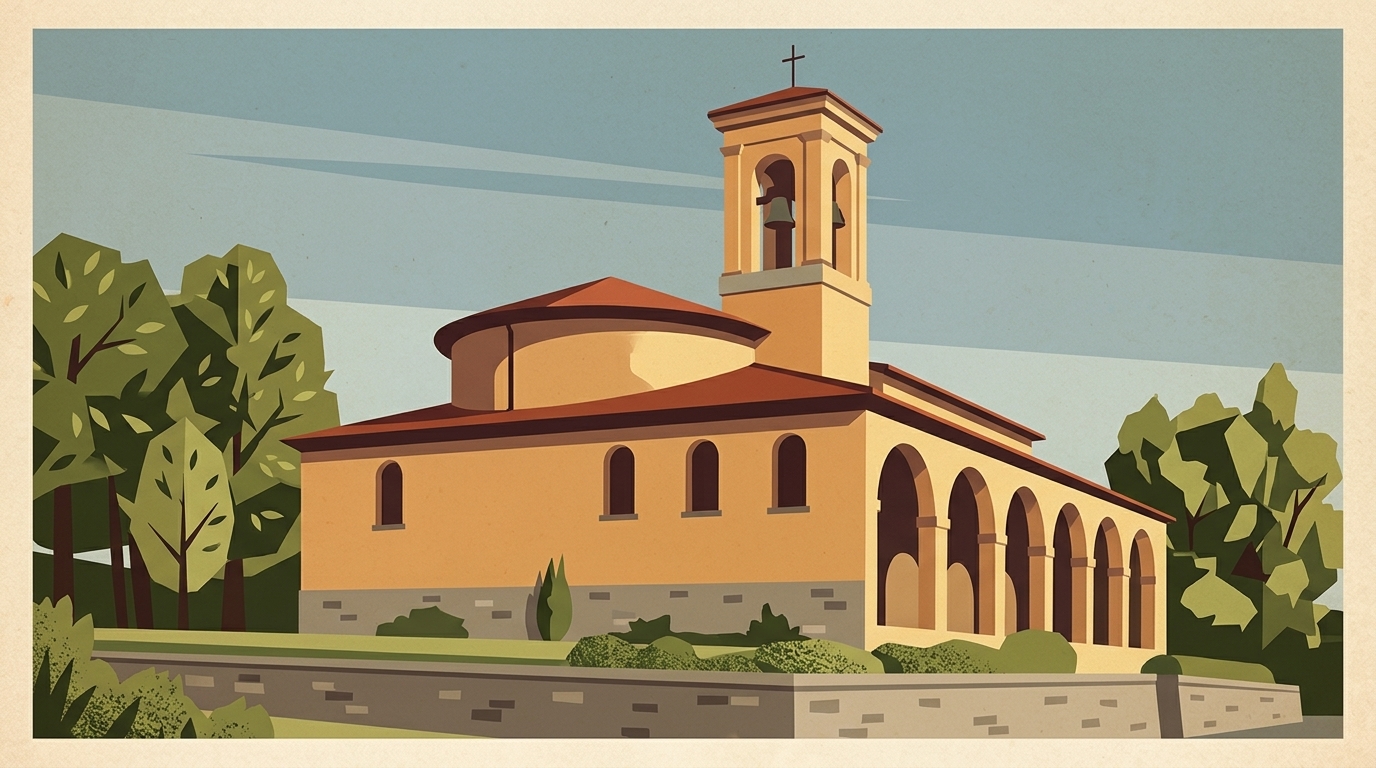
Monastero S. Maria del Fonte
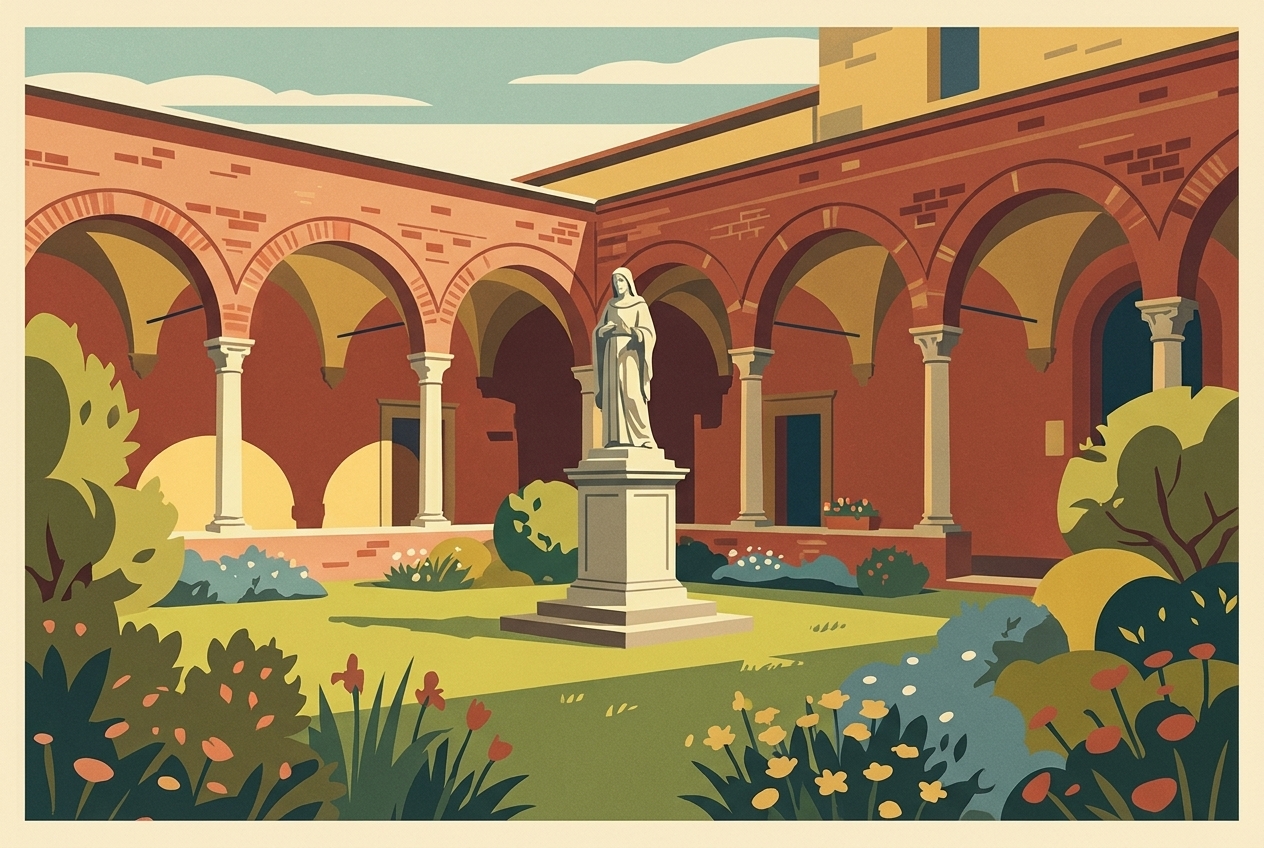
Monastero S. Scolastica
Monastero Ss. Annunziata Benedettine
Archicenobio Benedettino "S. Andrea Ap."
Monastero S. Antonio Abate
Monastero delle Benedettine di Santa Marta in Firenze
Monastero S. Caterina
Monastero San Girolamo
Monastero S. Francesco di Paola – Badia Nuova
Monastero Sant'Antonio Abate
S. Maria Madre della Chiesa e San Benedetto
Monastero di S. Scolastica
Monastero Benedettine San Magno
Monastero San Daniele
San Benedetto in Milano

Monastero “Spirito Santo”
Monastero S. Giuseppe delle Benedettine
Casa Santo Spirito
Monastero Benedettine dell'Immacolata Concezione
Monastero delle Monache Camaldolesi di S. Maglorio
Monastero Santa Caterina D'Alessandria

Monastero del Sacro Cuore
Benedettine dell'Adorazione Perpetua del Ss. Sacramento

Abbazia Primaziale di Sant'Anselmo
Abbazia di Noci
Abbey of San Giovanni Evangelista

Monaci Eremiti Camaldolesi

Abbazia di S. Maria del Monte

Monastero S. Prospero

Abtei Muri-Gries
Abbazia S. Maria
Abbazia di San Paolo Fuori le Mura

Eremo S. Giorgio
Abbazia di Praglia

S. Eremo

Monastero San Gregorio al Celio
Monastero S. Vincenzo Martire

Comunità Monastica di Dumenza
Abbazia dei Santi Nicola e Paolo VI

Santuario della Madonna di Barbana
Abbazia di San Giorgio Maggiore

Monastero S. Teresa d'Avila
Eremo di Monte Giove
Monastero Beato Giuseppe Benedetto Dusmet

Abbazia San Benedetto
Abbazia di Santa Giustina - Padova
Abbazia di Farfa

Monastero di Santa Scolastica e del Sacro Speco di San Benedetto

Monastero S. Maria delle Grazie
Curia Generalizia della Congregazione Sublacense Cassinese dell'Ordine di San Benedetto
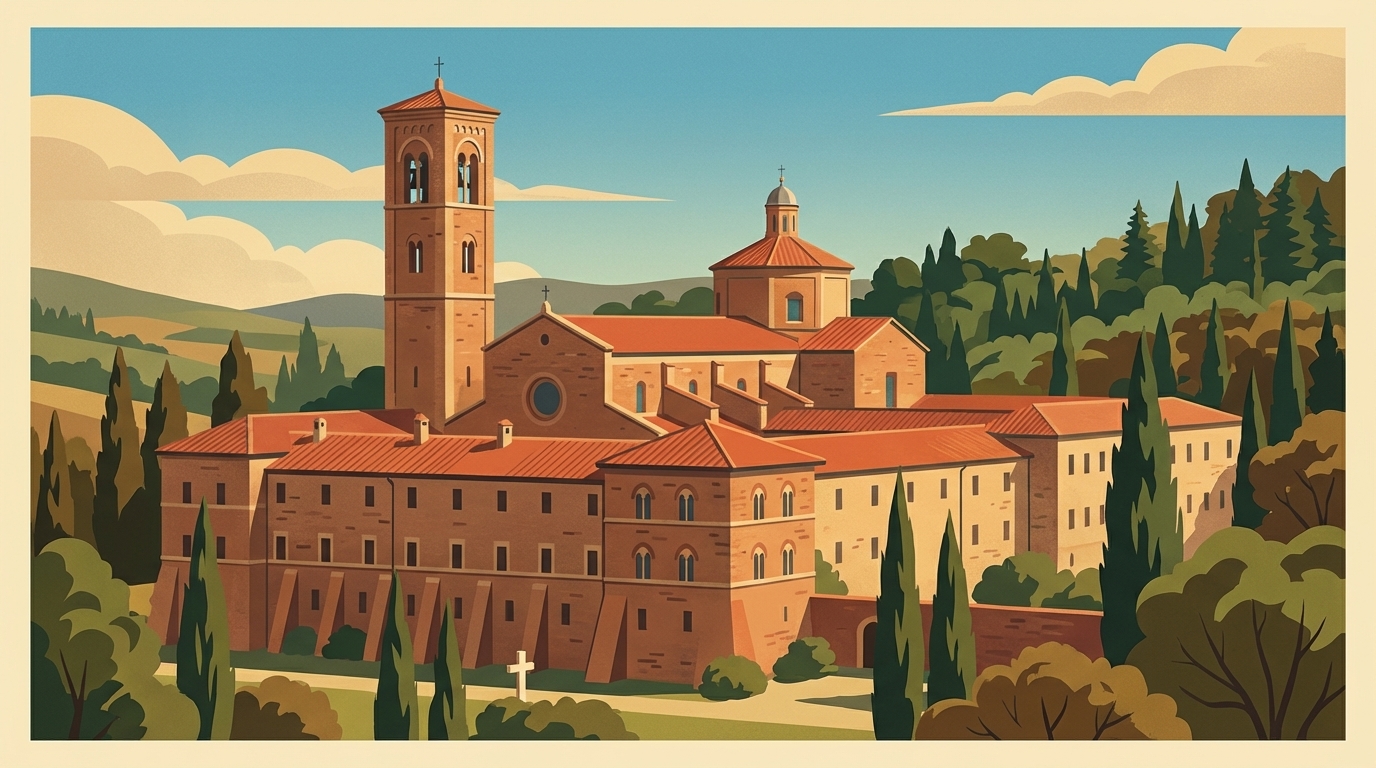
Abbazia Monte Oliveto Maggiore

Monastero Benedettino San Pietro di Sorres

Abbazia di San Benedetto in Monte

Abbazia del Goleto
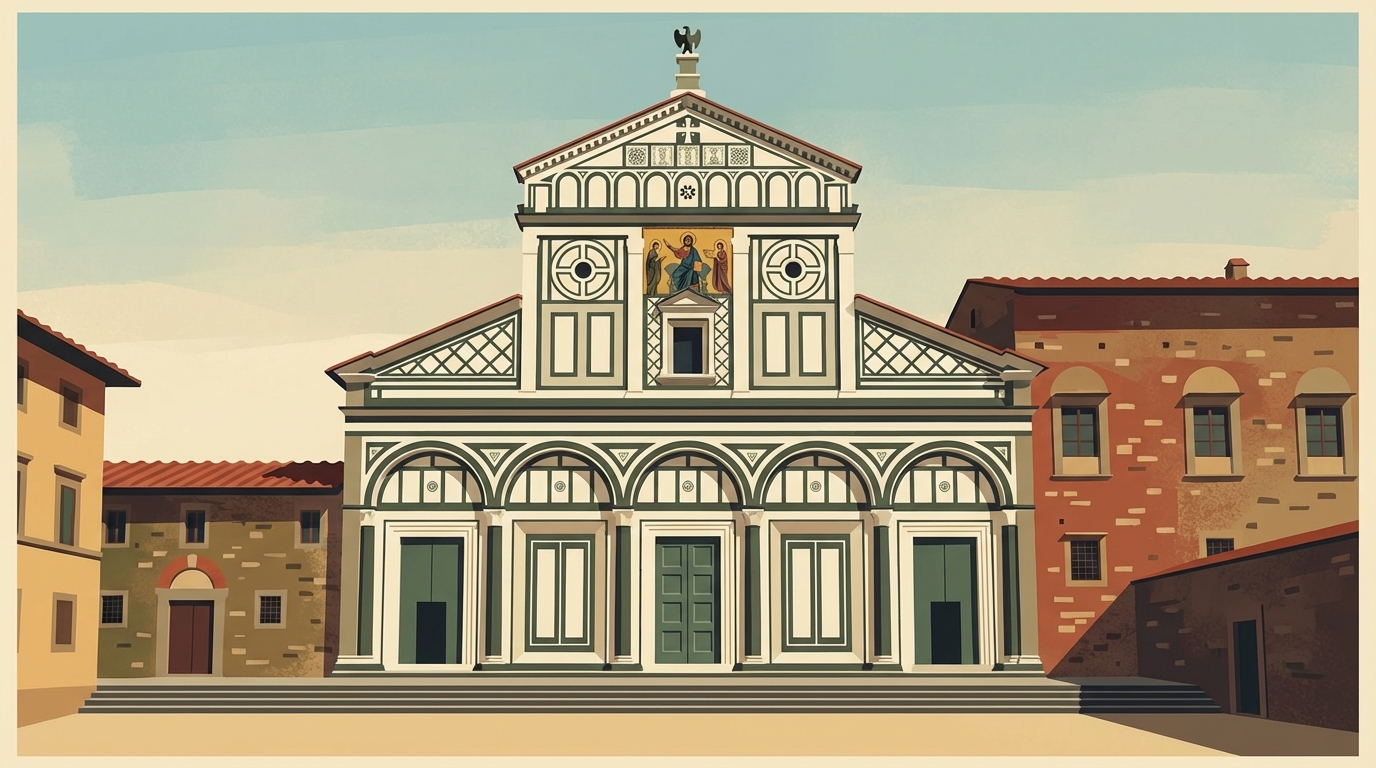
Abbazia San Miniato al Monte

Monastero di S. Prassede

Monastero dei SS. Pietro e Paolo

Abbazia Territoriale di Montecassino

Santuario del Monte della Madonna
Monastero

Monastero di S. Michele

Badia Santa Maria della Neve in Torrechiara

Monastero S. Silvestro Abate

Monastero S. Trinita
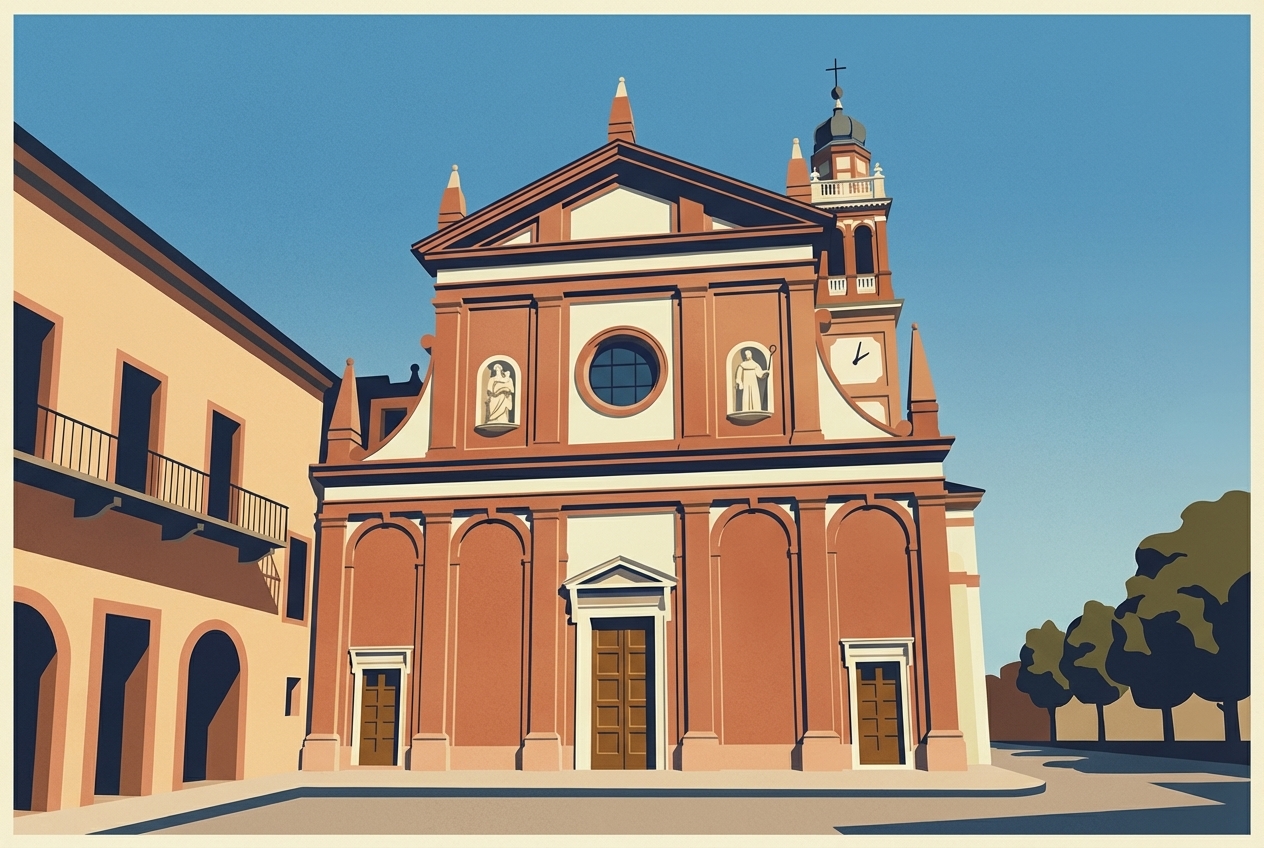
Abbazia S. Maria del Pilastrello

Abbazia SS. Pietro e Andrea

Monastero S. Volto
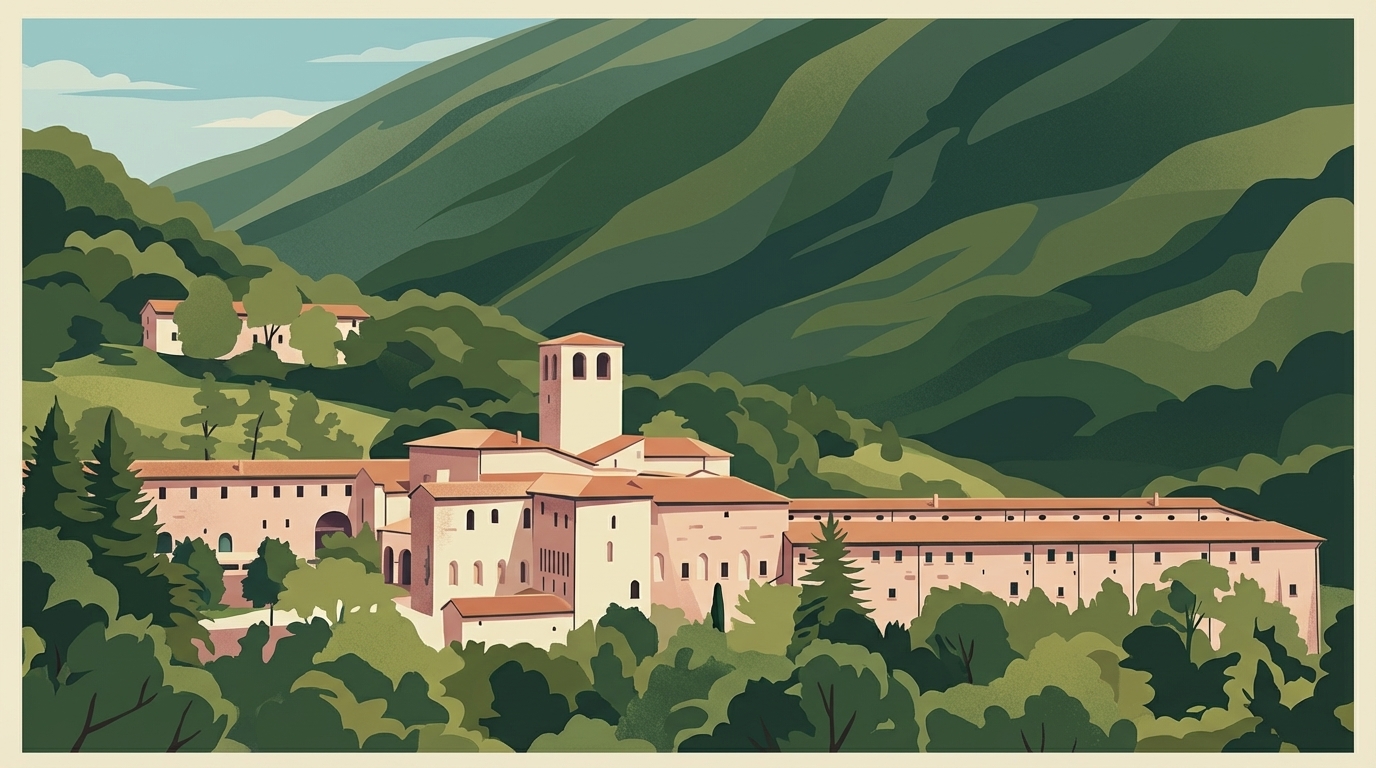
Ven. Eremo di Fonte Avellana

Abbatia di S. Maria - Finalpia
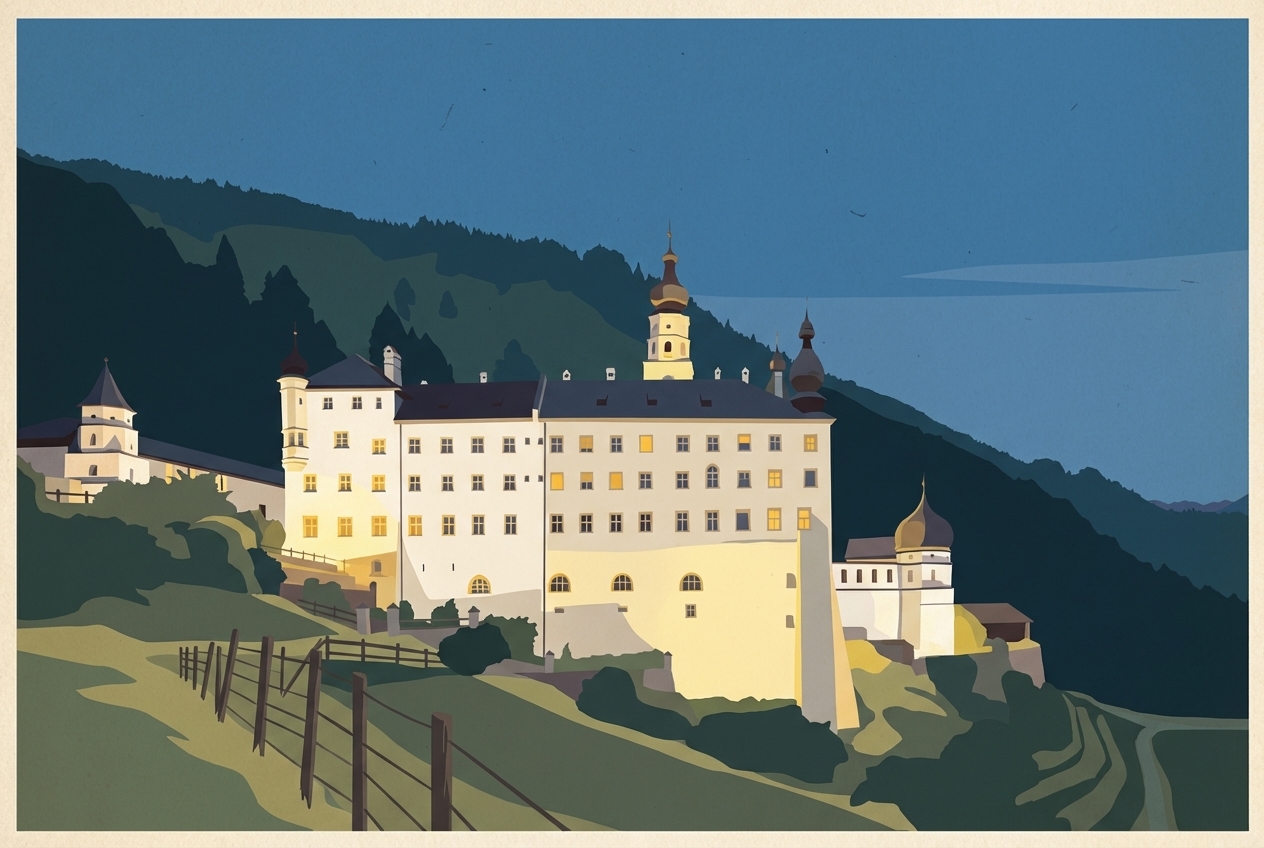
Abtei Marienberg

Monastero dei Ss. Pietro e Paolo

Monastero Santa Maria dei Miracoli

Monastero S. Stefano Protomartire
Keep up with the Jubilee!
For the latest news, updates, stories, events, and more, follow us on social media and subscribe to our newsletter.