Abbey of San Giovanni Evangelista
Discover
Abbey of San Giovanni Evangelista
Italy
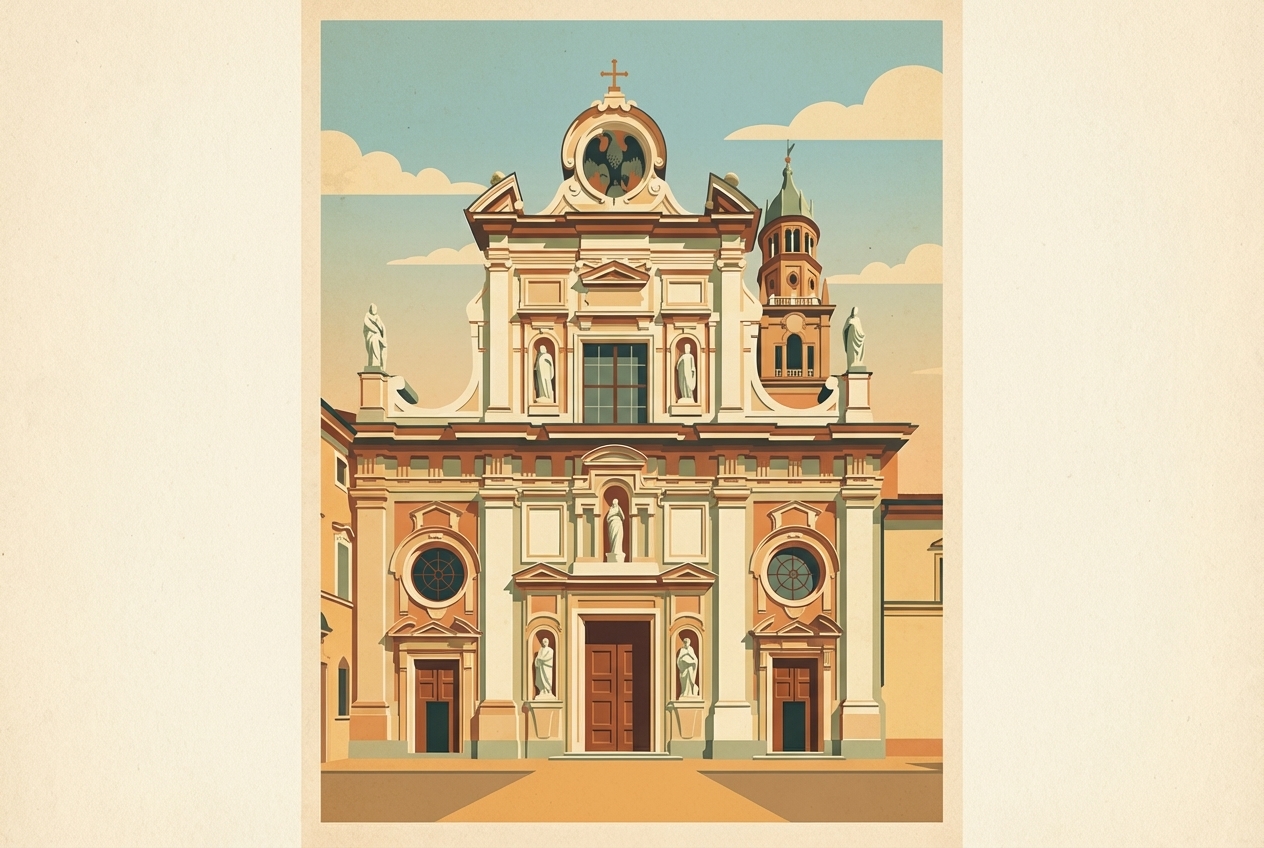
Welcome to the Abbey of San Giovanni Evangelista, a cherished Benedictine community in the heart of Parma, Italy, founded in 980. We are so glad you are here with us.

About
Monastic community belonging to the Italian Province of the Subiaco Cassinese Congregation of the Order of Saint Benedict, founded in 980.
History
The Monastery of San Giovanni Evangelista stands in the heart of the historic center of Parma, just a few meters from the Cathedral of Santa Maria Assunta.
In 980, Bishop Sigefredo II built a small monastery "outside but near the city walls," which he entrusted to the sons of Saint Benedict. The first abbot of the new community was Giovanni, a canon of the nearby cathedral, who is venerated as a saint and co-patron of the city together with Hilary of Poitiers.
In 1477, after the community of San Giovanni joined the Congregation of Unity of Santa Giustina, the monks undertook the renovation of the Monastery, which had been completely destroyed by a fire during previous struggles for supremacy among local lords.
In 1510, the first works of a much larger complex were completed, structured around three cloisters and rich in works of art, a pride of the Parmese Renaissance. The abbey church boasts frescoes by Correggio, Parmigianino, Anselmi, and works by many other important painters.
Over the centuries, the monastic complex has undergone expansions but also disfigurements, due to many necessary adaptations and also to the sad events that followed: the French occupations of the 18th century, three suppressions during the 19th century, up to the definitive expulsion of the community and the confiscation of its assets. Even today, the Monastery is state property.
The community, reconstituted at the end of the 19th century at the Abbey of Torrechiara, tried several times to regain possession of the Monastery. Finally, in 1920, Abbot Emanuele Caronti was granted permission to reoccupy part of the premises, which in the meantime the Ministry of War had transformed into the Ulrico Tonti Barracks. In 1945, the Monastic Community regained full use of the Monastery, returning from the Abbey of Torrechiara.
The Monastery is associated, as a dependent house, with the Abbey of Santa Maria della Neve in Torrechiara.
Currently, the Community is composed of 7 monks, 6 of whom are priests.
Events
No items found.
Stay
The community is pleased to welcome all those who wish to stop for a moment of silence, reflection, prayer, or fraternal sharing.
For stays at the Monastery of San Giovanni: info@monasterosangiovanni.com
For stays at the Abbey of Torrechiara: badiatorrechiara@gmail.com
Pray
Community prayer:
Every day
7:30 am Morning Lauds,
6:30 pm Vespers (6:15 pm on Sundays, with Eucharistic Adoration).
Worship
Mass times:
Holiday schedule 12:00 pm and 7:00 pm,
Weekday schedule 7:00 pm
More places in
Italy

Monastero Ss. Crocifisso e S. Maria
Suore Loretane – Bergamo
Abbazia Benedettina "Mater Ecclesiæ"
Monastero Benedettino di San Clemente
Monastero Mater Ecclesiae
Suore Loretane – Pessano
Monastero di Santa Maria degli Angeli
Monastero S. Cipriano
Monastero delle Oblate di santa Francesca Romana di Tor de' Specchi
Monastero Benedettine dei Ss. Pietro e Paolo in Viboldone
Monastero Benedettino “Santa Margherita”

Monastero S. Giovanni Battista
Monastero di Santa Maria Della Marca
Monastero Benedettino Regina Pacis

Abbatia Sancta Maria de Rosano
Monastero San Luca
Monastero delle benedettine di San Ruggero in Barletta
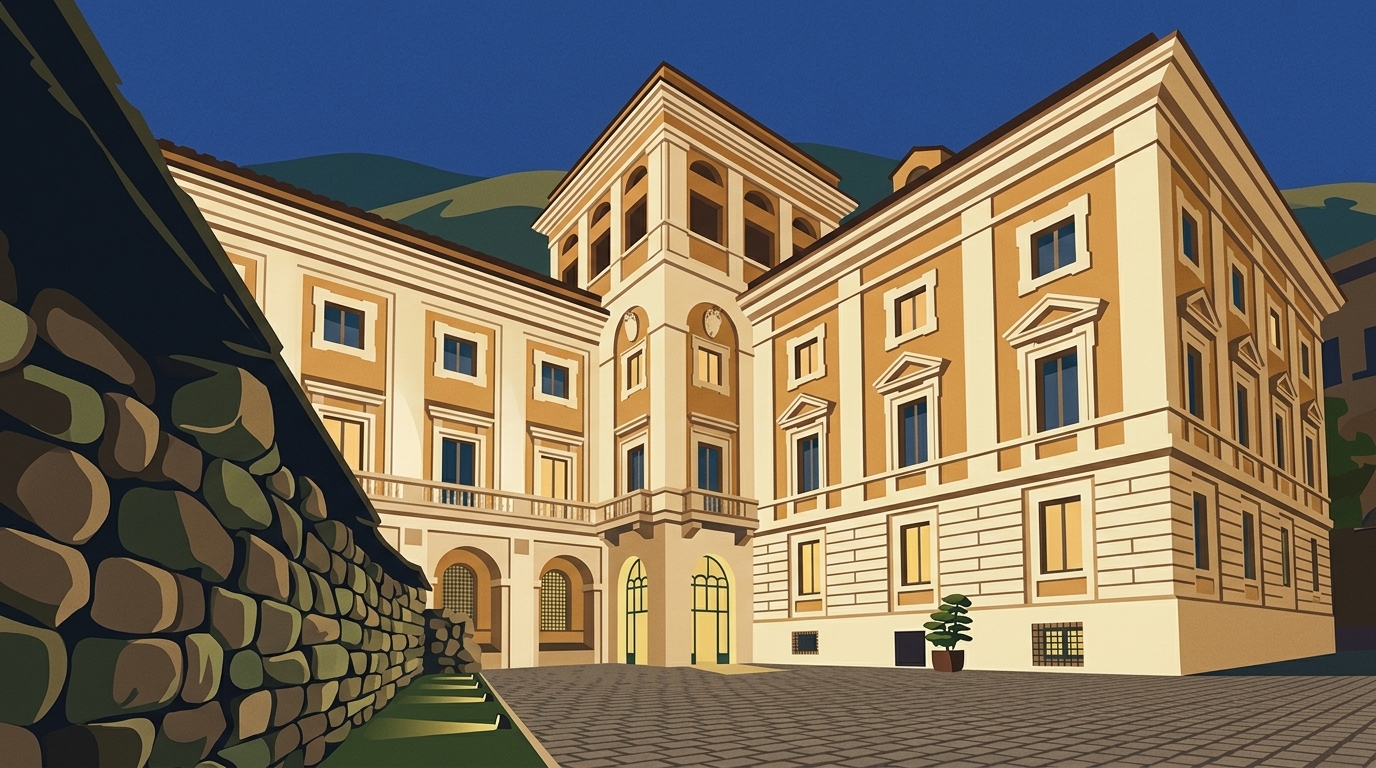
Abbazia San Giovanni Battista a Monte Mario
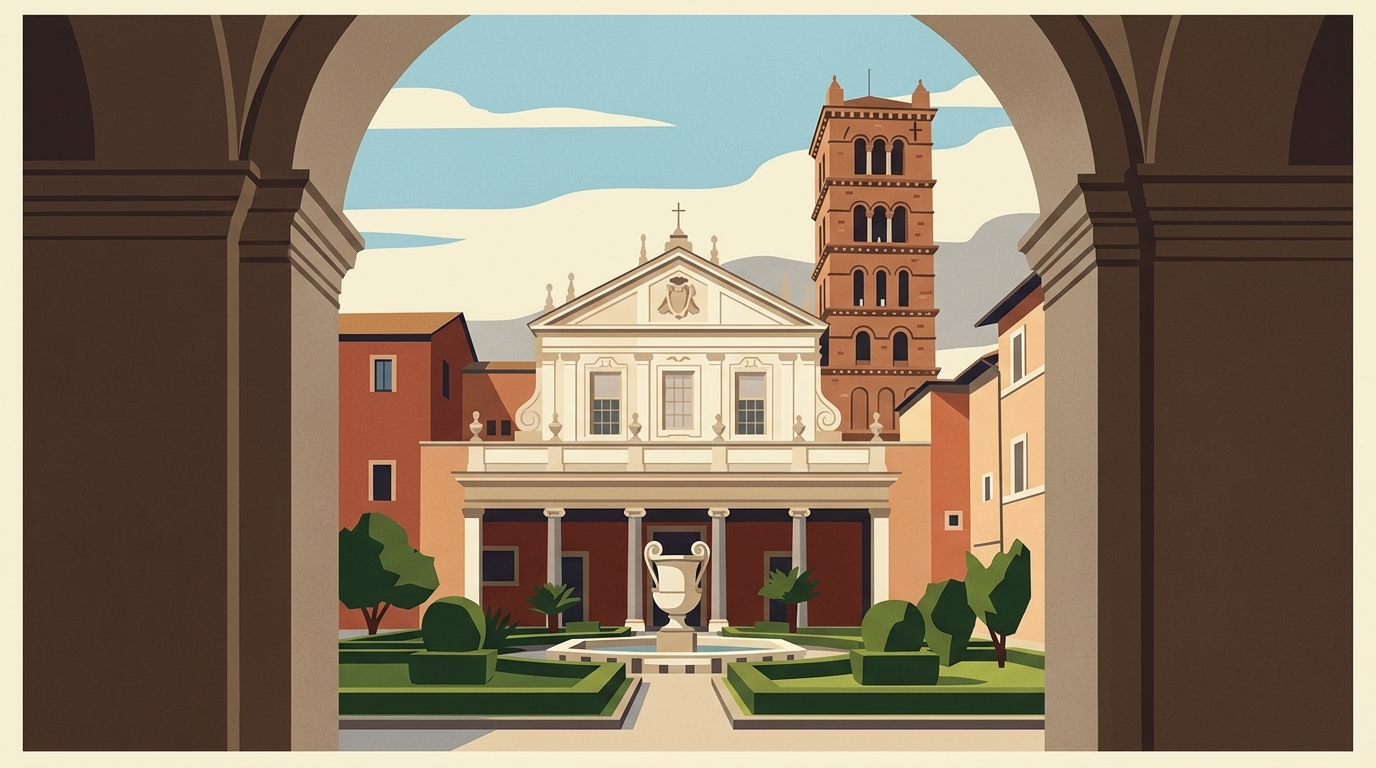
Monastero delle Benedettine di S. Cecilia
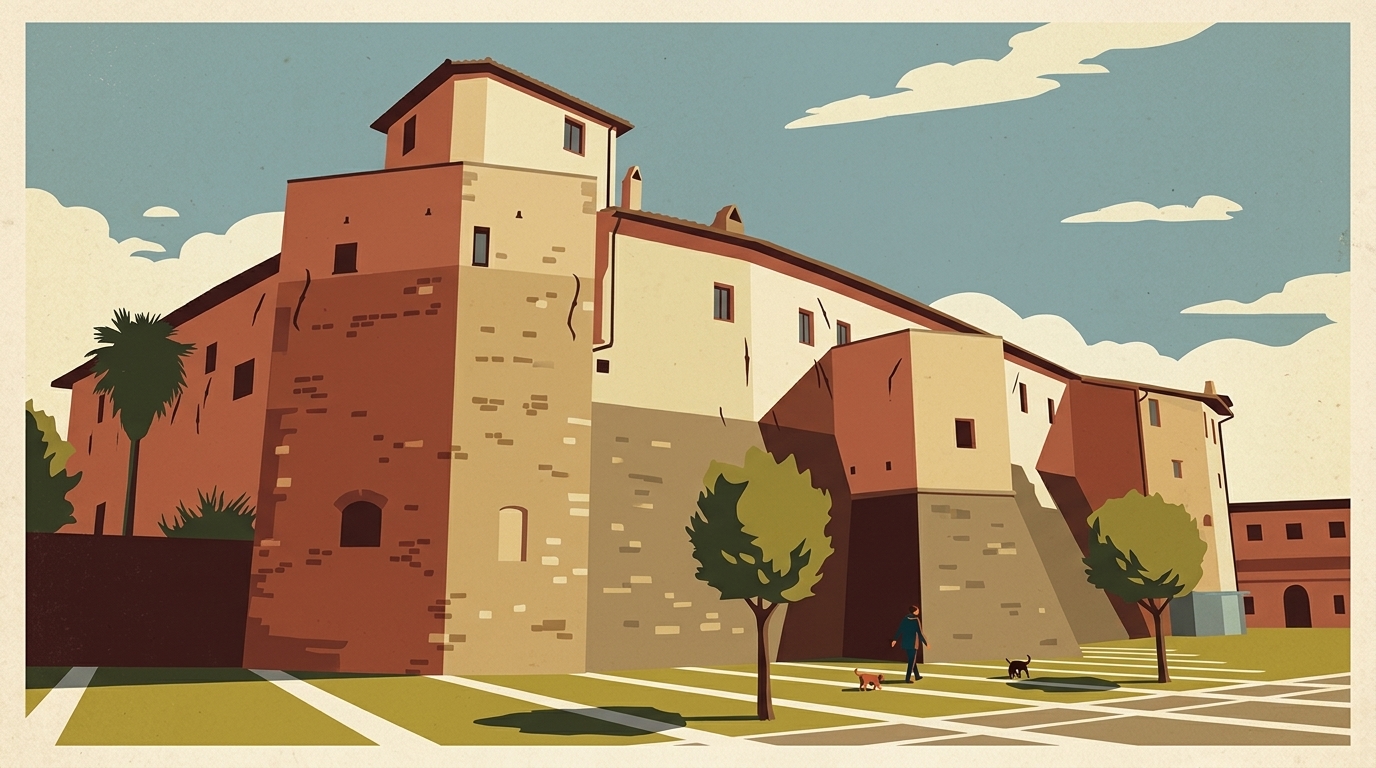
Monastero delle Benedettine di S. Anna
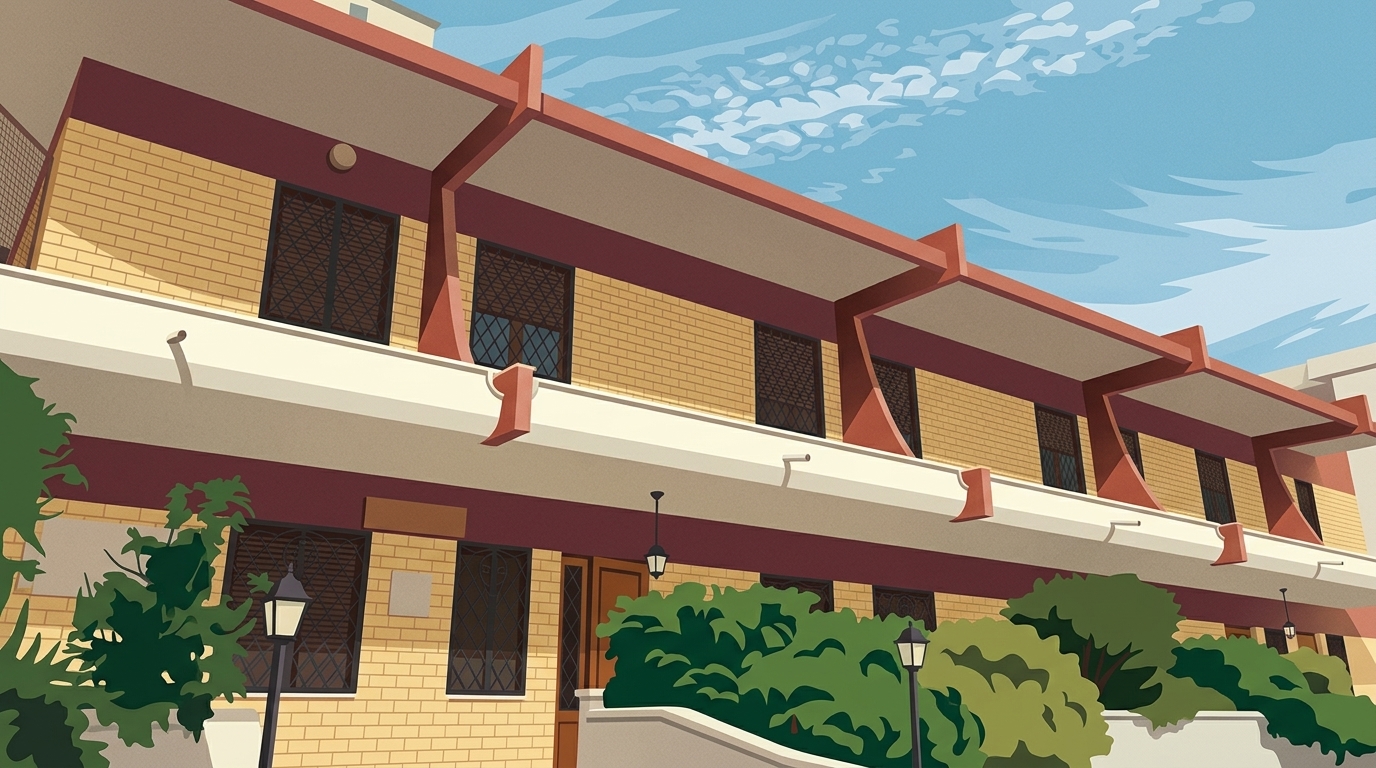
Abbazia - Monastero Santa Scolastica
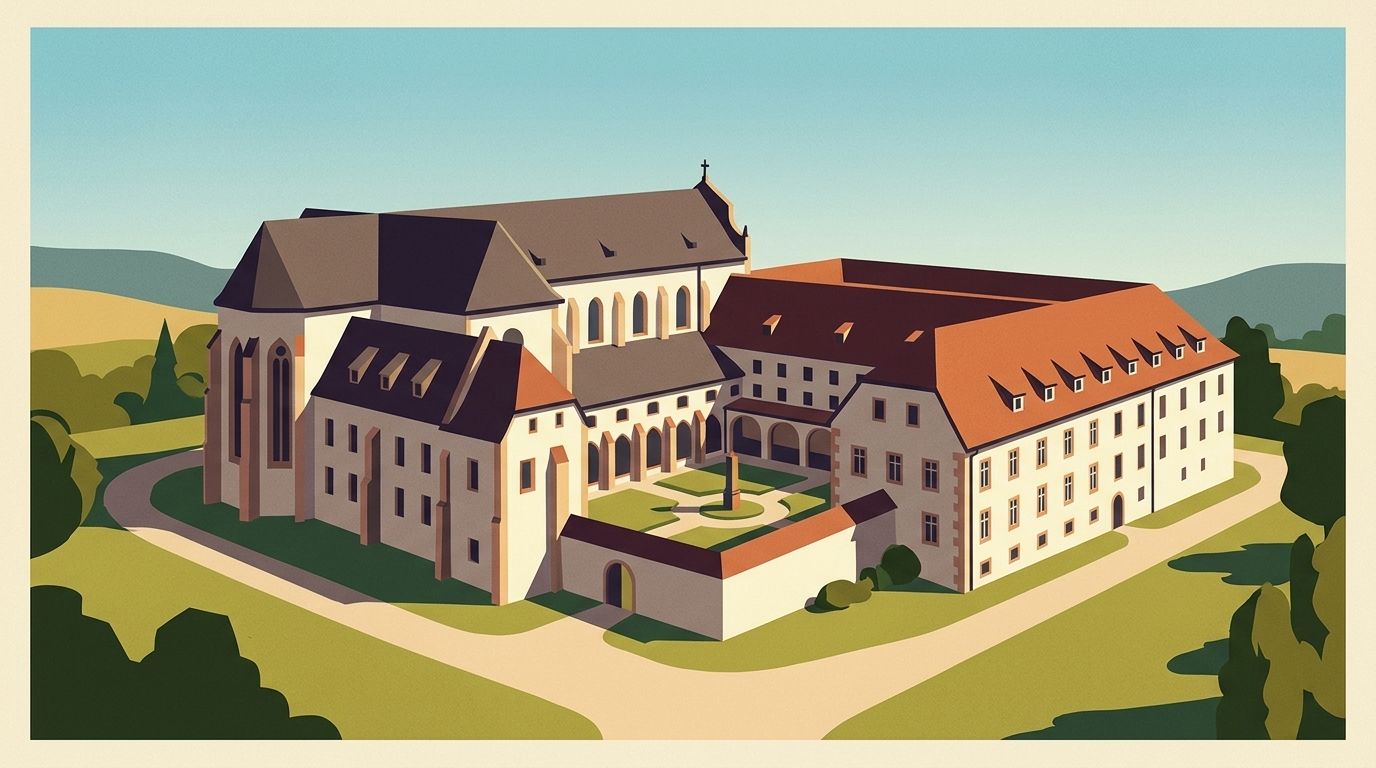
Abtei Vom Heiligen Kreuz
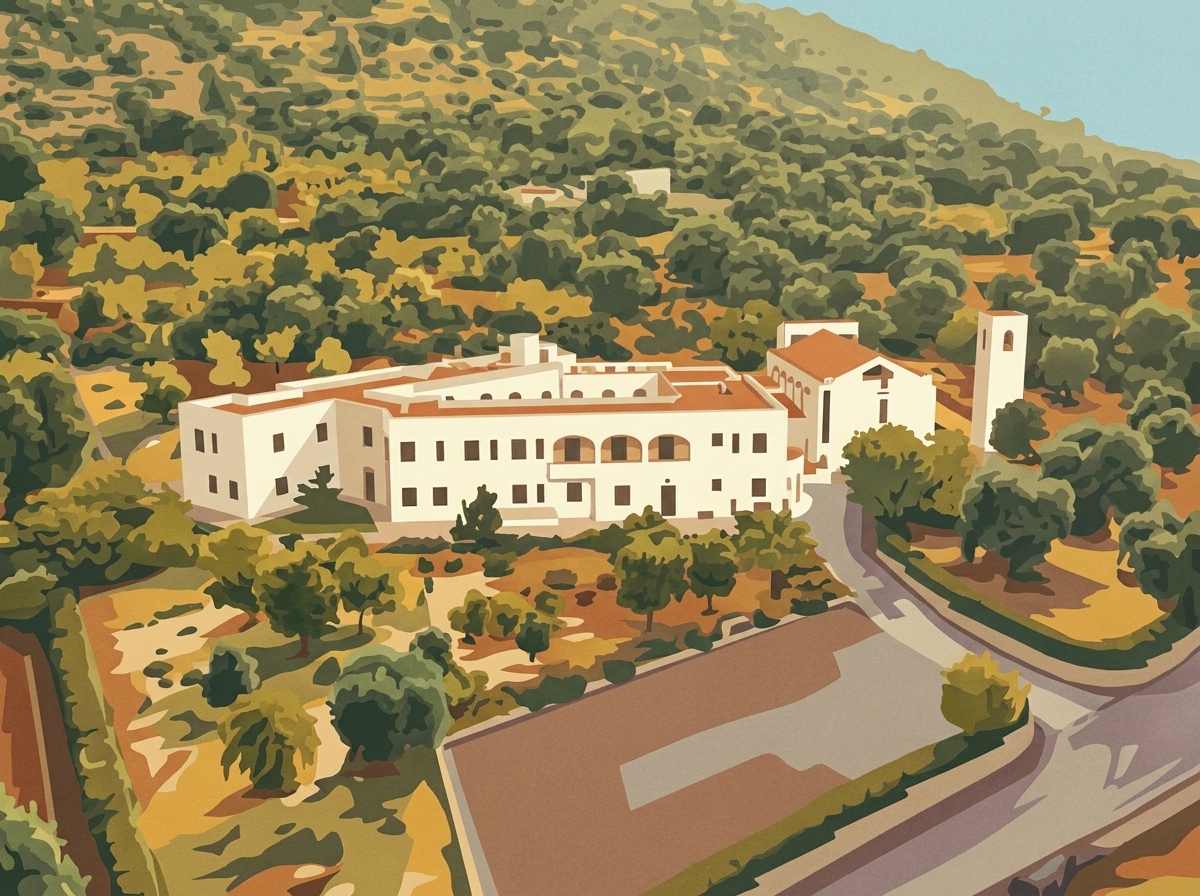
Monastero di San Pietro
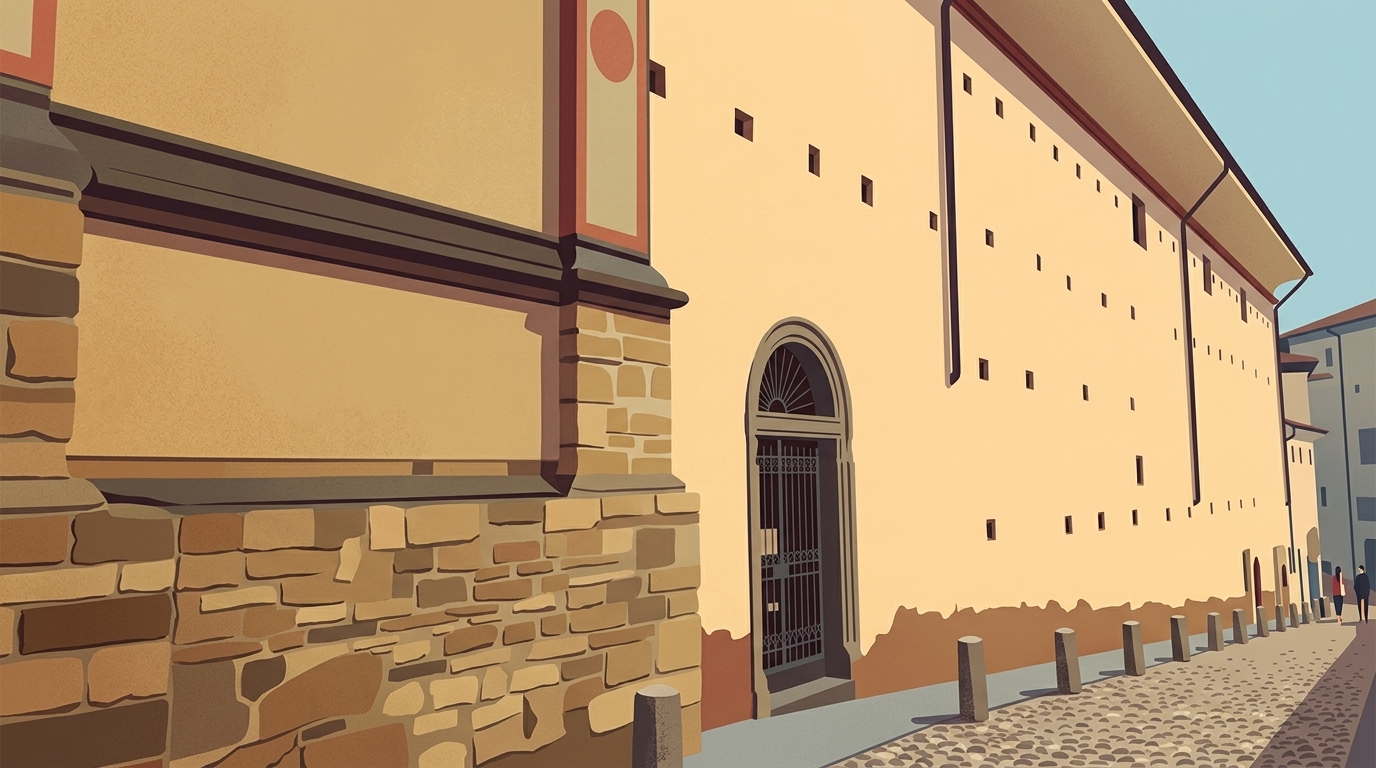
Monastero di San Benedetto
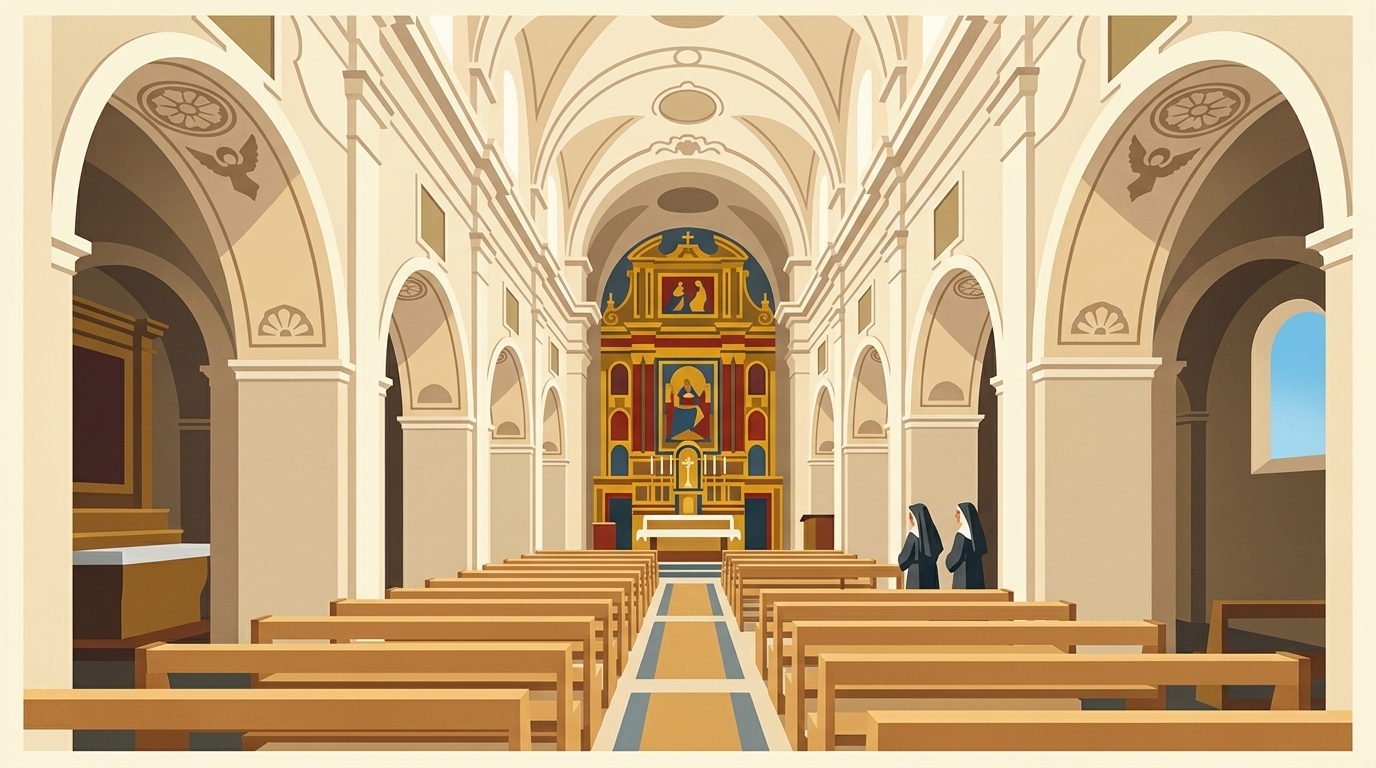
Monastero San Giacomo
Suore Benedettine di Maria Ss. di Montevergine
Monastero S. Giovanni Evangelista
Monastero S. Maria del Fonte
Monastero S. Scolastica
Monastero Ss. Annunziata Benedettine
Archicenobio Benedettino "S. Andrea Ap."
Monastero S. Antonio Abate
Monastero delle Benedettine di Santa Marta in Firenze
Monastero S. Caterina
Monastero San Girolamo
Monastero S. Francesco di Paola – Badia Nuova
Monastero Sant'Antonio Abate
S. Maria Madre della Chiesa e San Benedetto
Monastero di S. Scolastica
Monastero Benedettine San Magno
Monastero San Daniele
San Benedetto in Milano

Monastero “Spirito Santo”
Monastero S. Giuseppe delle Benedettine
Casa Santo Spirito
Monastero Benedettine dell'Immacolata Concezione
Monastero delle Monache Camaldolesi di S. Maglorio
Monastero Santa Caterina D'Alessandria

Monastero del Sacro Cuore
Benedettine dell'Adorazione Perpetua del Ss. Sacramento

Abbazia Primaziale di Sant'Anselmo
Abbazia di Noci

Monaci Eremiti Camaldolesi

Abbazia di S. Maria del Monte

Monastero S. Prospero

Abtei Muri-Gries
Abbazia S. Maria
Abbazia di San Paolo Fuori le Mura

Eremo S. Giorgio
Abbazia di Praglia

S. Eremo

Monastero San Gregorio al Celio
Monastero S. Vincenzo Martire

Comunità Monastica di Dumenza
Abbazia dei Santi Nicola e Paolo VI

Santuario della Madonna di Barbana
Abbazia di San Giorgio Maggiore

Monastero S. Teresa d'Avila
Eremo di Monte Giove
Monastero Beato Giuseppe Benedetto Dusmet

Abbazia San Benedetto
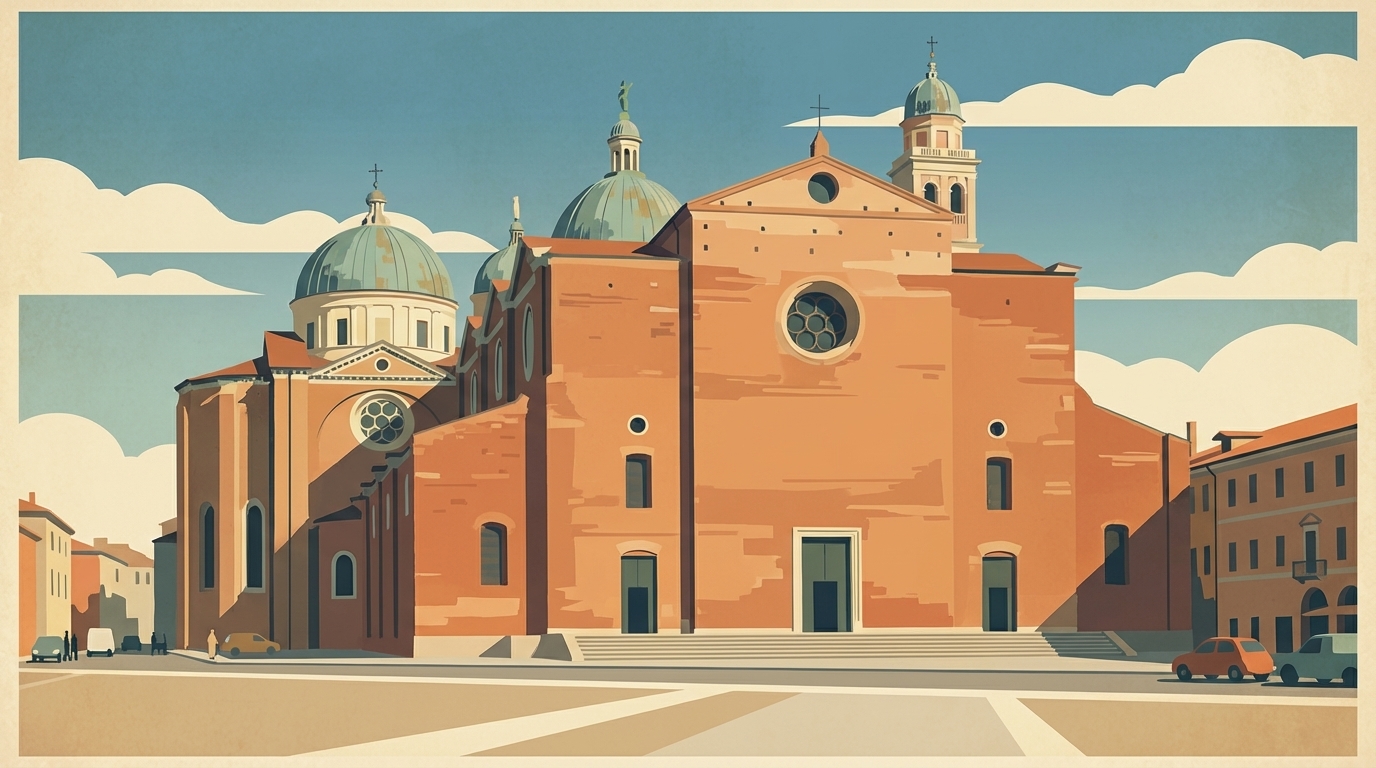
Abbazia di Santa Giustina - Padova
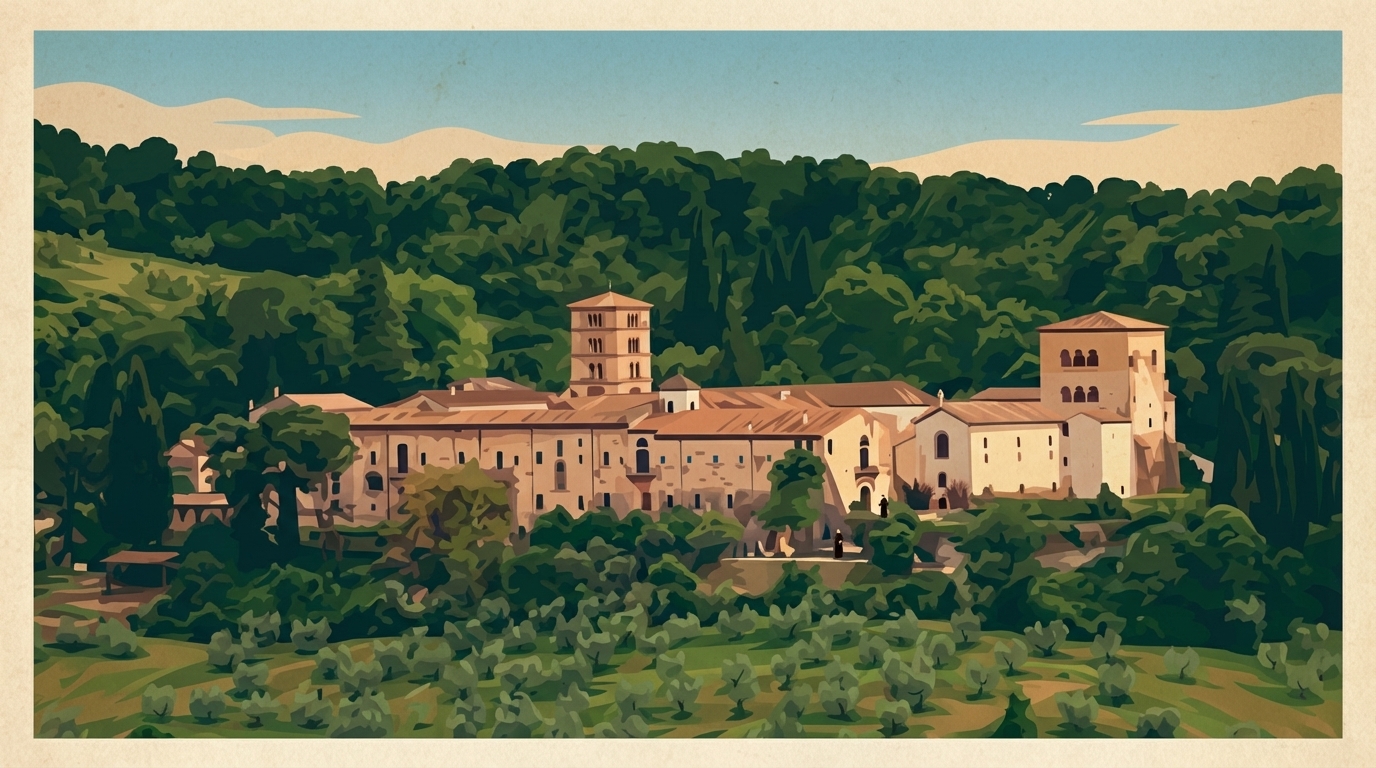
Abbazia di Farfa

Monastero di Santa Scolastica e del Sacro Speco di San Benedetto

Monastero S. Maria delle Grazie
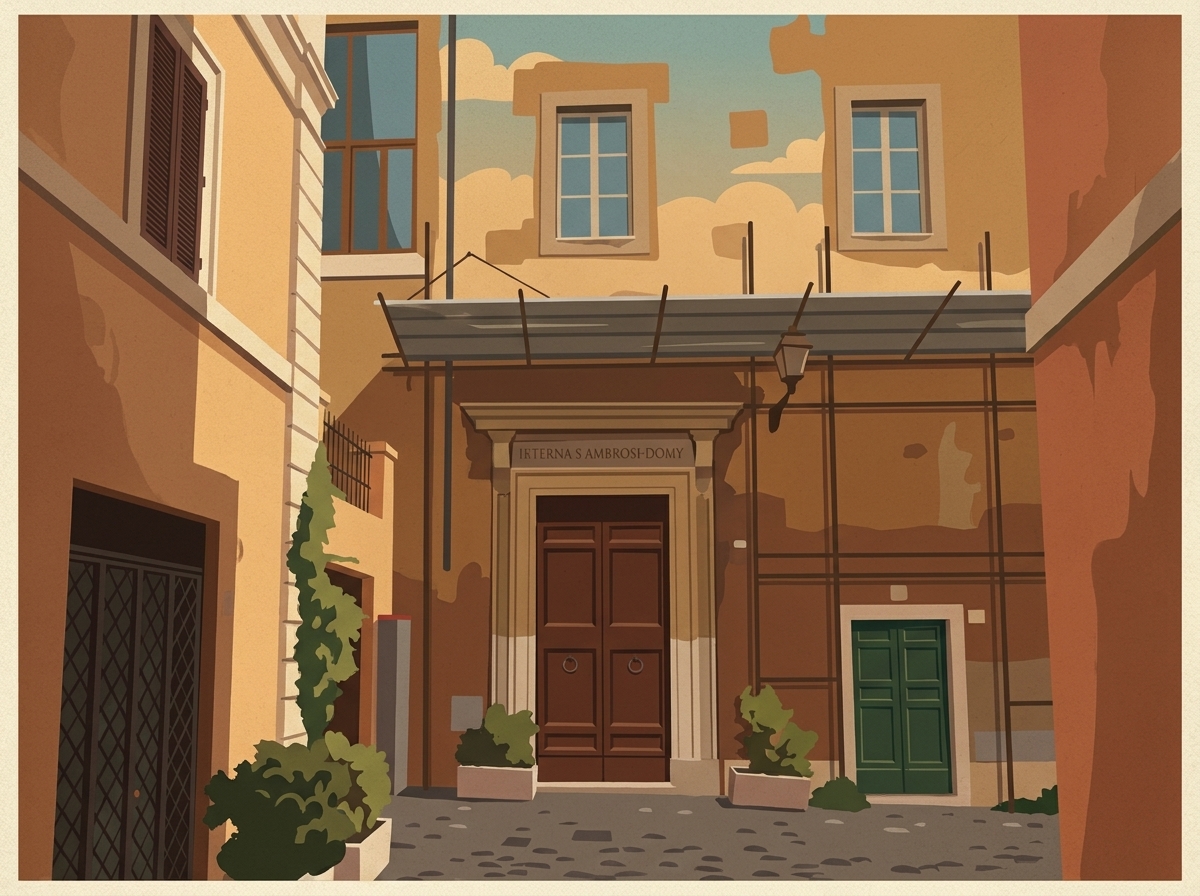
Curia Generalizia della Congregazione Sublacense Cassinese dell'Ordine di San Benedetto
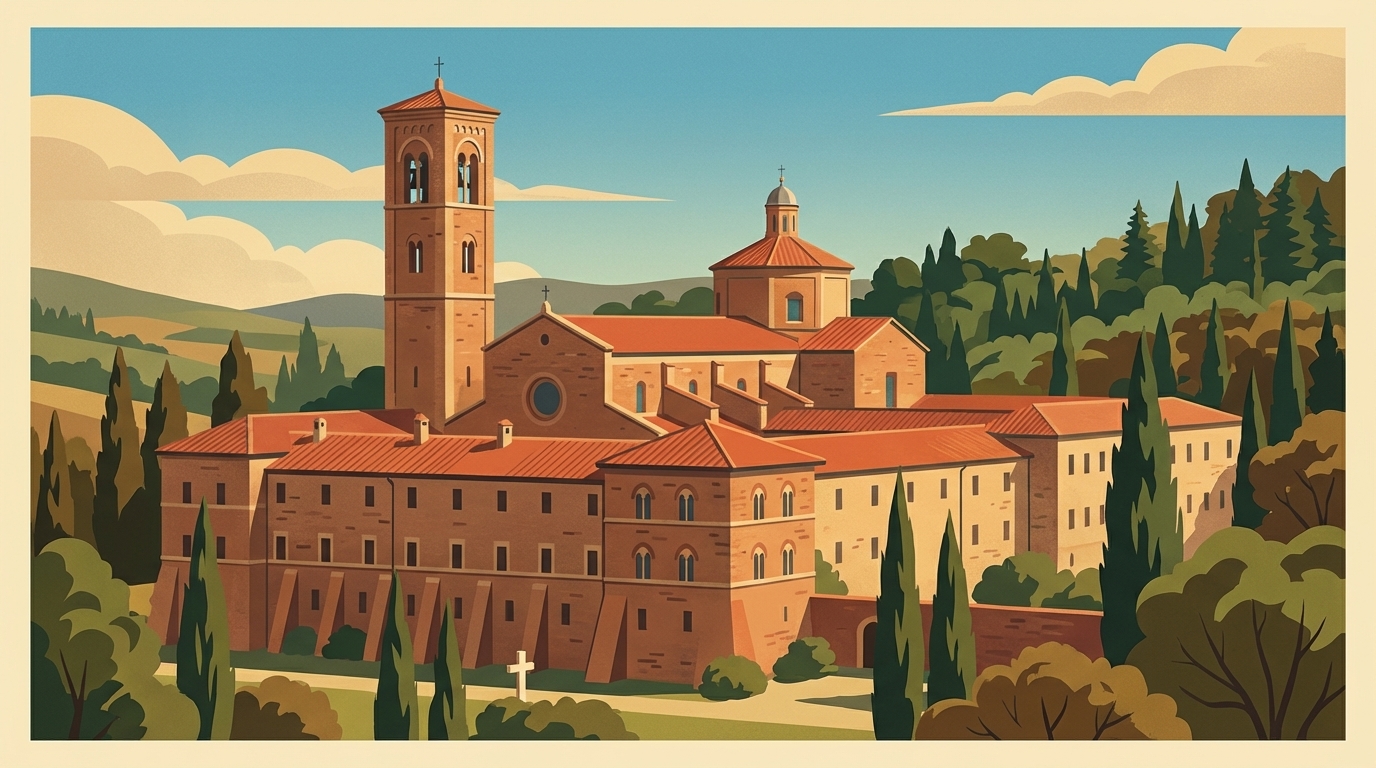
Abbazia Monte Oliveto Maggiore

Monastero Benedettino San Pietro di Sorres

Abbazia di San Benedetto in Monte

Abbazia del Goleto
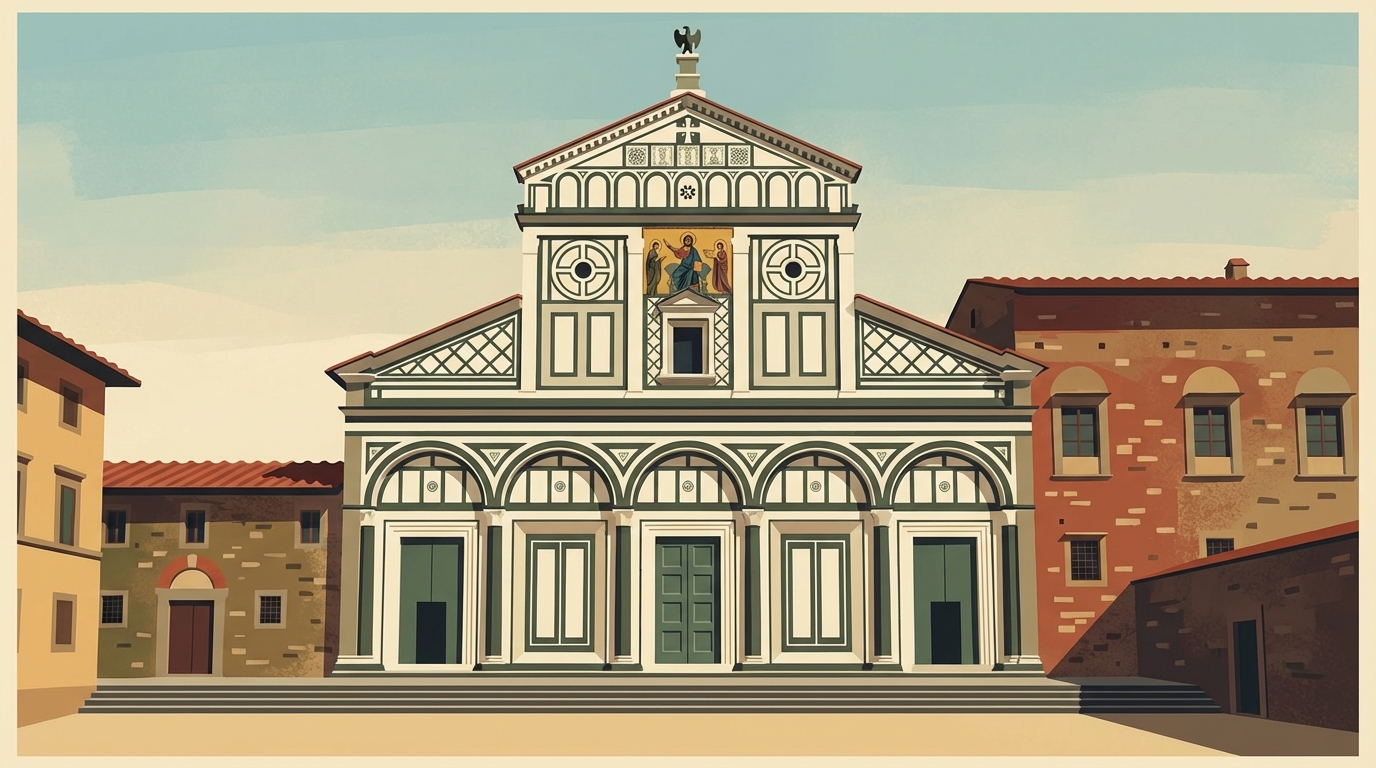
Abbazia San Miniato al Monte

Monastero di S. Prassede

Monastero dei SS. Pietro e Paolo

Abbazia Territoriale di Montecassino

Santuario del Monte della Madonna
Monastero

Monastero di S. Michele

Badia Santa Maria della Neve in Torrechiara

Monastero S. Silvestro Abate

Monastero S. Trinita
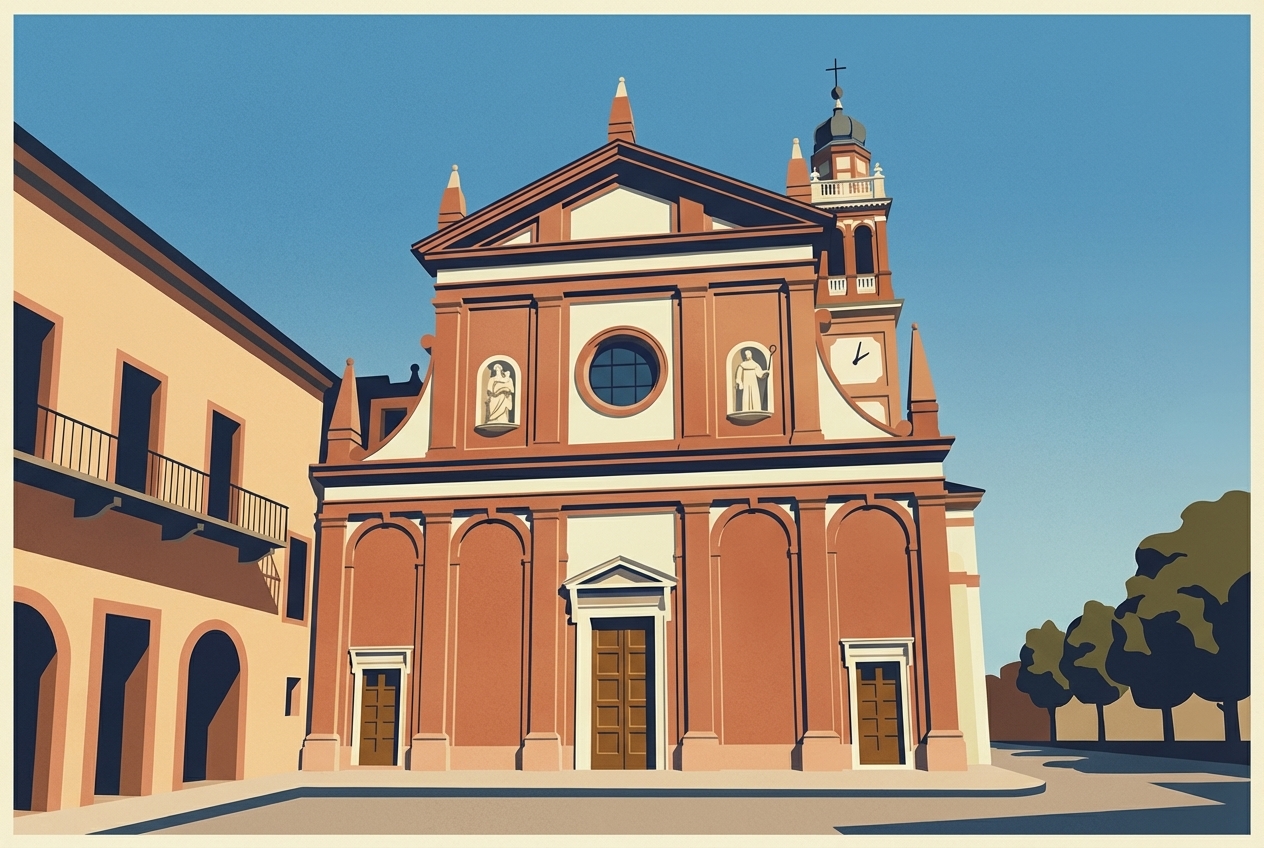
Abbazia S. Maria del Pilastrello

Abbazia SS. Pietro e Andrea

Monastero S. Volto
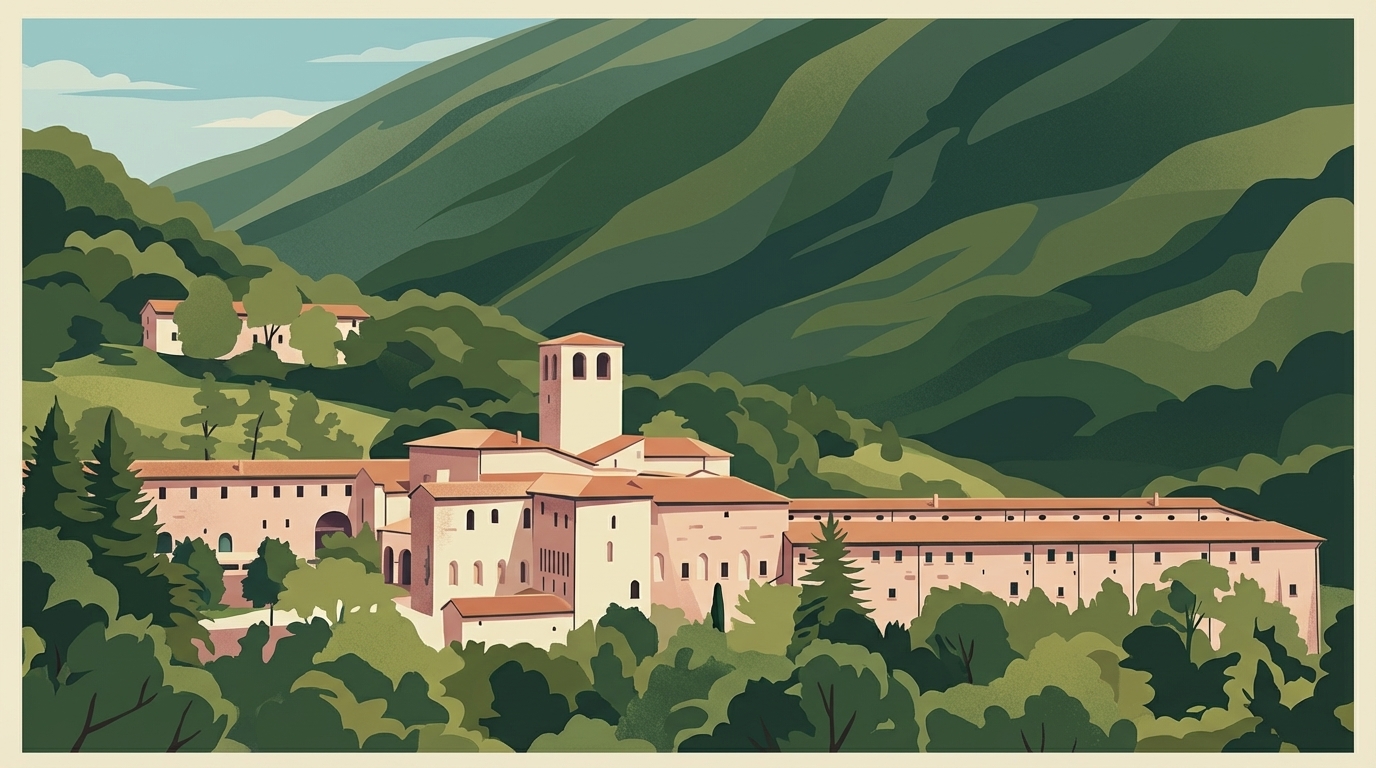
Ven. Eremo di Fonte Avellana

Abbatia di S. Maria - Finalpia
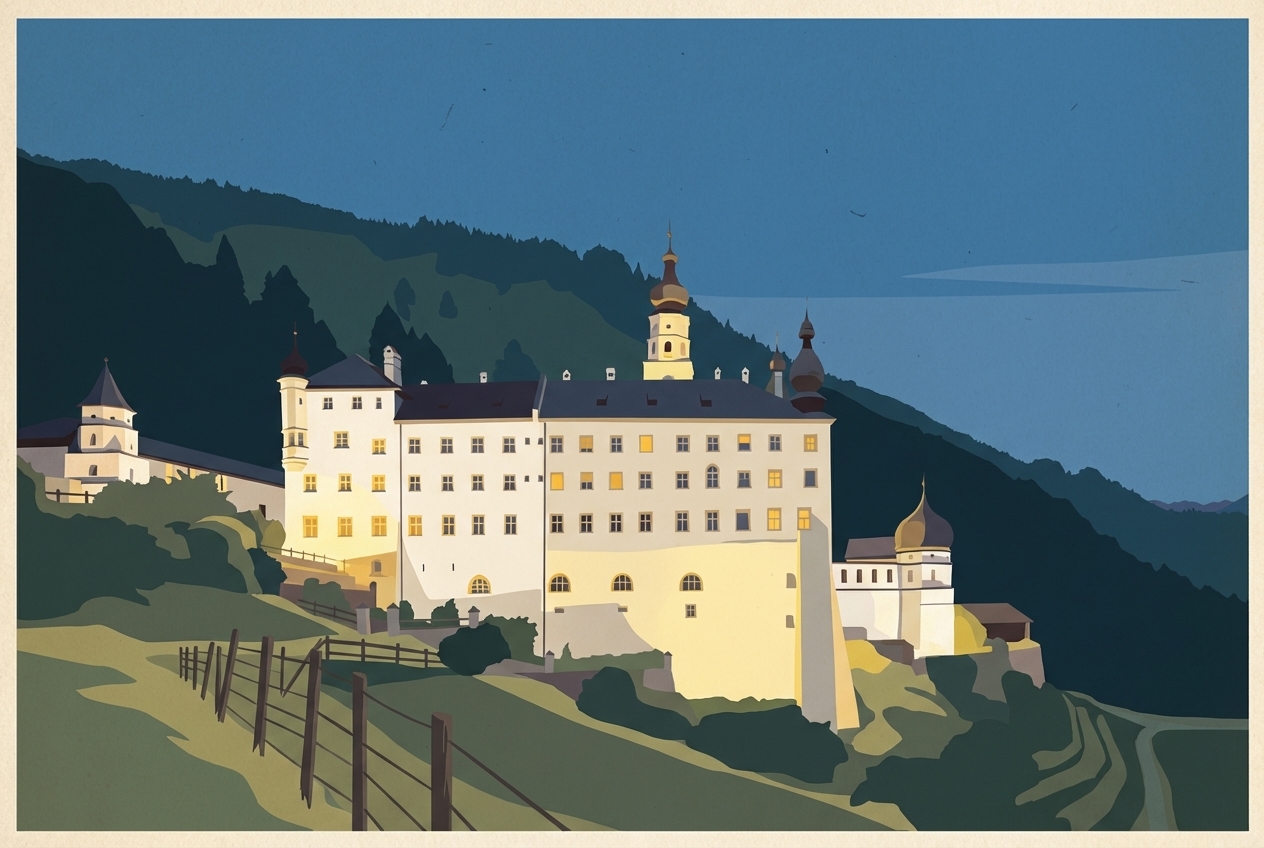
Abtei Marienberg

Monastero dei Ss. Pietro e Paolo

Monastero Santa Maria dei Miracoli

Monastero S. Stefano Protomartire

Badia di Cava
Keep up with the Jubilee!
For the latest news, updates, stories, events, and more, follow us on social media and subscribe to our newsletter.