Sister Dorothy Jean Beyer, OSB, Queen of Angels Monastery, Mount Angel, Oregon USA
August 19, 2026
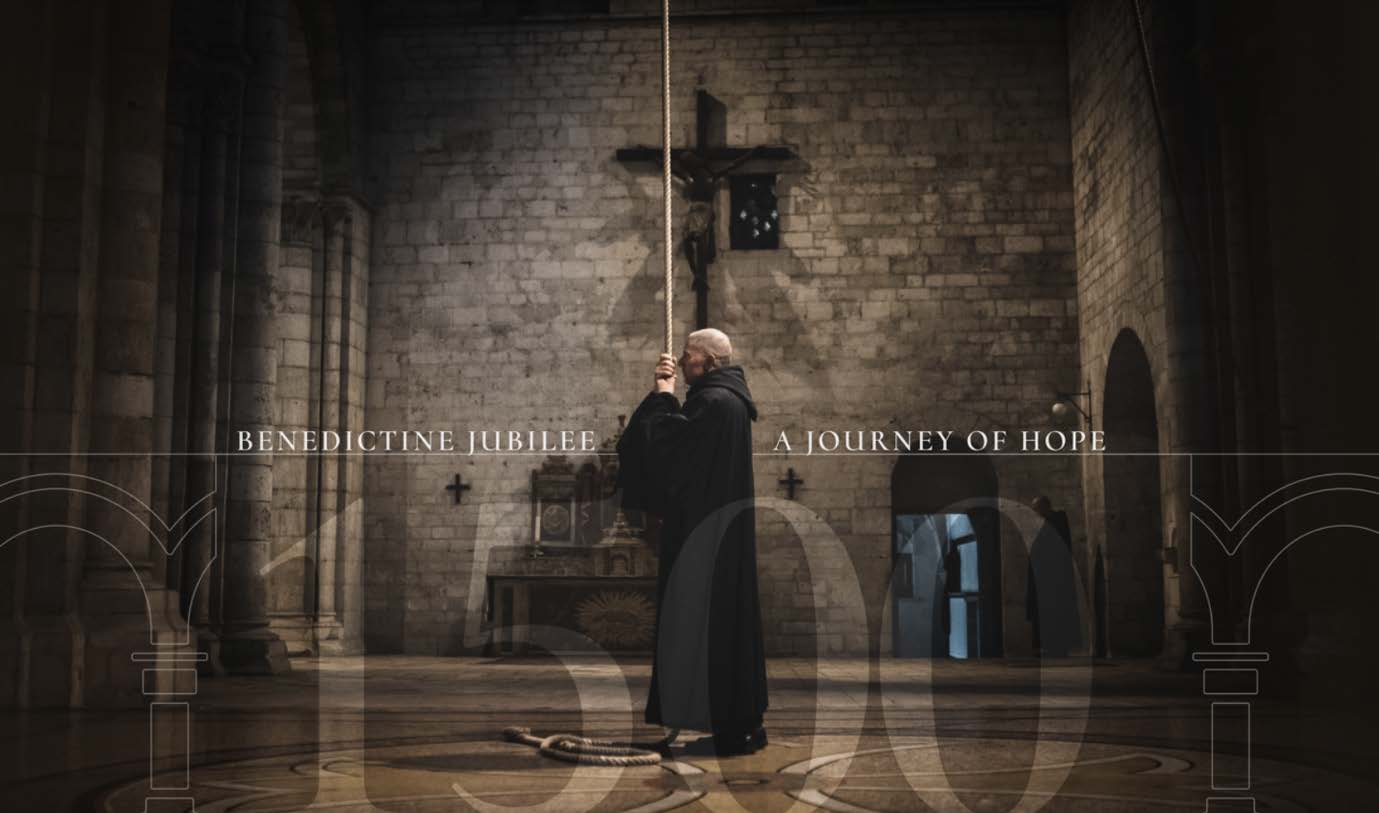
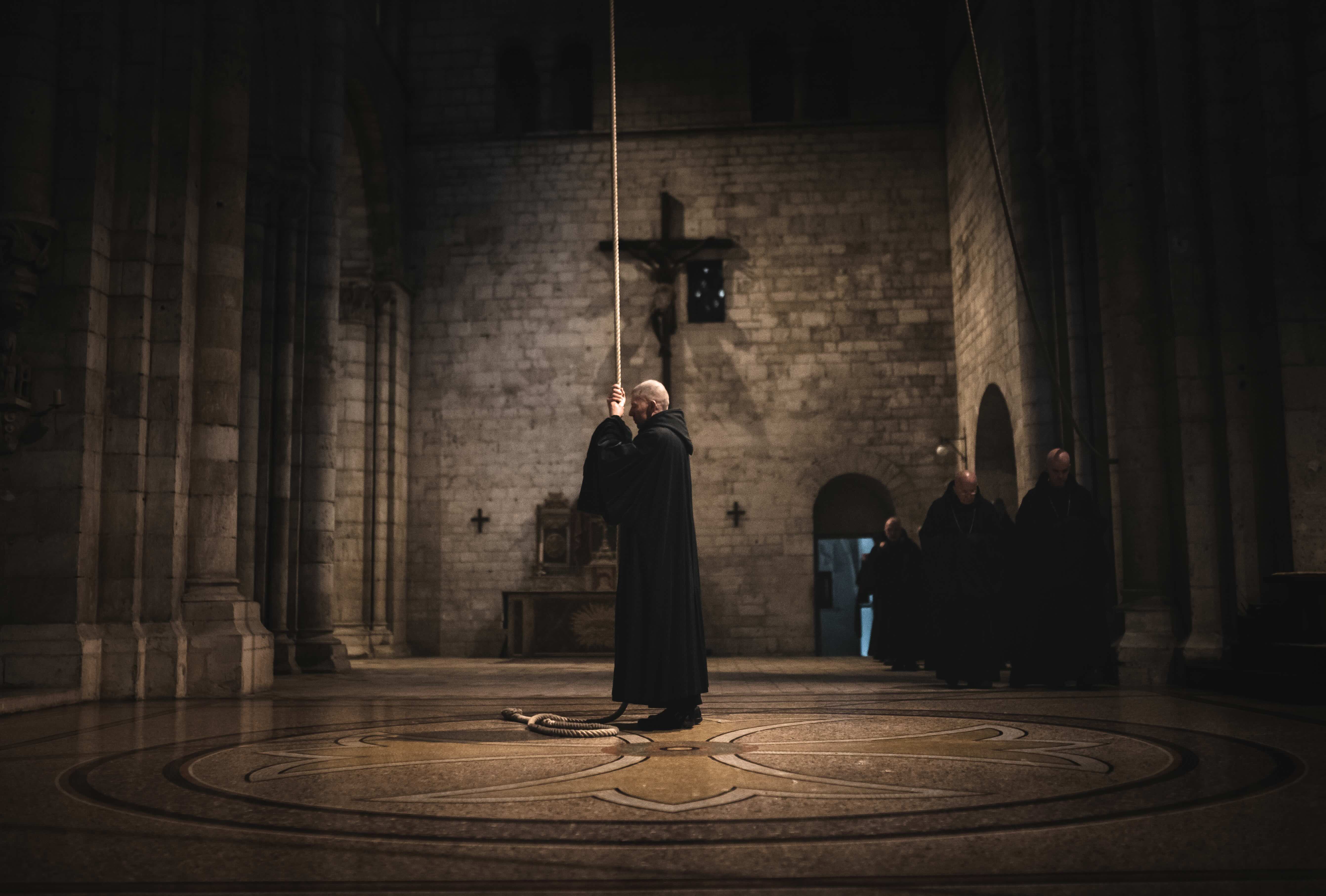
What four rich words – Awaken, Listen, Grow, Flourish - to celebrate the 1500th anniversary of the founding of the Abbey of Montecassino, the “archicenobio”, the mother of all monasteries in the Benedictine order. These are words that can instruct and inspire each of us to live the Benedictine life and values with deeper authenticity and passion. These are words that have changed the course of history through St. Benedict and St. Scholastica. And now with the 4-year Jubilee celebration, the world will be changed again with the world-wide Benedictine order with their many oblates holding close these life-giving “Benedictine words” in their hearts, words and actions.
AWAKEN! Awakening! – The theme for 2026 - Norcia
During the solemn monastic perpetual profession ceremony, the new member hears these words sung to her/him: “O awake, O sleeper, rise from the dead and Christ will shine on you.” (Ephesians 5:14) A most powerful call to spiritual awakening that beckons the newly professed – and us – and encourages all to new life in Christ! This call urges us to step out of the darkness of complacency and sin and invites us to allow the truth and light of Christ to have fuller sway over our daily lives.
Benedict heard this call when he lived in Norcia; his soul awakening to God’s call to prayer, silence, humility and obedience. He answered this call with whole-heartedness and unswerving commitment. With deep love, his sister Scholastica also responded to God’s call to awaken. And their lives were changed forever.
Reflection:
Where is my “Norcia”, my first hearing of the call to awaken to God?
How did my awakening change my life? How did it change the lives of others?
During this first year of the Jubilee celebration, how will I deepen my awakening to God and the needs of the world?
LISTEN! Listening! – The theme for 2027 – Rome
The first word of Benedict’s Rule is “Listen”. It is a word that is basic to the Christian and Benedictine life, listening to God, to our neighbor and to ourselves. It means full body attention to God’s Voice in the everyday now, in prayer and sacred reading, in the voice of our neighbor locally and globally, in the voice of our inner self, our conscience.
Jesus, the forerunner, (Hebrews 6:20), Jesus, the “Perfect Yes” to His Father - always. Jesus is our foremost model of Listening. At the wedding feast of Cana, “when the wine ran out, the mother of Jesus said to him, ‘They have no wine’” And Jesus said to her, “Woman, what does this have to do with me? My hour has not yet come.” His mother said to the servants, “Do whatever he tells you.” (John 2:3-5) “Do whatever he tells you” may be some of the most important words of the Scriptures. These words call us to listen, “listen carefully… with the ear of [our] hearts”. (RB Prologue 1)
The word “Listen” is used 348 times in the Bible according to a google search. Benedict, being a devoted practitioner of Lectio Divina, using the Scriptures and being aware of the word’s importance in one’s relationship to God, self and others, started his Rule with this admonition to LISTEN. Benedict realized that the most important spiritual act he and his followers could do is listen. Benedict knew the heart must be still and open to hear the whisper of God, just like the prophet Elijah. (Kings 19:9a, 11-13a)
In Benedict’s chapter on obedience, he states that “the first step of humility is unhesitating obedience, which comes naturally to those who cherish Christ above all.” Benedict goes on in this chapter 5, “It is love that impels them to pursue everlasting life, …’ And so, it is with us, too, we follow closely in the steps of Jesus and in the example of Benedict and Scholastica.
Benedict, while in Rome, heard God’s voice which moved him from his studies and the corrupt culture of Rome to seek the quiet solitude of the wilderness in a cave in Subiaco. Benedict listened. He responded.
Like Benedict and Scholastica, our hearts, softly and thoroughly tilled with the tools for good works (RB Chapter 4) must be ready to listen and respond unhesitatingly to God’s invitations.
Reflection:
Where is my “Rome” where I changed the direction of my life? Where are my best places to listen to God’s voice?
How does my listening move me to silence, to action, to service – to unhesitating response to God? What are examples in my life?
How has deep listening and attentiveness changed me? How has my deep listening changed the world.
GROW! Growing! - The theme of 2028 – Subiaco
Everything written in the Rule of Benedict is meant for our spiritual and personal growth in Christ Jesus. Just like thirsty plants yearn for water and nutrients, so we yearn for the refreshing Word of God found in creation, Scriptures, Lectio Divina, and the quiet stillness of our day. As we partake of all these life-giving measures, awakening and listening, we grow in wisdom and flourish in God’s love and tender care.
Some scholars of the Holy Rule suggest that one should read the Rule starting from the back with Chapter 73 and ending with the Prologue. That way one can get a clearer picture of the growth in Benedict and the influence Scholastica had on him. Perhaps Scholastica helped Benedict to be a more compassionate leader and a more moderate practitioner in his monastic practices that he required for his followers. So, we see that no one is an exception. Even Benedict had to grow and change! Everyone has room to grow more loving, more patience, less judgmental, less self-centered. We can grow!
Reflection:
How have I grown over the years? What in particular has changed in me?
What companions have helped me in my growth process? How did they help me? How have I helped others to grow?
What Benedictine “tools” have helped me the most? How?
FLOURISH! Flourishing! – The theme of 2029 – Montecassino
We come to our fourth word – Flourish. That is what God wants us to do in our life. God wants us to flourish, to thrive, to bloom and to grow into the image of His Son Jesus. Even the sound of the word “flourish” gives an invitation of freedom to be who God wants us to be. It means we can breathe - and relax - in the nourishing presence of God’s light and love. And yet, there is a discipline required to flourish. The discipline of perseverance, which involves always striving for holiness in the “school for the Lord’s service”. (RB Prologue 44) We are encouraged by these words of Benedict: “as we progress in this way of life and in faith, we shall run on the path of God’s commandments, our hearts overflowing with the inexpressible delight of love”. (Prologue 49) To flourish means that our hearts, our souls and minds are overflowing in love. What a beautiful and meaningful experience this is!
In the last paragraph of Benedict’s Rule, we find these inviting words to flourish:
“Are you hastening toward your heavenly home? Then with Christ’s help, keep this little rule that we have written for beginners. After that, you can set out for the loftier summits of the teachings and virtues we mentioned above, and under God’s protection you will reach them. Amen.” (RB 73:8-9)
Reflection:
When did you feel that you were flourishing and thriving? Describe the moment(s).
How have you helped someone(s) to flourish and grow?
What are your next steps to flourish in the “school of the Lord’s service?”
What are the “knots” in your life that need undoing to grow and thrive?