What does the first year of the Jubilee look like in a Benedictine community embedded in one of the most religiously diverse cultures in the world?
In India, Christians are a small minority: 2.3% of the population in the latest published national census figures, compared with 79.8% Hindu and 14.2% Muslim. In Tamil Nadu, in the south of the country, Christians make up around 5.9%. And it’s here, on the banks of the River Kaveri around 200km southwest of Chennai, that we find Shantivanam (the “Forest of Peace”) home to Saccidananda Ashram, a Camaldolese Benedictine community.
The name itself offers a way into understanding their community. An ashram is not an Indian name for a Western-style abbey, but belongs to India’s own long tradition of communities centred on spiritual discipline, contemplation and the search for God. Saccidananda (meaning Being, Consciousness and Bliss) is a Sanskrit expression from Hindu thought which the community’s founders adopted as a way of speaking about the Christian mystery of the Trinity.
Founded in 1950 and part of the Camaldolese Benedictine Congregation since 1980, Shantivanam seeks to live Christian monastic life deeply within its Indian context while remaining rooted in the Rule of St Benedict. Its prayer draws on Scripture and the Christian liturgy while incorporating Indian languages, music and forms of prayer.
That spirit of encounter profoundly influences its life of outreach and understanding of community: Shantivanam welcomes Christians, Hindus and people of other faiths or none for retreat, meditation and dialogue. Beyond the life of prayer, the community supports children’s education, provides medical and housing assistance, cares for elderly and destitute neighbours, and works the land through organic farming, dairy farming, tree planting and composting.
So when the Jubilee invited Benedictine communities around the world to Awaken, Shantivanam responded from the particular reality of its own place: at the meeting point of Benedictine monasticism, Indian spirituality, practical service and life among different religious traditions.
Awakening to one another
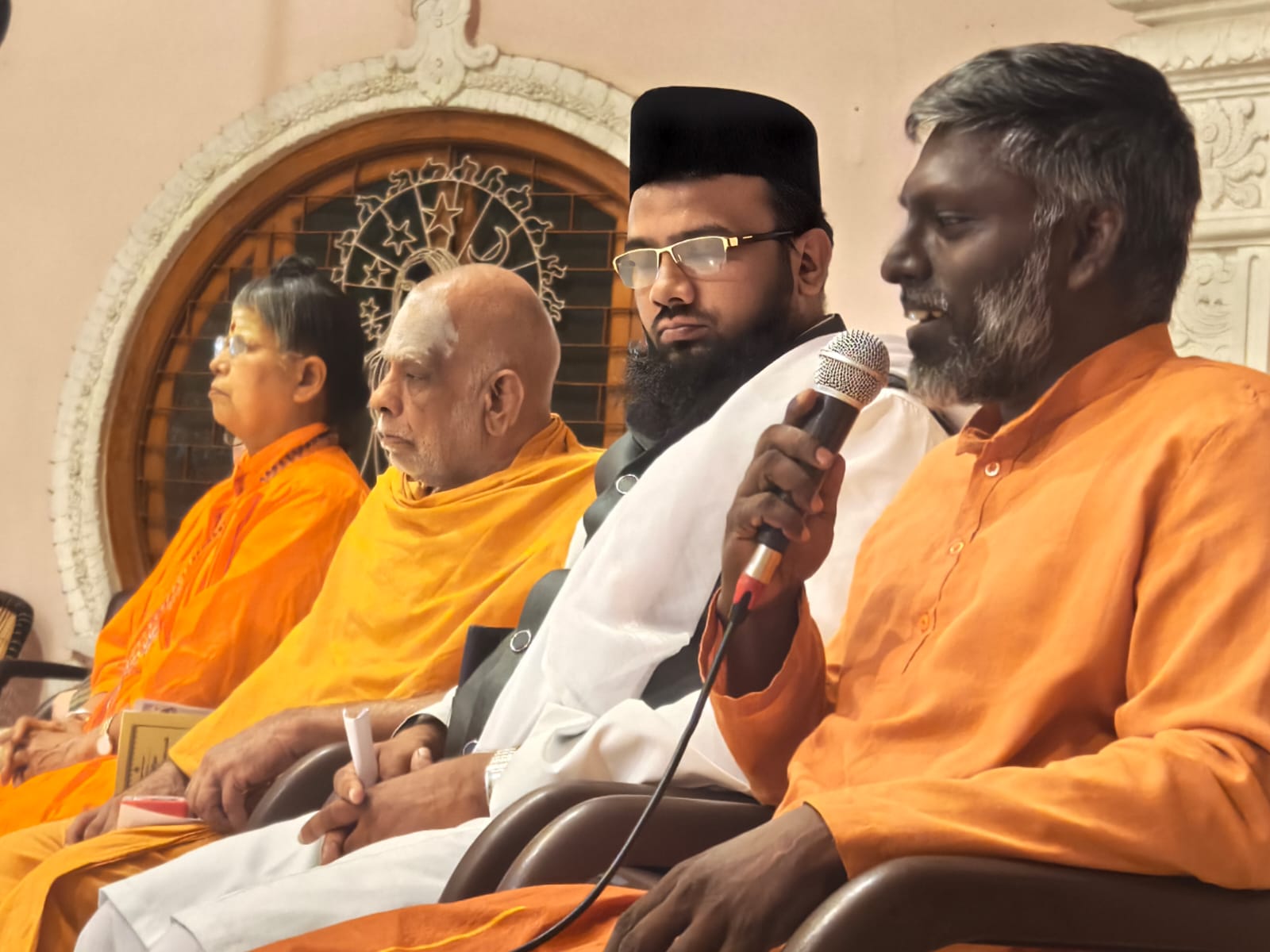
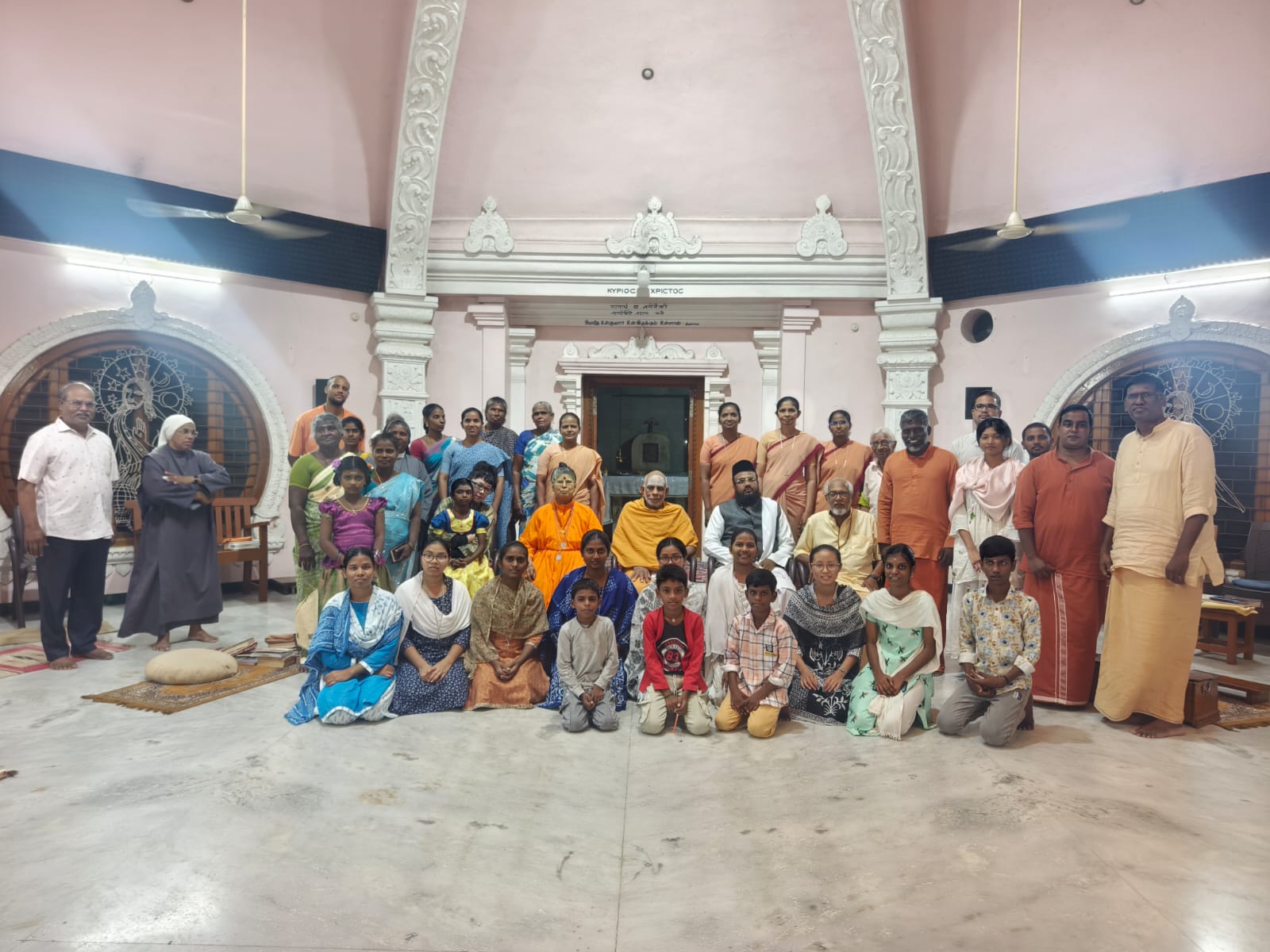
In July, the community held a two-day seminar on The Awakening of Unity and Religious Harmony, bringing people together through presentations, prayer, dialogue and reflection.
For Shantivanam, religious harmony begins with something interior. As the community explained in its Jubilee programme:
“When we move beyond fear, prejudice and religious exclusivism, we become capable of recognising the presence of God’s mystery in the spiritual journey of others.”
Interreligious dialogue is not an occasional initiative here. Shantivanam understands itself as a meeting place, regularly engaging with Hindu, Christian, Muslim, Jain and other spiritual traditions.
Its hope for the July gathering was correspondingly ambitious but simple: to move “from division into communion and from religious competition into mutual enrichment.”
Awakening to peace
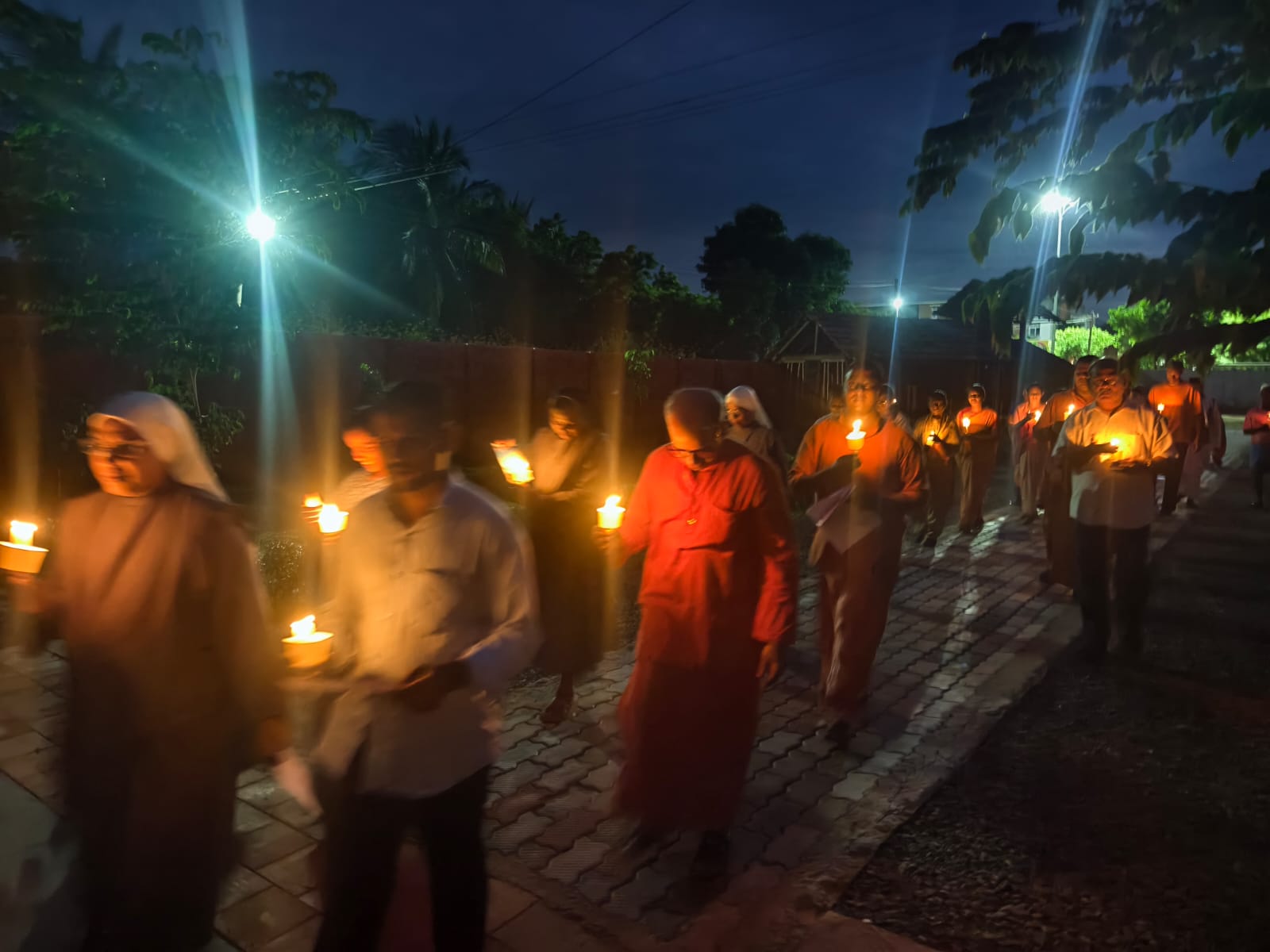
On 21 September, the International Day of Peace, this commitment became a public witness.
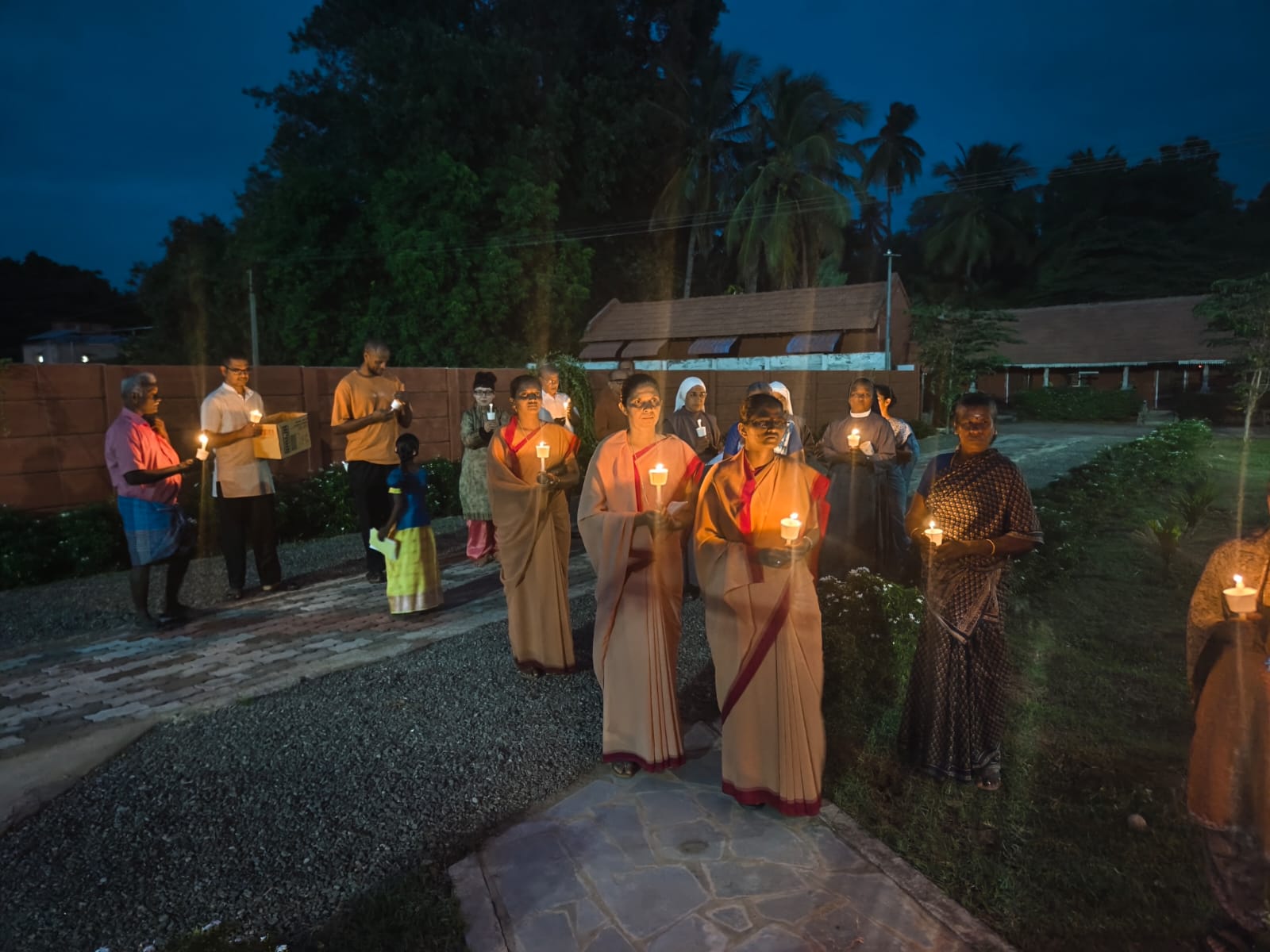
People from different religious backgrounds gathered for interreligious prayer and walked together in a candlelit procession for world peace. The candlelight represented a conviction at the heart of the event: peace must first be awakened within the human person before it can spread into families, communities and societies.
As the organisers put it:
“Peace is not merely the absence of conflict; it is an interior disposition rooted in compassion, forgiveness, reconciliation and respect for the dignity of every human person.”
The gathering offered a simple demonstration of what that might look like: people of different religions walking together as “pilgrims of peace.”
Awakening to creation
In October, Awaken turns towards the earth.
A three-day programme on contemporary ecological challenges will bring together spirituality and practical responsibility for creation: connecting the Camaldolese Benedictine traditions of simplicity, contemplation and stewardship with the environmental crisis.
Its starting point is equally clear:
“Creation is not simply a resource to be used, but a sacred gift entrusted to humanity.”
Through presentations, dialogue and practical reflection, the community will consider how monasteries and other spiritual communities might become centres of ecological awareness, sustainable living and care for our common home.
That concern already has a practical expression at Shantivanam through organic farming, tree planting, composting and the community’s wider relationship with the land.
Awakening the heart
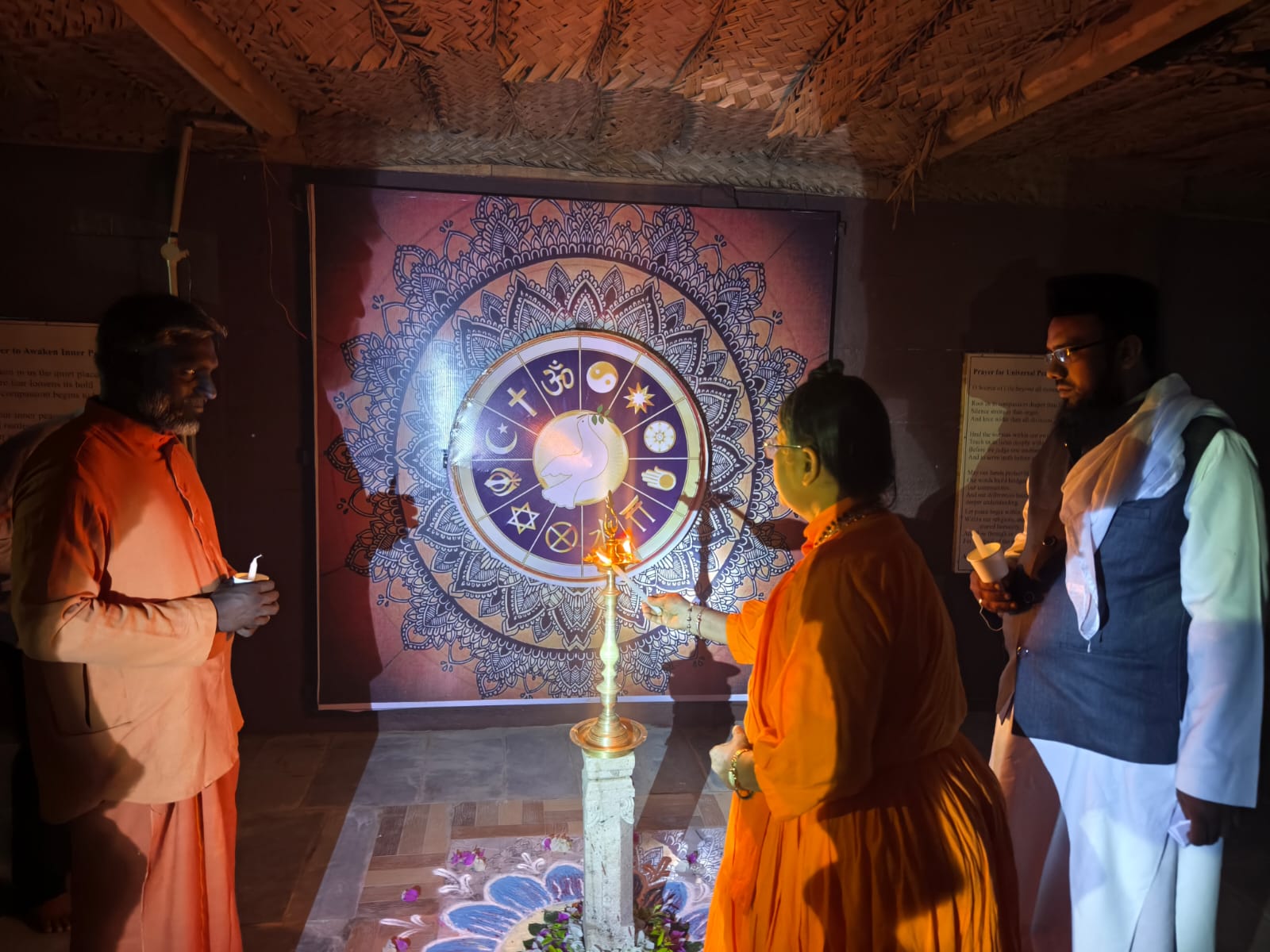
Alongside these gatherings, Fr Dorathick Rajan, OSB Cam, is preparing a new publication, The Universal Heart: A Guidebook to Awakening the Divine Within.
Drawing on Christian contemplative spirituality and engagement with other spiritual traditions, the book brings together prayer, silence, compassion, creation and the recognition of God’s presence.
Together, these initiatives reveal what Awaken means at Shantivanam. It is not simply intellectual awareness. In the community’s own words, it is a “transformation of the heart”: becoming more attentive to God, more sensitive to the dignity of others, more committed to peace and more responsible for the earth entrusted to us.
It is also a striking glimpse of what a truly global Benedictine Jubilee can become.
The Rule remains the same. But in each place it encounters different histories, cultures, neighbours and needs - and calls forth a particular response.
At Shantivanam, the Forest of Peace, that response is an awakening from division towards communion, from conflict towards peace, and from exploitation towards reverence for creation.
Discover a new Highlight of Hope each month, sharing how Benedictine life is being lived in communities around the world. Subscribe to our monthly newsletter and journey with us from one place of hope to the next!
.png)