

The Beginning
Benedict was born around 480 in Norcia, a small town in the mountains of central Italy. Sent to Rome as a young man for his education, he was troubled by what he found there and withdrew to live as a hermit in a cave at Subiaco. Others gradually gathered around him, drawn by the simplicity and seriousness of his life.
Around 529, he moved south and established a community on the hilltop of Monte Cassino. There he wrote the Rule that would shape monastic life for the next millennium and beyond. It was a short, practical document, rooted in Scripture and remarkably humane in its expectations. It said nothing about grand ambitions. It spoke of listening, of humility, of how to live together under God.
That same year, the Emperor Justinian closed the Platonic Academy in Athens, an institution nearly a thousand years old. One chapter of Western learning was ending. Another, quieter one was just beginning.
Keepers of the Light
The world into which Benedictine life was born was one of extraordinary turbulence. The Roman Empire in the West had collapsed. Germanic tribes were reshaping the political map of Europe. Violence and instability were widespread.
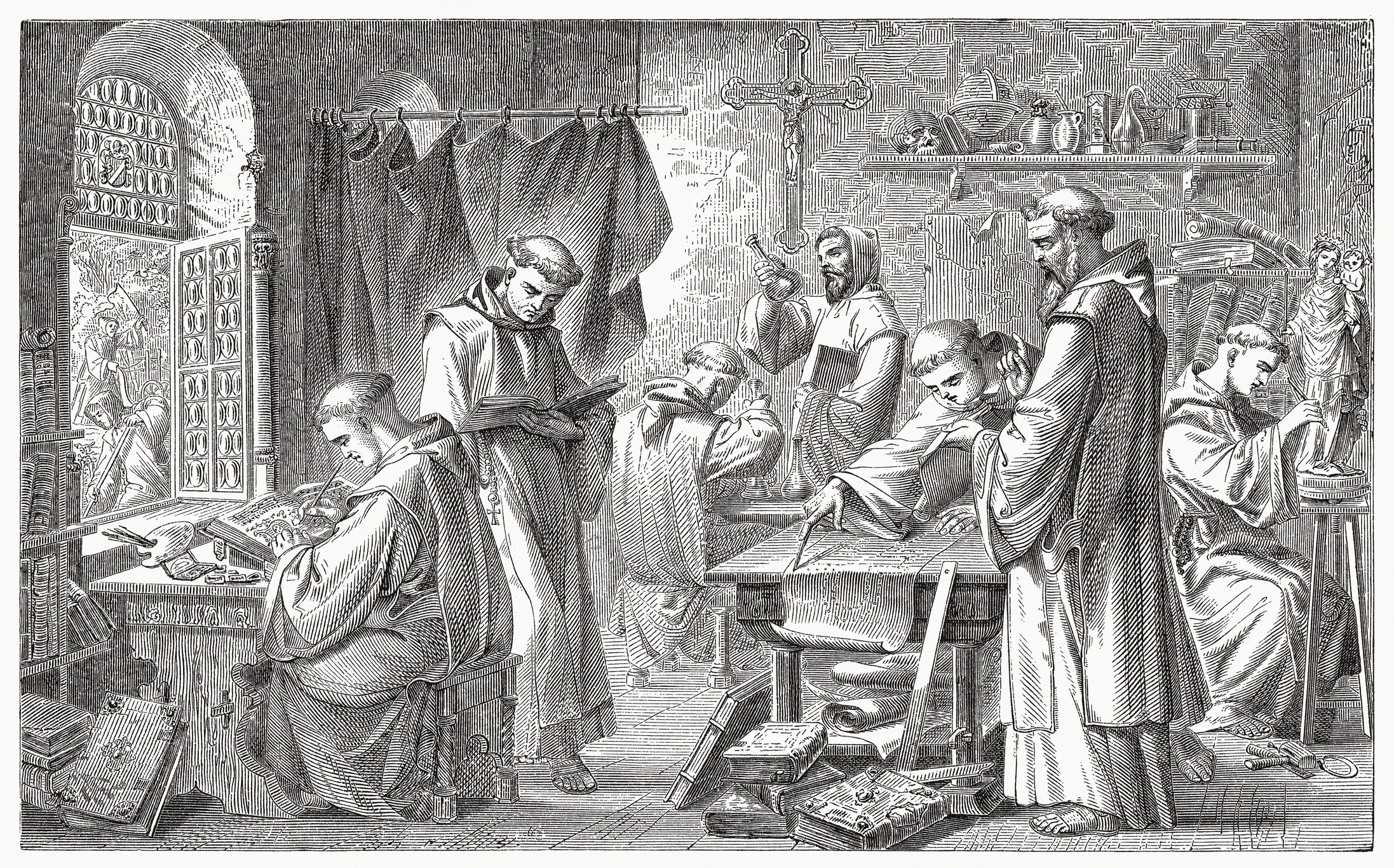
In the middle of this upheaval, monasteries became something remarkable. They were places of stability when everything around them was in flux. They preserved and copied manuscripts, keeping alive the learning of the ancient world. They became centres of agriculture, education, and care for the poor. They developed new ways of organising knowledge that would eventually pass to the cathedral schools and then to the first universities.
None of this was part of a grand strategy. It grew from the simple daily pattern Benedict had laid down: prayer, work, reading, community. But its effects reshaped the culture of an entire continent.
Roots of a Civilisation
By the high Middle Ages, Benedictine monasteries were among the most important institutions in European life. They were centres of worship, learning, and hospitality. But their influence ran deeper than that.
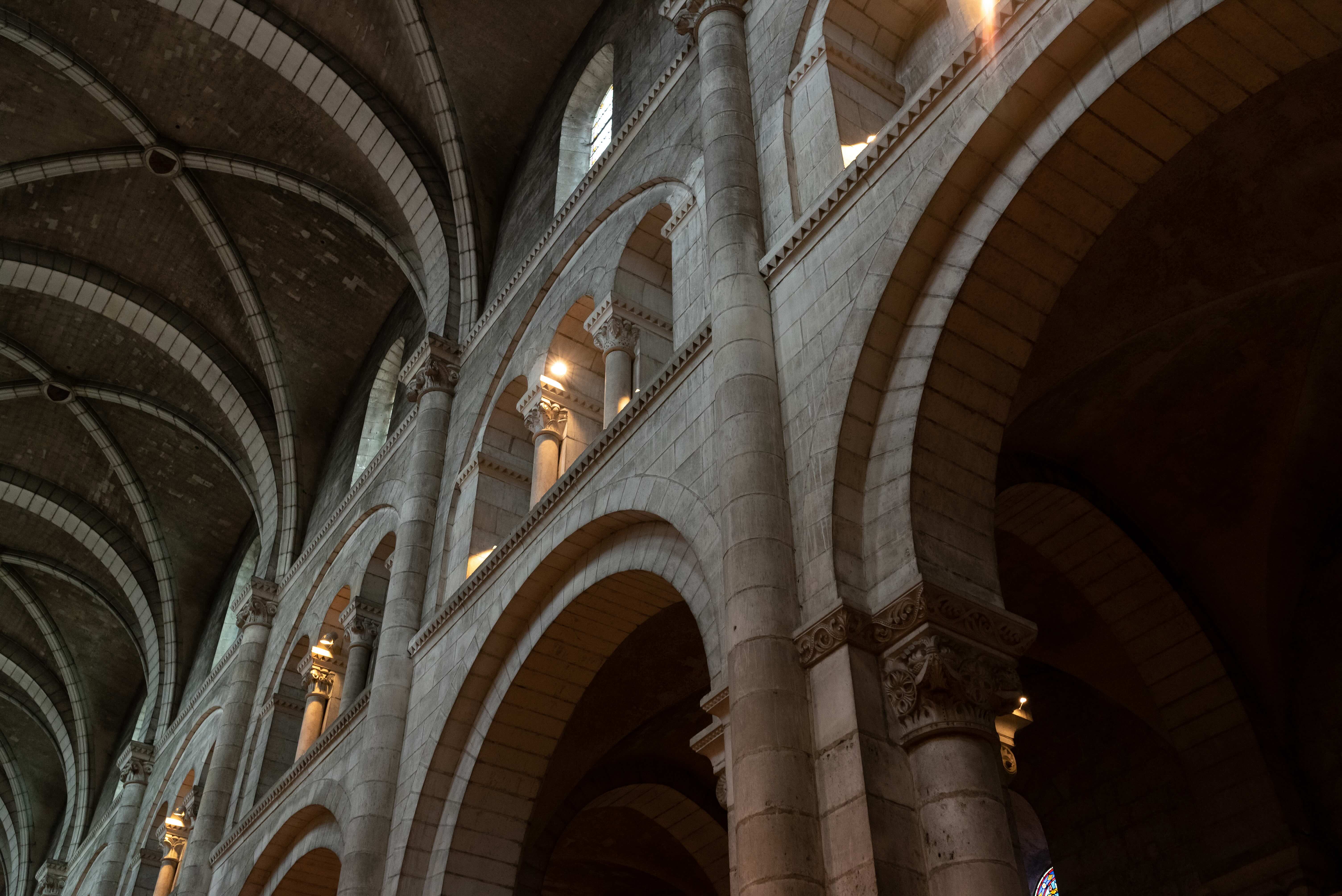
The way monasteries governed themselves left a lasting mark on political thought. The Rule of St Benedict insisted that the abbot must consult his community before making major decisions. He was bound by the Rule itself, not free to act as he pleased. This idea, that leaders are subject to law and accountable to those they serve, moved from chapter houses to cathedral chapters, from cathedral chapters to the governance of cities. Historians have traced a direct line from these monastic practices to the principles underlying Western democracy.
In England, the coronation of King Edgar in 973 was shaped by a Benedictine bishop, and the order of service created for that occasion has endured, almost unchanged, for over a thousand years. The coronation of King Charles III in 2023 followed the same rite.
Sucisa Virescit
The history of Benedictine life is not a story of unbroken success. It is a story of repeated destruction and unexpected renewal.
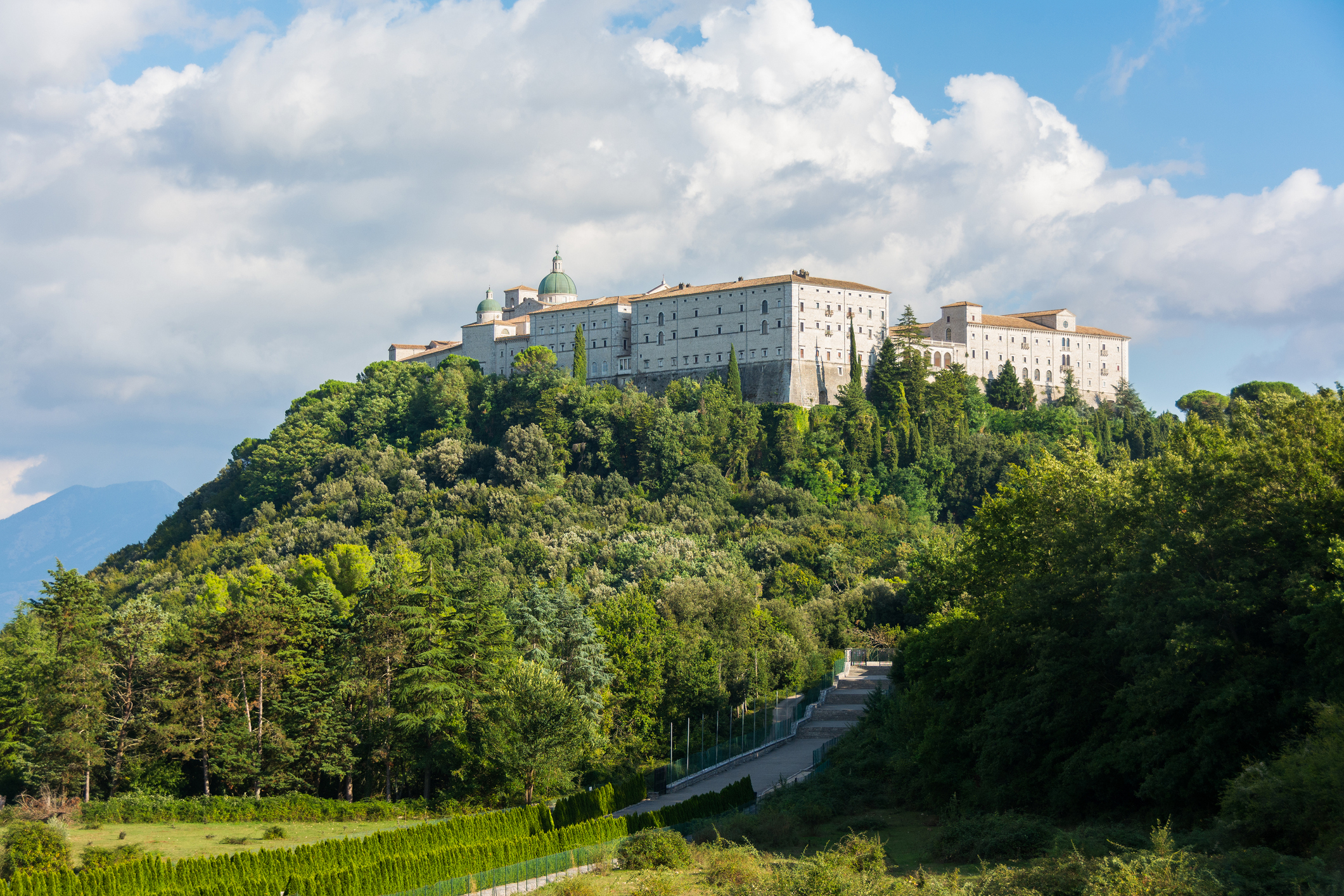
Monte Cassino itself has been destroyed at least four times: by the Lombards in 577, by the Saracens in 883, by an earthquake in 1349, and by Allied bombing in 1944. Each time, the community returned. Each time, what was rebuilt was not simply a copy of what came before, but something shaped by a new generation and a new moment.
The same pattern has repeated across the wider Benedictine world. The Reformation closed monasteries across northern Europe. The French Revolution suppressed them in France. By the early nineteenth century, Benedictine life in much of Europe appeared to be finished.
And then it came back. Not from the remnants that had survived, but from seeds embedded in the memory of the Church. Secular priests, inspired by what they had read, founded new communities. The revival of the nineteenth century was creative and energetic, and it produced a wave of missionary expansion that would carry Benedictine life to every continent.
The motto of Monte Cassino says it simply: Sucisa virescit. What is cut down grows again.
A Global Family
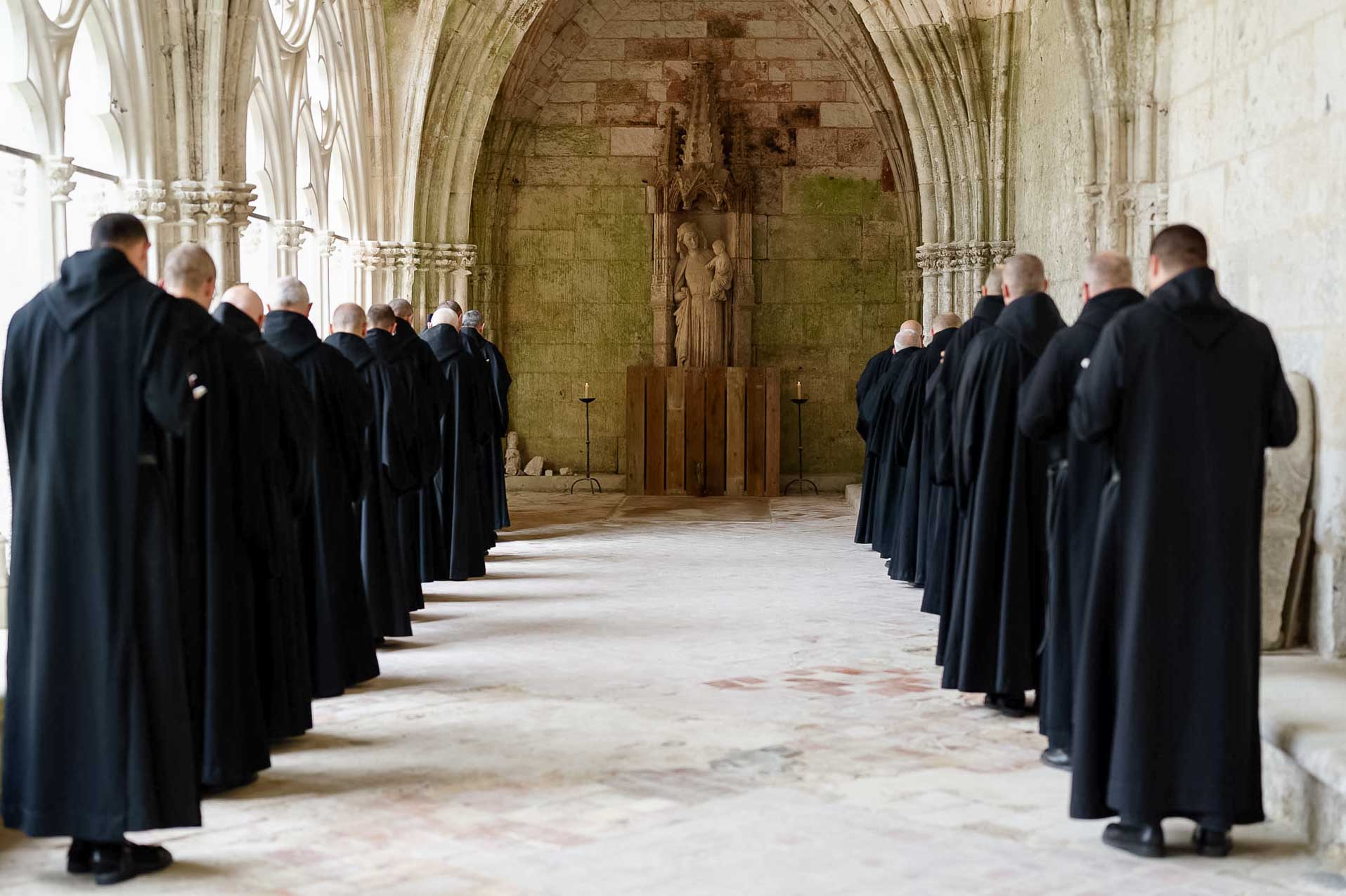
The Benedictine expansion of the nineteenth and twentieth centuries changed the character of the order. Monks and nuns from Europe established foundations in Africa, Asia, the Americas, and Oceania. In many places, these communities took root in ways their founders could not have predicted, adapting the Benedictine tradition to new cultures, new languages, and new forms of worship.
Today there are Benedictine communities in over fifty countries. In Senegal, monks sing the psalms with instruments drawn from local tradition. In South Korea, communities that began as European foundations have become thoroughly Korean. In Latin America, monasteries serve some of the poorest communities on the continent. The diversity is vast, and it is held together not by a centralised authority, but by a shared commitment to the Rule and to one another.
In 1964, Pope Paul VI named St Benedict the patron saint of Europe, recognising the order's role in shaping the continent's spiritual and cultural life. But the Benedictine story had already outgrown Europe. It belongs to the whole Church, and increasingly, to the whole world.
The Next Chapter
The Benedictine Jubilee is an invitation to look at this history and ask what it means for us now. Not as an exercise in nostalgia, but as a way of understanding what has been given, what is being asked, and what might yet grow from the roots that remain. Fifteen centuries is not the end of the story. It is a milestone on a road that is still being walked.